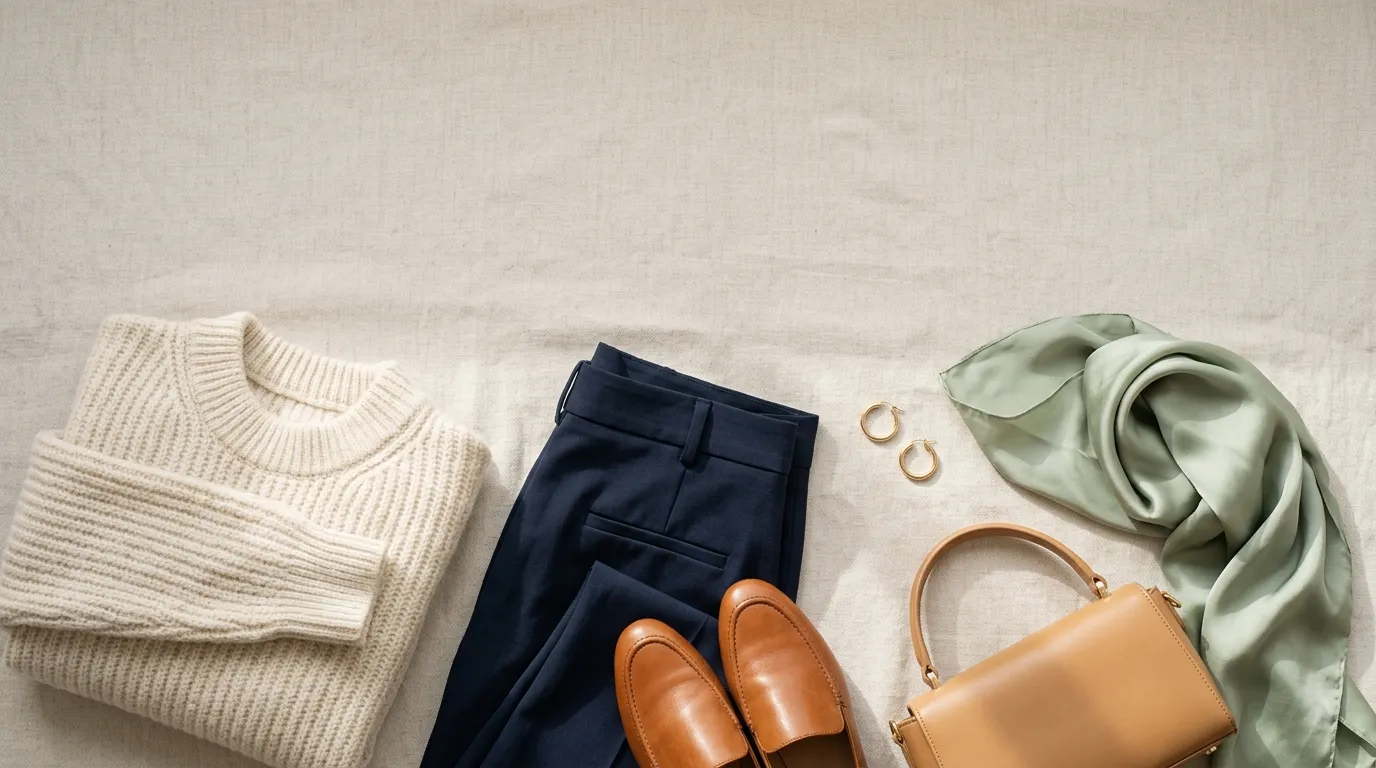

How to Dress Classy Every Day for Women Over 40 — You open the closet on a Tuesday morning, full of clothes, and nothing feels polished. Everything is fine on its own, but together it looks a little random, and you end up in the same tired outfit again.
If you have ever wondered how to dress classy without buying a whole new wardrobe, here is the good news: it comes from a few repeatable habits, not from a bigger closet. Color, fabric, fit, proportion, shoes, and one finishing touch do most of the work.
I have kept these six rules practical and honest, including what each one asks of you and when it is not worth the effort. Pick the ones that fit your life and start there.
1. Build Around a Quiet Color Palette
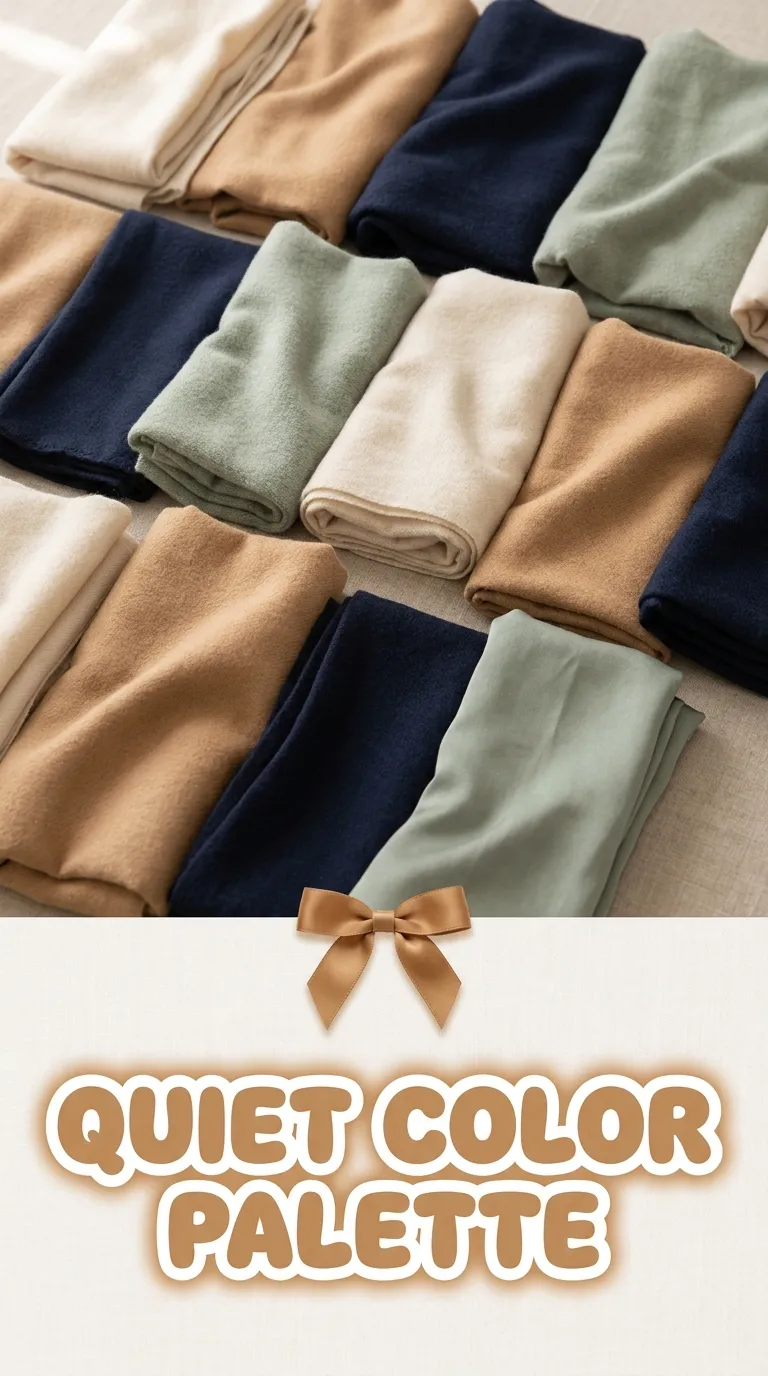
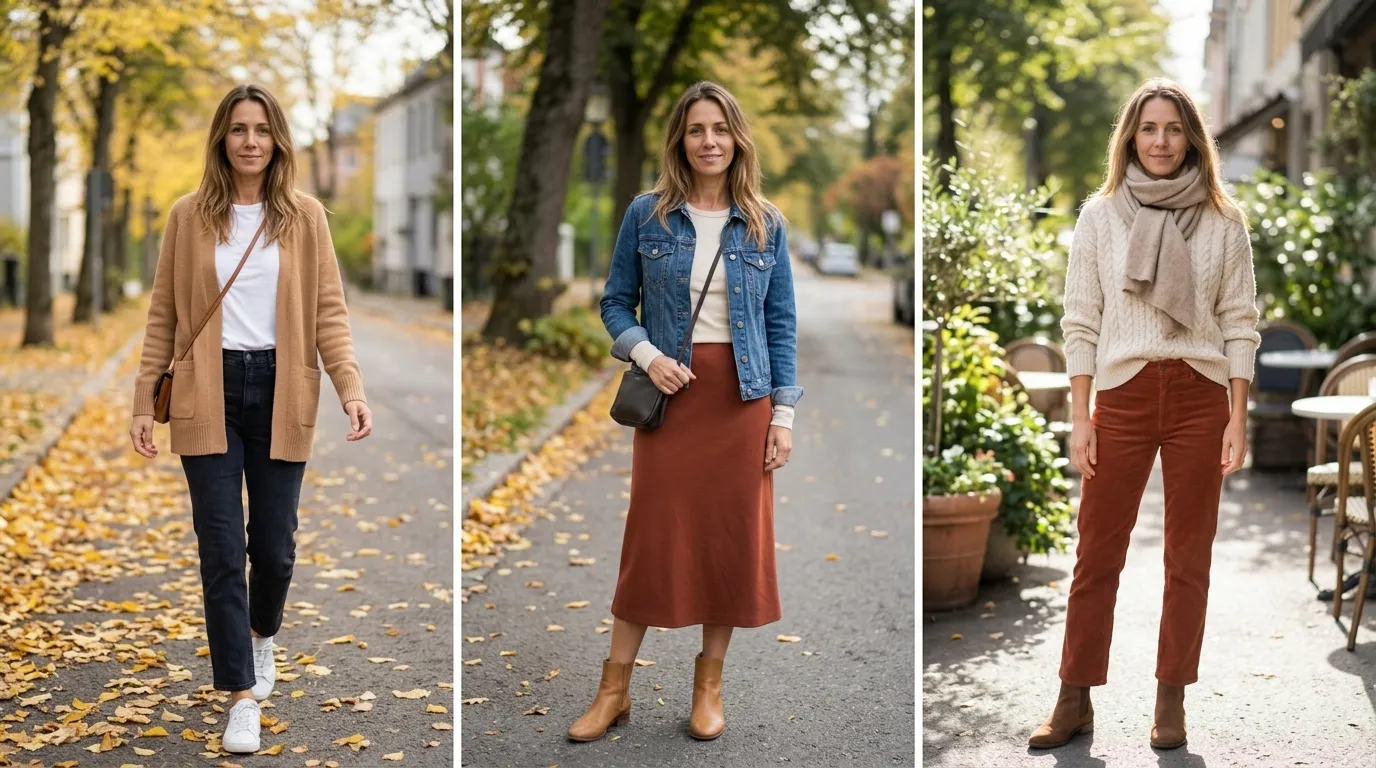
Classy outfits usually look planned, and color is the fastest way to get there. Two or three base colors plus one or two accents means almost everything you own works together.
This does not mean beige forever. It means choosing colors you like on you and repeating them, so getting dressed takes less thought.
How to Do It
- Pick two base colors you wear most, such as navy and cream, or charcoal and white
- Add one warm or soft neutral, such as camel or taupe
- Choose one or two accent colors you enjoy near your face
- Try bolder colors in small pieces first, like a scarf or a top, before committing to a coat
Why It Works
When pieces share a palette, they mix and match without effort, and outfits look coordinated even when the items were bought years apart. Matching tones from top to bottom also create a longer, calmer line.
The trade-off is a one-time closet edit. You may need to set aside a few pieces that clash with everything else.
What to Look For
Use this table as a starting point, then swap in the colors that suit you best.
| Color Family | Wear It As | Pairs Well With |
|---|---|---|
| Navy or charcoal | Base for trousers and blazers | Cream, white, camel |
| Cream or ivory | Tops, knits, light layers | Navy, olive, taupe |
| Camel or taupe | Coats, bags, shoes | Navy, black, white |
| Sage, burgundy, soft blue | Accent tops and scarves | Cream, gray, navy |
Hold a color near your face in daylight before you buy. If your skin looks tired next to it, use it lower down, in trousers or shoes.
Common Mistakes to Avoid
- Buying a color only because it is trending
- Wearing head-to-toe black with no lighter piece near the face
- Mixing three or four accent colors in one outfit
Best For
- Building a work capsule
- Packing for travel
- Closets that feel scattered
2. Choose Fabrics That Look Polished and Hold Their Shape
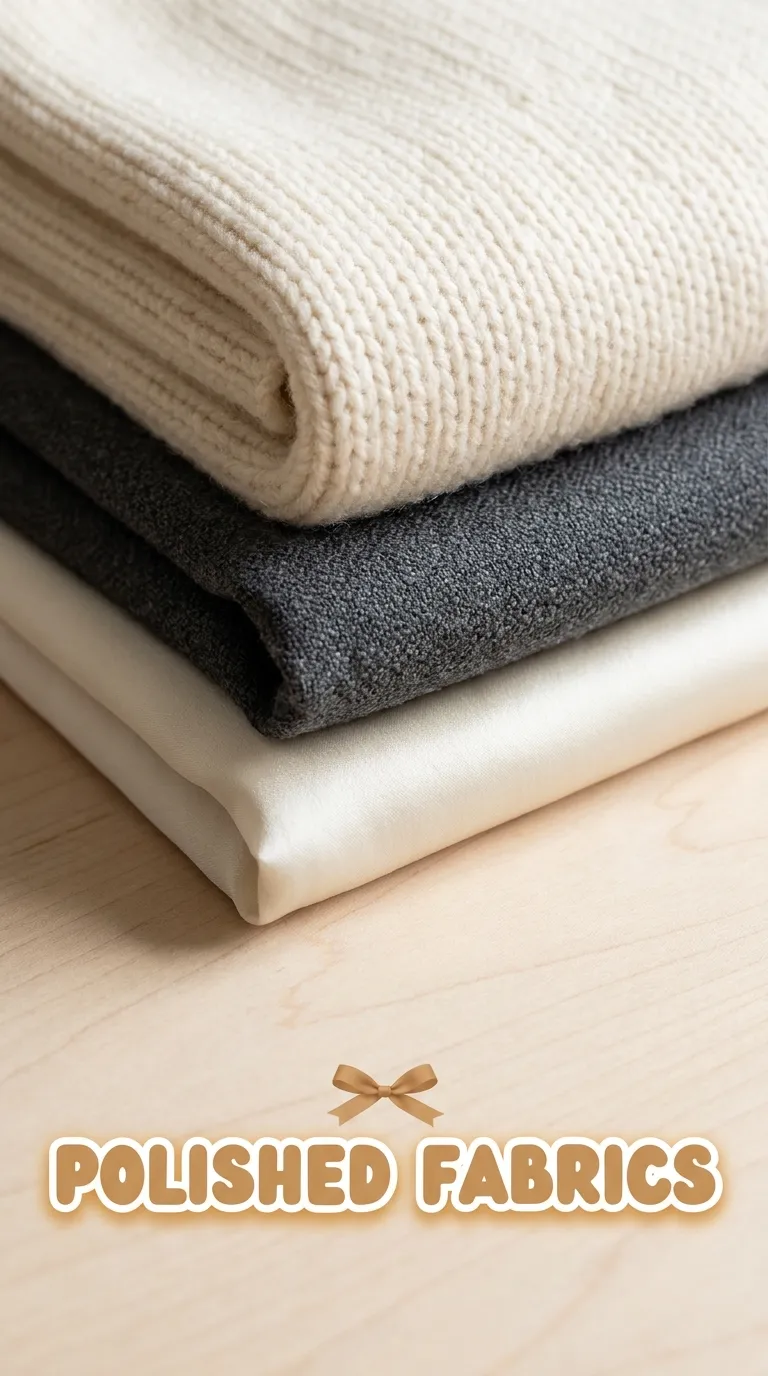
Two outfits can have the same shape and look completely different because of fabric. Classy usually reads as smooth, structured, and well pressed.
This is not about spending more. A budget-friendly piece in a good fabric can look better than a pricey one that pills after a few wears.
How to Do It
- Hold the fabric up to the light to check that it is not see-through or paper-thin
- Scrunch a corner for a few seconds and see whether it springs back
- Look at the surface: a tight, even weave or knit looks smoother than a loose, fuzzy one
- Read the care label and be honest about whether you will actually follow it
Why It Works
Fabric with some weight drapes instead of clinging, and a smooth surface reflects light evenly, so the whole outfit looks cleaner. Pieces that keep their shape also look the same on day ten as on day one.
The trade-off is upkeep. Polished fabrics often need steaming, gentle washing, or dry cleaning, so choose a few you are willing to care for.
What to Look For
This table compares fabrics that tend to look polished in everyday outfits.
| Fabric | Why It Looks Polished | Upkeep Note |
|---|---|---|
| Fine merino or cotton knit | Smooth surface, holds its shape | Wash gently, dry flat |
| Crepe or ponte | Drapes cleanly, wrinkles less | Check the care label |
| Structured cotton poplin | Crisp collar, clean lines | Needs ironing or steaming |
| Silk or satin-finish blends | Soft shine, fluid drape | Often needs gentle care |
Common Mistakes to Avoid
- Thin jersey that shows every seam and line
- Very shiny, lightweight fabrics that cling
- Skipping the steamer, since a wrinkled good fabric looks worse than a pressed basic one
- Wearing pieces with visible pilling
Best For
- Workdays
- Dinners out
- Travel, where fabrics need to recover from packing
3. Get the Fit Right Before Anything Else
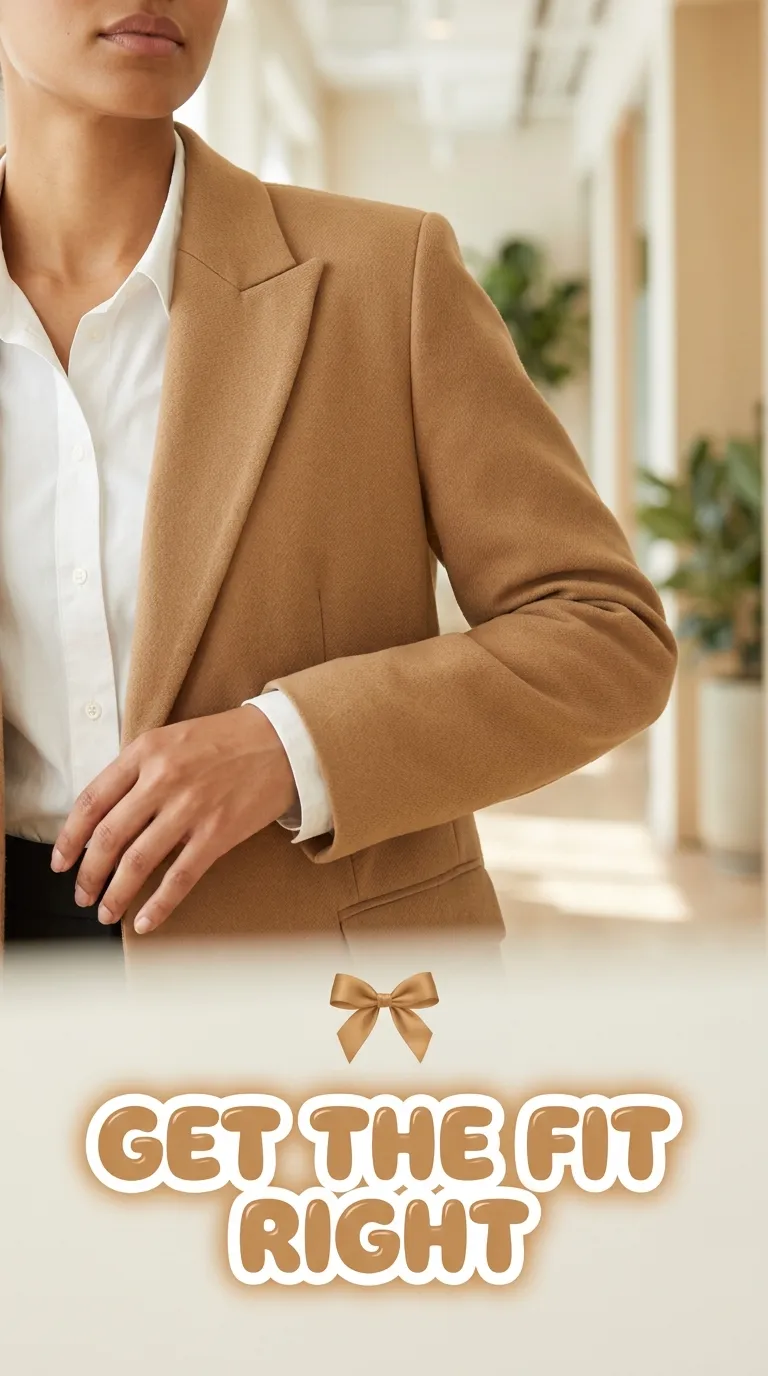
Fit is the quiet detail that separates polished from almost right. A simple piece that fits well looks more put together than an expensive one that does not.
Bodies change over the years, and that is normal. Dress the body you have now, not the one in an old photo.
How to Do It
- Check the shoulder seam first. It should sit at the edge of your shoulder, not slide down the arm
- Move your arms. You should be able to reach forward without the back pulling tight
- Check sleeve length. Jacket sleeves usually end at the wrist bone
- Check the hem. Trousers should skim the top of your shoe without dragging
- Sit, bend, and walk. If you tug at it all day, it does not fit yet
Why It Works
Clean lines at the shoulder, sleeve, and hem make an outfit look intentional. Your eye reads the clothes as one polished picture instead of noticing the one spot that is off.
A tailor can usually adjust hems and sleeve lengths without much trouble. Shoulders are much harder to change, so get those right when you buy. The trade-off is time and a small cost for alterations.
What to Look For
- Shoulder seams at the edge of the shoulder
- Buttons that lie flat without pulling
- Trouser hems that skim the shoe
- Enough room to move without bunching
Common Mistakes to Avoid
- Buying a size for the body you hope to have later
- Keeping a size that no longer fits because it once did
- Sleeves that cover the hands
- Skipping the sit-and-bend test in the fitting room
Best For
- Blazers and coats
- Work trousers
- Shirts and knits worn every week
4. Balance Your Proportions in Every Outfit
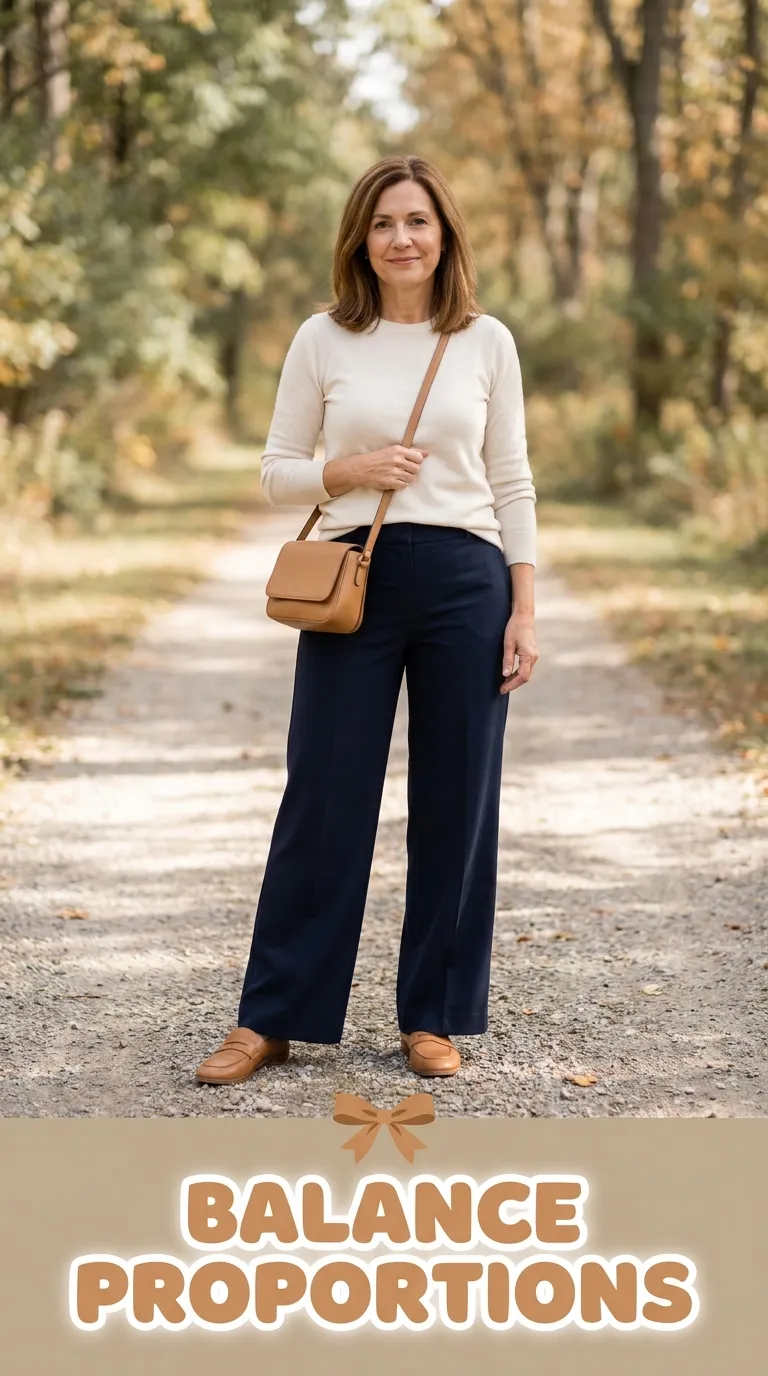
Proportion is how an outfit divides the body: where the top ends, where the hem lands, and which piece carries the volume. When it is balanced, the whole look feels calm and deliberate.
The simplest approach is to let one piece take the lead and keep the other close and clean.
How to Do It
- Choose the piece you want to feature, such as wide-leg trousers or a roomy shirt
- Keep the other half more streamlined, like a fitted knit with wide trousers
- Decide where the top ends: tucked in, half-tucked, or hip-length
- Let the hem land on purpose, either skimming the shoe or showing a little ankle
- Step back from the mirror and check that the outfit has one clear focal point
Why It Works
Balanced volume gives an outfit a clear shape, and a defined waist or a clean break at the hip tells the eye where to go. Nothing competes, so the clothes look chosen instead of thrown together.
The trade-off is a quick mirror check. It takes about thirty seconds, and it gets faster with practice.
What to Look For
- One fuller piece paired with one streamlined piece
- A visible waist line or a clear break at the hip
- Hems that end at a deliberate point
- One focal point per outfit
Common Mistakes to Avoid
- Volume on top and on the bottom in the same outfit
- Tops that end at an awkward point between waist and hip
- Layers that add bulk in the same spot
- Skipping the mirror check when changing shoes
Best For
- Wide-leg trousers
- Midi skirts
- Everyday work outfits
5. Finish With Shoes and a Bag That Look Cared For
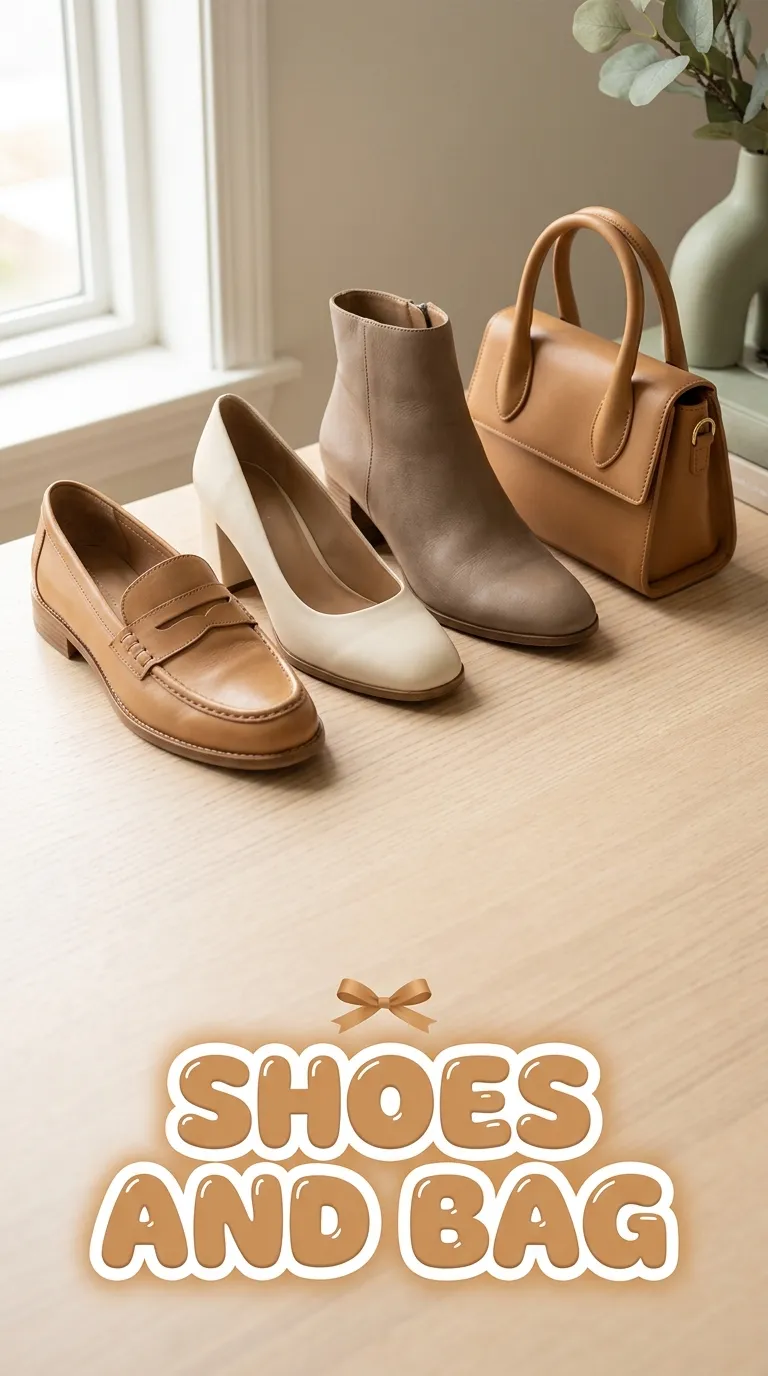
People notice shoes and bags even when they could not say why an outfit feels finished. Clean leather, intact heels, and a bag that keeps its shape say a lot about how an outfit was put together.
You do not need many pairs. Two or three comfortable styles in your base colors will cover most weeks.
How to Do It
- Pick two or three shoe styles in your base colors, such as loafers, ankle boots, and a low block heel
- Match the shoe and bag tone, staying in the same color family without matching exactly
- Check the condition of heels, edges, and straps before you leave the house
- Choose comfort you can walk in all day, with cushioning, a stable heel, and room in the toe box
- Pick a structured bag that holds its shape when you set it down
Why It Works
Well-kept shoes and a structured bag give the outfit a clean finish, even when the clothes are simple. Repeating a color between the two also ties the look together.
The trade-off is care. Leather needs wiping, heels need repairing, and shoes last longer when you rotate them.
What to Look For
This table compares everyday shoe styles. Check with your doctor or a podiatrist if you have foot pain.
| Shoe | Best For | Heel or Sole Notes |
|---|---|---|
| Loafers or flats | Work and errands | Cushioned insole, flexible sole |
| Low block heel | Dinners and events | 1½ to 2 inches, stable base |
| Ankle boots | Fall and cooler days | Walkable heel, room at the toe |
| Clean leather sneakers | Casual days and travel | Supportive sole, minimal detail |
Common Mistakes to Avoid
- Scuffed or worn-down heels
- Shoes that hurt, which makes you walk stiffly
- A slouchy, overstuffed bag
- Mixing too many metal finishes and hardware styles
Best For
- Commuting
- Travel days
- Weekend errands
6. Pick One Finishing Touch, Not Five
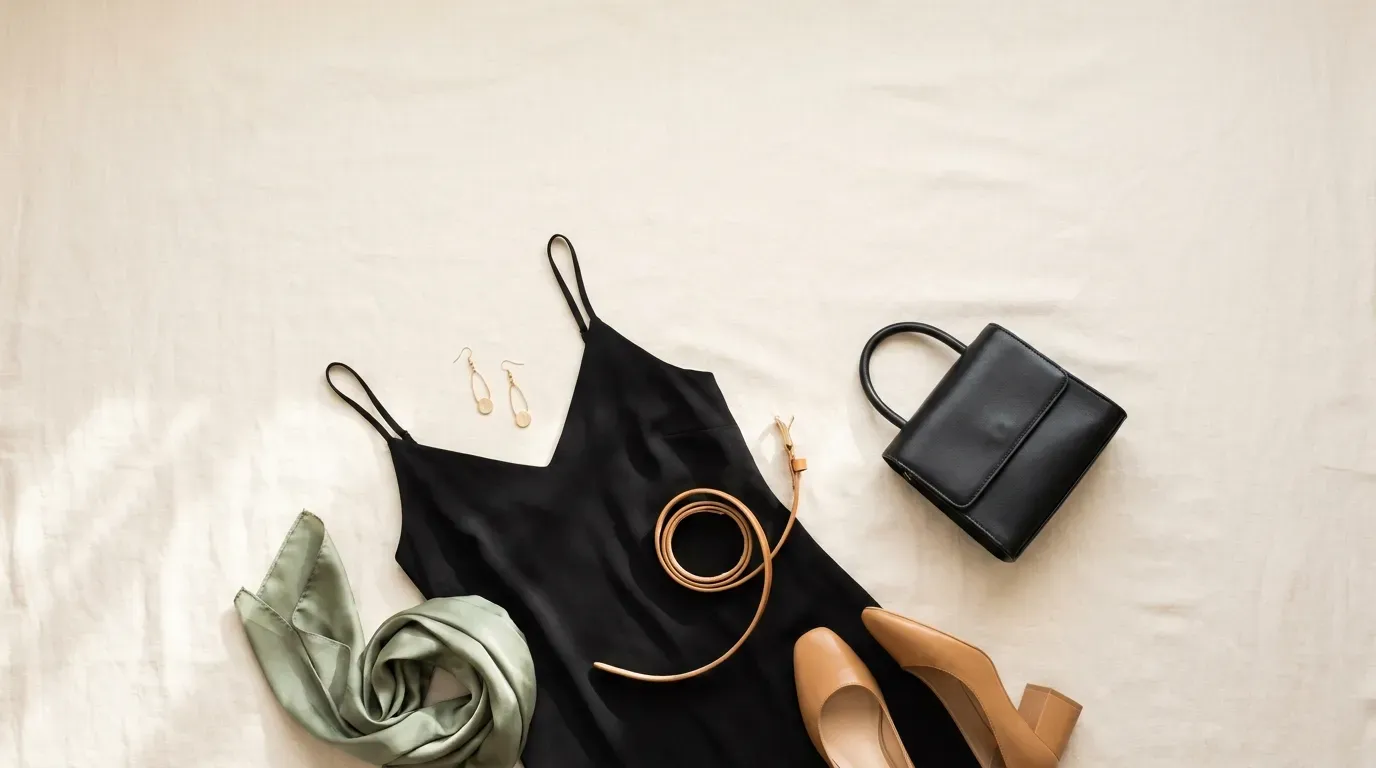
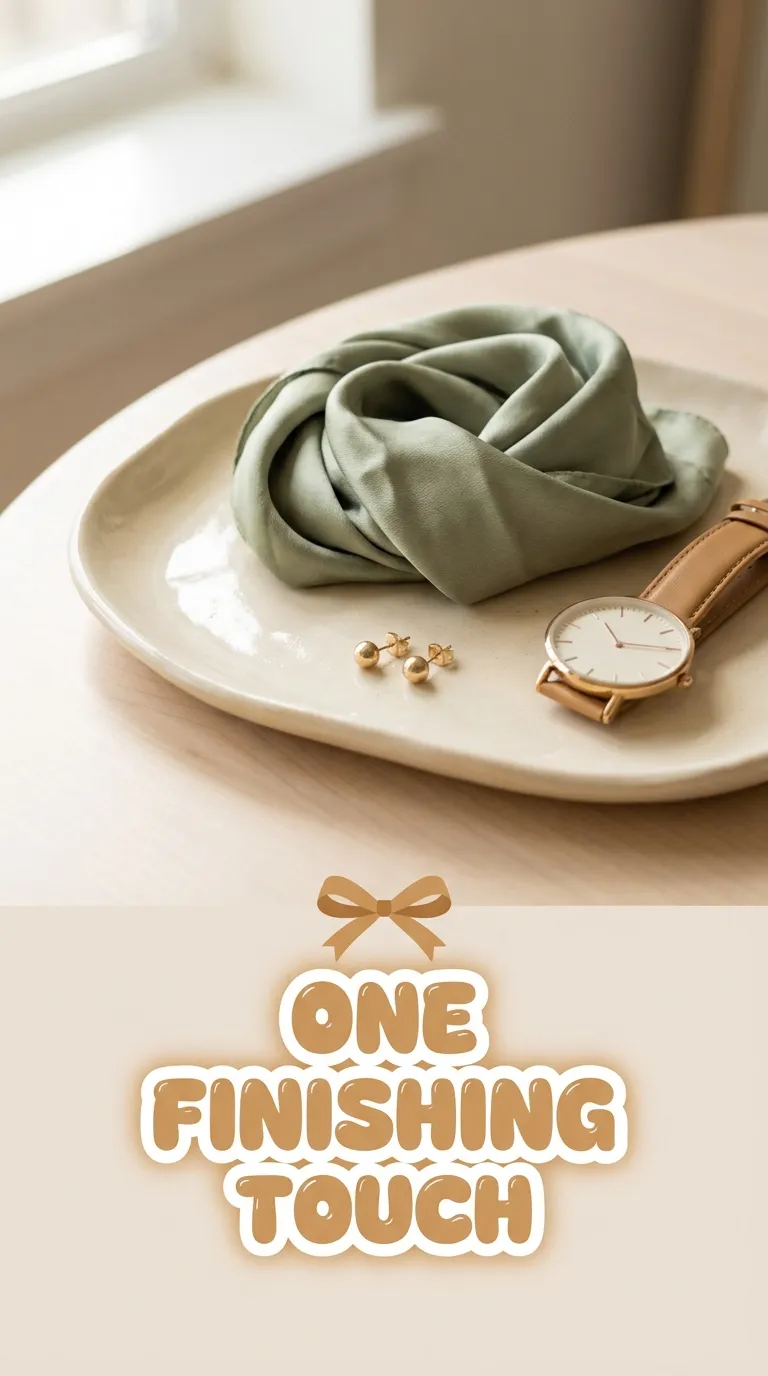
An accessory should finish an outfit, not compete with it. One clear focal point looks confident, while five small details tend to look busy.
Think of it as the last step after the clothes are done.
How to Do It
- Finish the outfit first, then look in the mirror before adding anything
- Choose one focal accessory: a scarf, earrings, a watch, or a belt
- Keep everything else small and quiet
- Mix metals only on purpose, not by accident
- If you are unsure, take one piece off
Why It Works
One focal accessory gives the eye a place to rest, and it makes a simple outfit look styled. It also saves time, because you are choosing one thing instead of building a set.
The trade-off is restraint. If you love layering jewelry, save it for days when the clothes are very plain.
What to Look For
- Earrings light enough to wear all day
- A scarf in a soft, drapey fabric
- A watch or bracelet with a clean face
- A belt that matches the shoe or bag tone
Common Mistakes to Avoid
- Stacking necklaces, statement earrings, and a scarf together
- Heavy jewelry that tugs or irritates
- Accessories that do not match the mood of the outfit
- Wearing a trending accessory that does not feel like you
Best For
- Plain, simple outfits
- Workdays
- Dinners out
A Simple Rule to Remember
Before you leave the house, take one thing off. If the outfit still feels finished, leave it off.
Quick Classy Dressing Cheat Sheet
| Rule | Why It Works | Quick Fix |
|---|---|---|
| Quiet color palette | Pieces mix and match easily | Stick to two base colors plus one accent |
| Polished fabrics | Smooth drape, lasting shape | Do the scrunch test before buying |
| Right fit | Clean lines look intentional | Tailor the hem and sleeves |
| Balanced proportions | One clear shape per outfit | Pair one fuller piece with a streamlined one |
| Cared-for shoes and bag | Details finish the look | Repair heels and wipe leather |
| One finishing touch | A single focal point | Take one accessory off |
The Principles Behind These Rules
Repetition Beats Variety
Outfits that look classy are often built from the same pieces worn in new ways. Repeating shapes, colors, and fabrics makes your style recognizable, and it makes getting dressed easier.
Fewer Colors, More Ways to Dress Classy
A tight palette gives you more outfit combinations, not fewer. When everything works with everything else, you can dress classy on a busy morning without planning.
Fit and Fabric Do the Heavy Lifting
A well-fitted piece in a good fabric needs very little styling. Spend your time and budget there before you spend it on extras.
Comfort Is Part of Polish
If you are pulling at a waistband or limping in your shoes, it shows. Choose clothes and shoes you can move in, since an outfit looks best on someone who feels at ease.
Common Mistakes Worth Skipping
Buying for a Size You Hope to Be
Clothes should fit the body you have today. Buy for now, and use a tailor if a piece needs a small adjustment.
Overstyling With Too Many Statement Pieces
A bold coat, patterned scarf, large earrings, and loud shoes all at once leave the eye with nowhere to settle. Pick one to lead and keep the rest simple.
Skipping Care and Pressing
A wrinkled blouse or scuffed shoes can undo a thoughtful outfit. A quick steam, a lint roller, and a wipe of your shoes take a few minutes and make a visible difference.
Final Tips for Success
Start With Three Outfits You Can Repeat
Build three go-to outfits from pieces you already own, and write down what is in each. Wearing them often is not boring, it is how a personal style forms.
Edit Your Closet Once a Season
Take out what does not fit, what you never reach for, and what clashes with your palette. A smaller closet is easier to dress from.
Keep a Tailor and a Steamer Handy
A small alteration or a quick steam can change how a piece looks. Both are worth the effort for the clothes you wear most.
Wardrobe Basics Worth Owning
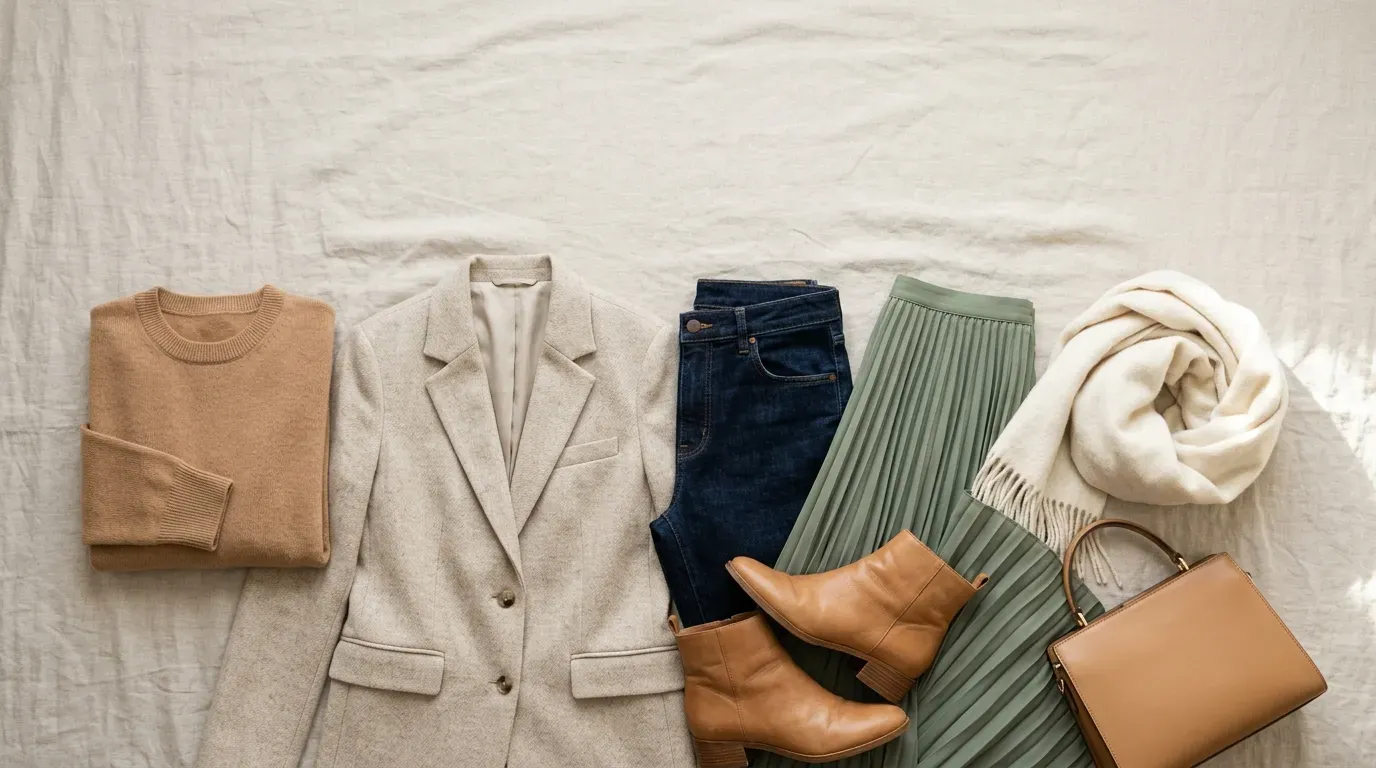
- A white or cream button-up shirt
- A fine-knit sweater in a neutral color
- Well-fitted straight-leg trousers
- A tailored blazer
- Dark jeans in a clean wash
- A structured everyday bag
- Comfortable loafers or flats
- A lightweight scarf
Conclusion
Knowing how to dress classy every day comes down to habits, not a perfect closet. A quiet palette, good fabric, a proper fit, balanced proportions, cared-for shoes, and one finishing touch cover most of what makes an outfit look polished.
You do not need to change everything at once. Pick one rule this week, such as fixing the hem on your favorite trousers or editing your scarf drawer, and see how it feels.
Classy is not a look you have to earn. It is what happens when your clothes fit you and you feel comfortable in them.
Save this guide for the next time you open your closet and nothing feels quite right.

Comments
✎ Write a commentCommunity Guidelines
We love hearing what you think. Please keep comments about the article itself, stay kind and helpful to other readers, and leave out personal details or links. Every comment is checked before it appears.