

How to Dress Better for Women Over 40 — It's a weekday morning, the closet is full, and nothing feels quite right. If you have ever wondered how to dress better for women over 40 without starting over from scratch, you are in good company, because the answer is rarely a whole new wardrobe.
What most of us need is a clearer way of choosing: pieces that fit well, colors that work with our coloring, fabrics that behave, and outfits that suit the day ahead. Those are skills, and they are easy to learn one step at a time.
I put this guide together as seven practical steps you can try with the clothes you already own. Take what helps, skip what doesn't, and save the rest for later.
1. Start With the Pieces You Already Wear Most
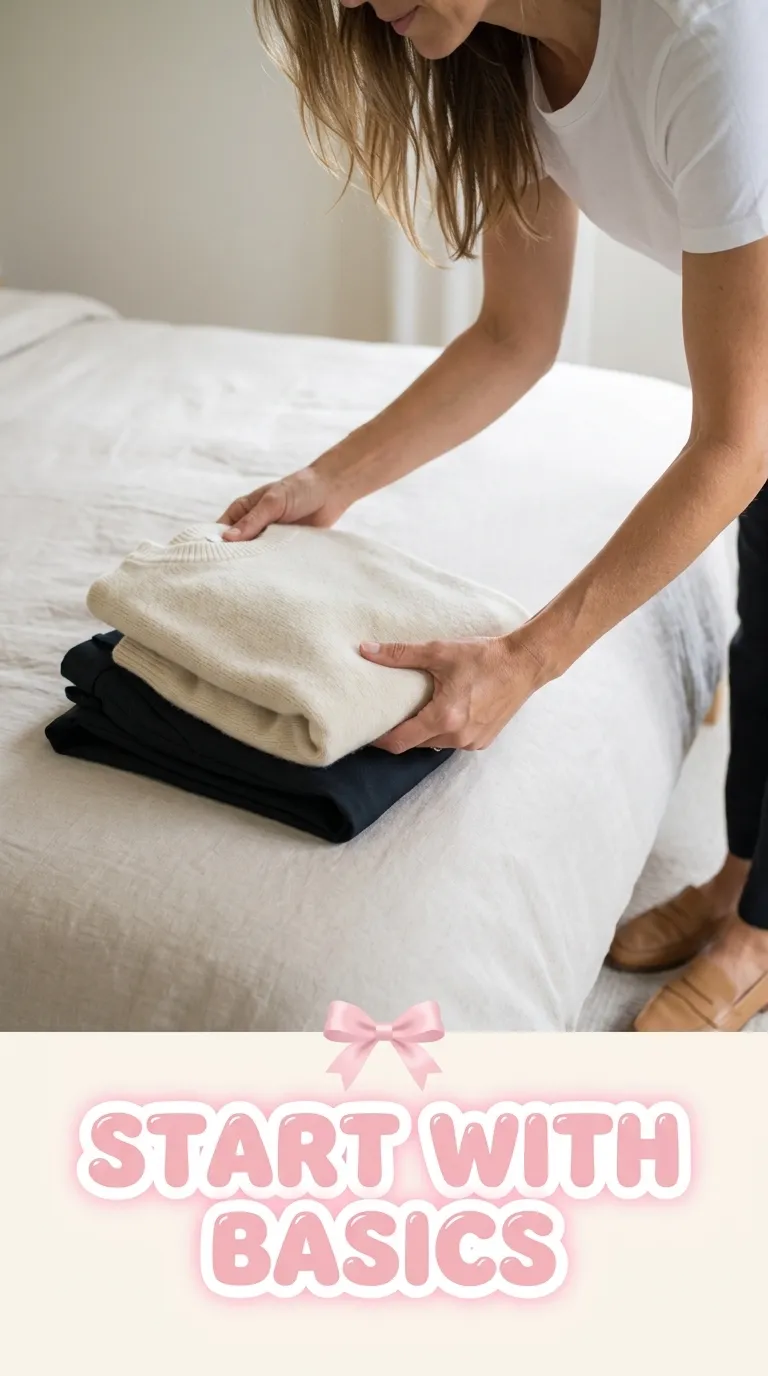
Before you buy anything, look at what you already reach for. The clothes you repeat week after week tell you a lot about the fit, comfort, and colors that work for your life.
This step takes about 20 minutes and costs nothing. It gives you a base to build on, so every new piece has a job to do.
How to Do It
- Pull out the 8 to 10 pieces you wear most often, even if they are not your favorites.
- Lay them out and look for what they share: cut, color, fabric, or length.
- Try each one on and notice what feels good, such as the sleeve length, the neckline, or the way the fabric moves.
- Write your pattern in one sentence, for example "straight leg, soft knit, muted colors."
- Use that sentence as a filter when you shop and when you get dressed.
Why It Works
Your most-worn pieces have already passed the only test that matters: you actually put them on. Finding the pattern behind them keeps you from buying one-off items that never leave the hanger, and it shows which gaps in your closet are real.
The catch is honesty. A beloved sweater that has stretched or pilled may be comfortable but no longer earning its spot. This step also works less well right after a big change, such as a new job or a move, because your habits may not match your new routine yet. In that case, start with Step 7 and come back.
What to Look For
- Shoulders that fit and feel comfortable all day
- Fabrics you choose again and again
- Colors that show up across most of the pile
- Lengths and necklines you rarely adjust
Best For
- A closet that feels full but frustrating
- Seasonal closet swaps
- Building a short, focused shopping list
2. Get the Fit Right Before Anything Else
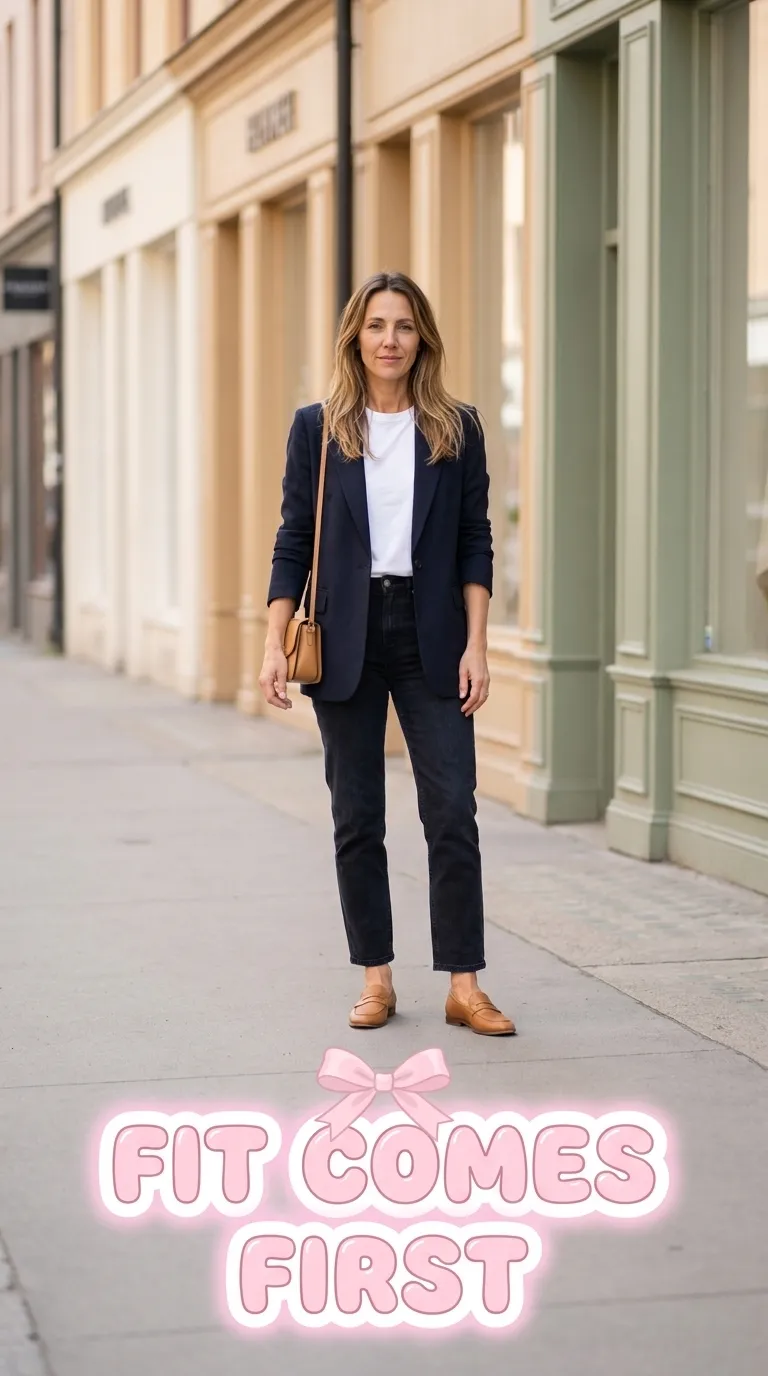
Fit does more for an outfit than any trend or price tag. A well-fitting basic usually looks more polished than an expensive piece that pulls, gapes, or slides around.
The goal is not a custom-tailored look. It is clothing that sits where it should and lets you reach, sit, and carry a bag without adjusting it every five minutes.
How to Do It
- Start at the shoulders. The seam should sit at the edge of your shoulder, not hang past it.
- Raise your arms, then sit down. Nothing should pull across the bust or the upper back.
- Check the waistband and hips while seated. The fabric should not dig in or buckle.
- Look at sleeve and hem lengths in a full-length mirror.
- Make a short list of pieces worth altering. Hems, sleeves, and waistbands are often simple fixes for a tailor.
Why It Works
Clothing that fits follows your shape instead of fighting it, which gives an outfit clean lines and makes it look intentional. It is also more comfortable, so you stand and move more naturally.
Alterations do take time and cost money, so start with the pieces you wear most. A good rule is to alter what you love and donate what you keep meaning to fix.
What to Look For
Use this quick table in the fitting room or in front of your own mirror.
| Area | What a Good Fit Looks Like | Sign It's Off |
|---|---|---|
| Shoulders | Seam sits at shoulder edge | Seam droops or pinches |
| Bust | Lies flat, buttons stay closed | Fabric pulls or gapes |
| Waist | Comfortable sitting and standing | Digs in or rolls over |
| Sleeves | Ends near the wrist bone | Covers hands or rides up |
| Hem | Ends at a deliberate point | Stops at an awkward spot |
Common Mistakes to Avoid
- Choosing by the number on the tag instead of the fit
- Keeping pieces you plan to fix someday
- Ignoring sleeve and hem lengths
- Assuming looser always means more comfortable
Best For
- Wardrobe basics like blazers, trousers, and button-ups
- Shopping trips and fitting rooms
- Deciding what to alter and what to donate
3. Build Outfits Around Proportion
Proportion is how the pieces in an outfit relate to each other: where the top ends, where the bottom begins, and how much volume sits on each half. Get the balance right and even simple basics look planned.
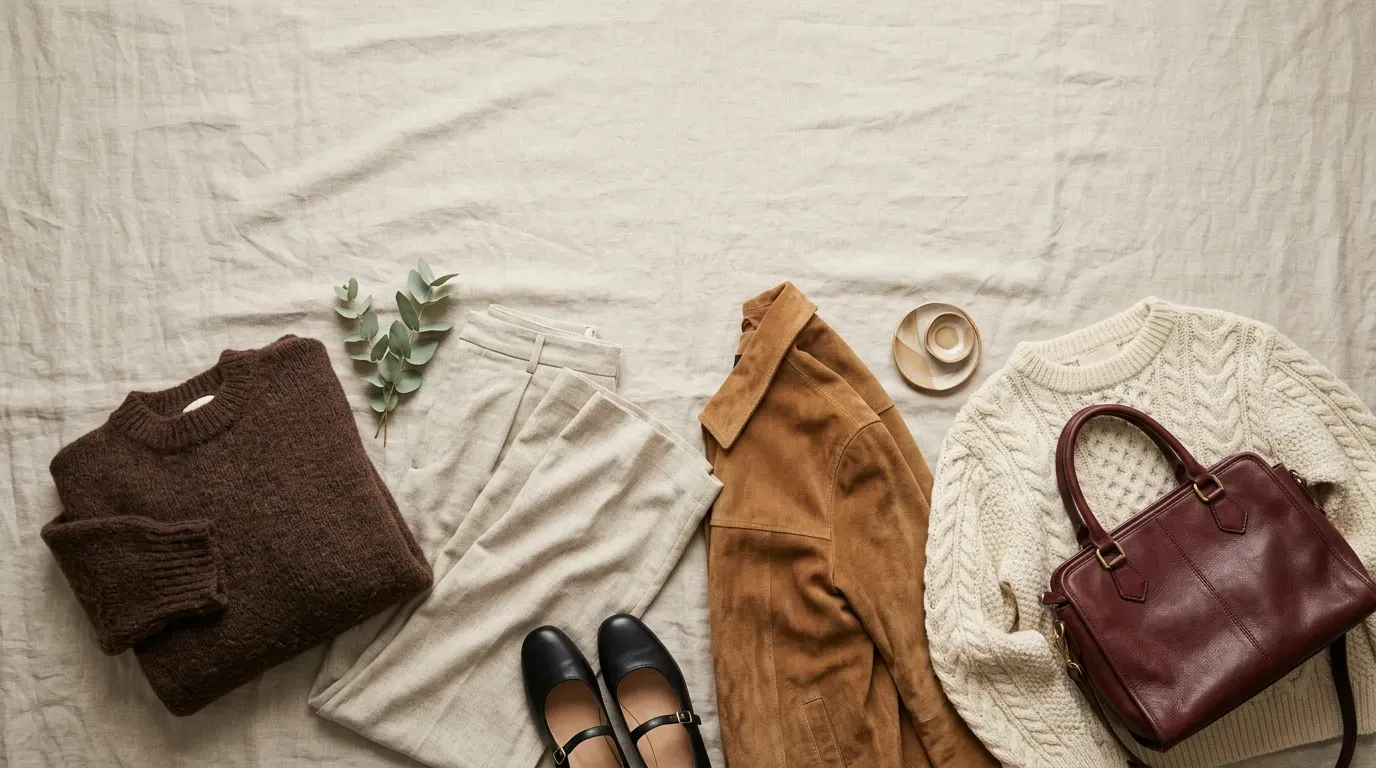
You do not need a long rulebook. A few habits, repeated, cover most outfits.
How to Do It
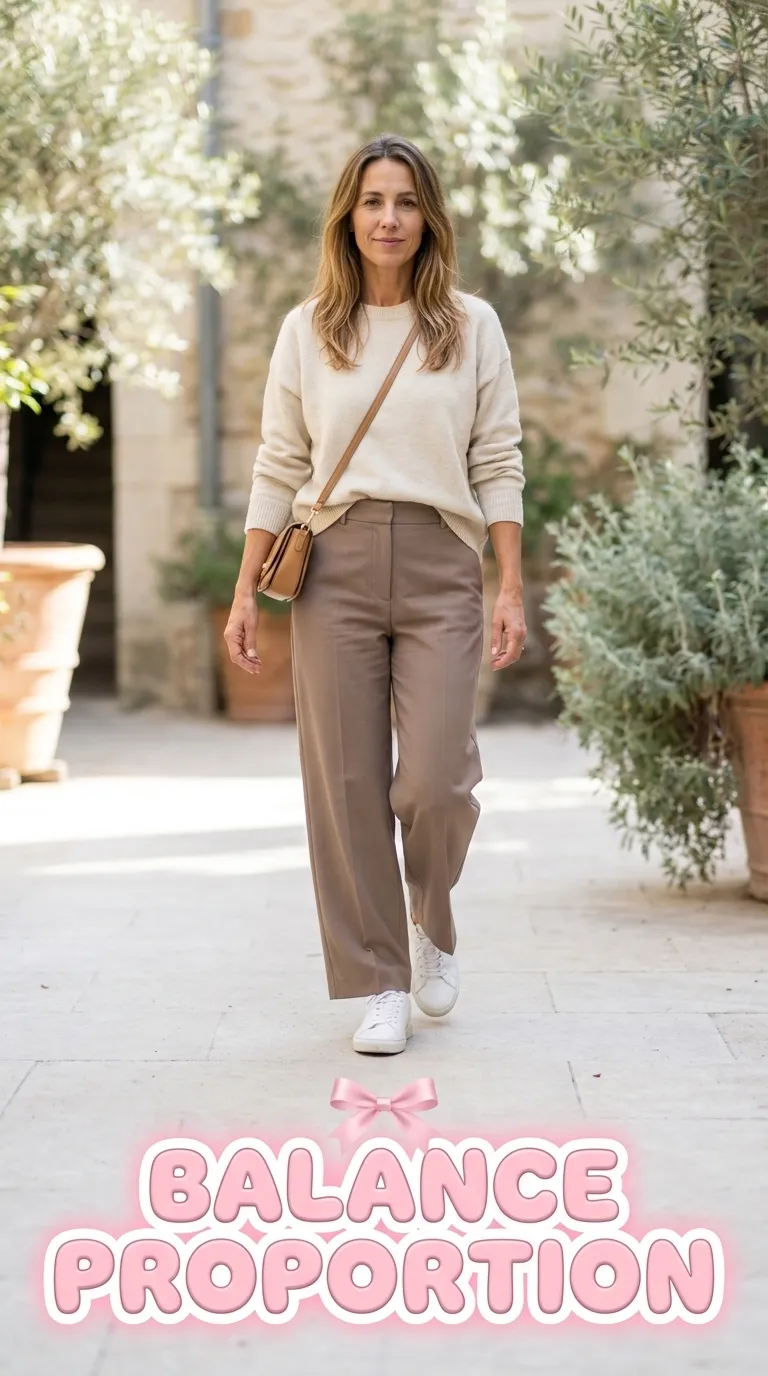
- Pick the one piece that carries the volume, such as wide-leg pants or a roomy shirt.
- Keep the other half closer to the body, such as a fitted knit with wide pants.
- Define the waist in some way: a full tuck, a half-tuck, or a belt.
- Choose a top length that ends at a deliberate point, such as just above or just below the hip.
- Step back and check a full-length mirror before you leave the house.
Why It Works
Balancing volume gives an outfit a clear shape, and a defined waist or a deliberate hem gives the eye a place to land. The result reads as polished even when every piece is casual.
The trade-off is a little upkeep. Tucks and layers need a quick press now and then and a minute in the mirror to settle.
What to Look For
- One roomy piece paired with one closer-fitting piece
- A visible waistline, whether a tuck, belt, or seam
- Tops that end at the hip or tuck in easily
- Pant hems that clear the ankle or just graze the shoe
A Simple Rule to Remember
Fitted with relaxed, relaxed with fitted. If both halves are loose, add structure with a belt, a tuck, or a jacket.
4. Choose Colors That Work With Your Coloring
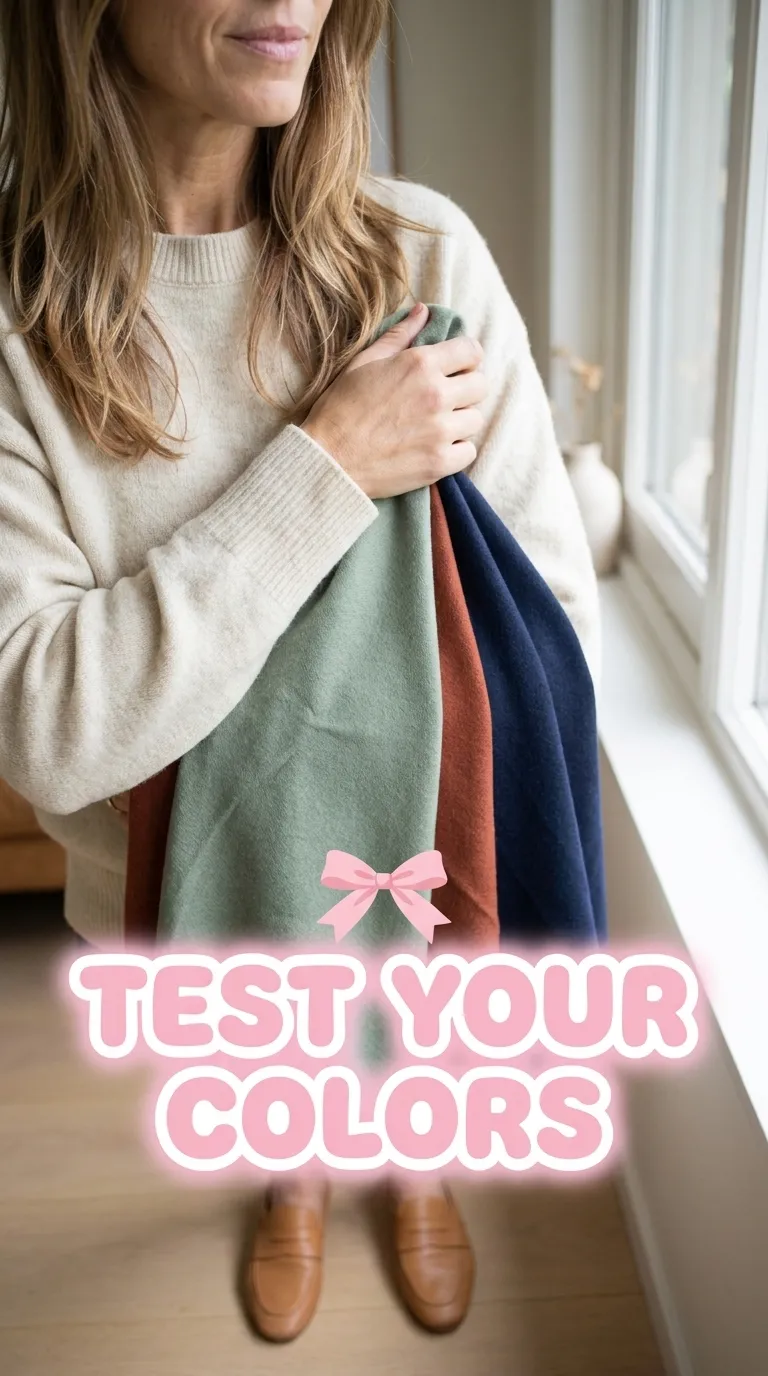
The right color near your face can make you look rested and bright. The wrong one can make the same outfit feel flat, even when the cut is perfect.
Skin tone and hair color change over the years, so colors you loved a decade ago are worth testing again. Think of this step as an experiment, not a verdict.
How to Do It
- Check the inside of your wrist in natural daylight. Bluish veins often point to a cool undertone, greenish veins to a warm one, and a mix to neutral.
- Hold a top or scarf in a color you are curious about close to your face, still in daylight.
- Look at your skin. Does it look even and rested, or shadowed and tired?
- Test three colors you already own and three you have never tried.
- Keep a short list of the winners and shop from it.
Why It Works
Colors near the face reflect onto your skin, so they change how even and bright it looks. Testing in daylight with a few options side by side takes the guesswork out of shopping.
Lighting changes everything, so avoid judging in a dim fitting room. A color that does not work near your face can still be a good choice for pants, a skirt, or shoes.
What to Look For
Use this table as a starting point, then trust what you see in the mirror.
| Undertone | Colors That Work | Colors to Test First |
|---|---|---|
| Cool | Navy, emerald, berry, charcoal | Icy pink, plum |
| Warm | Camel, olive, rust, cream | Mustard, warm coral |
| Neutral | Soft versions of most shades | Dusty rose, sage green |
Common Mistakes to Avoid
- Choosing a color because it is trending
- Judging a color in dim store lighting
- Writing off a color after one piece that did not work
- Wearing only neutrals out of habit
Best For
- Refreshing a closet that is mostly one color
- Choosing tops and scarves worn near the face
- Shopping online, where you can test and return
5. Pay Attention to Fabric and Drape
Two pieces in the same color and cut can look completely different depending on the fabric. Weight, stretch, and drape decide whether a piece looks crisp, soft, or limp after an hour of wear.
Fabric is also where comfort and upkeep show up. A material that feels wonderful but wrinkles in the car may not suit a busy day, and that is worth knowing before you buy.
How to Do It
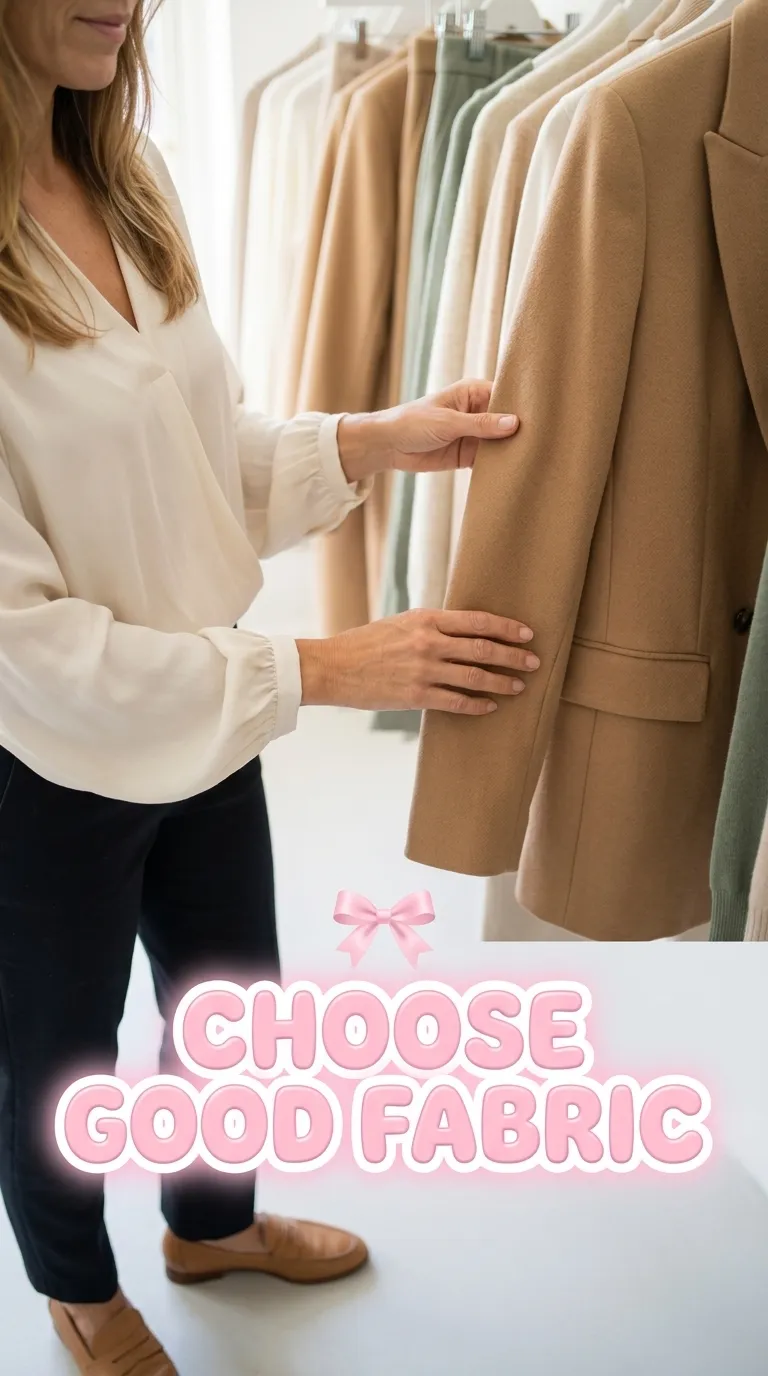
- Touch the fabric first. It should feel comfortable against your skin and not scratchy.
- Stretch a small section and let go. It should spring back instead of staying baggy.
- Hold part of the fabric up and watch how it hangs.
- Squeeze it in your fist for a few seconds to see how much it wrinkles.
- Read the care label and ask yourself if you will really follow it.
Why It Works
Good drape lets a piece fall smoothly and move with you, while structured fabrics hold their shape and add definition at the shoulder or waist. Knowing which one you are buying helps you plan the outfit around it.
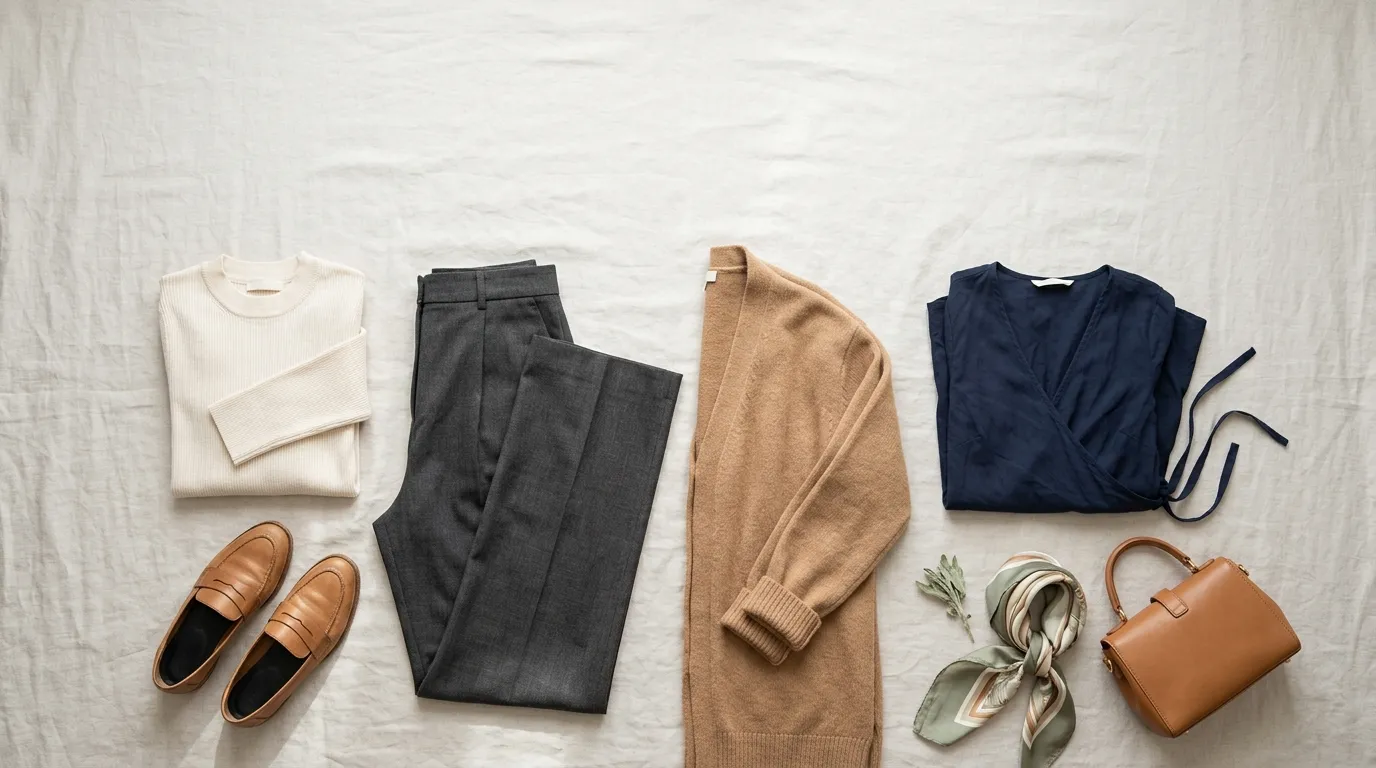
The trade-off is care. Natural fibers often wrinkle more, and delicate fabrics may need special washing. Check the care label and be realistic about the upkeep.
What to Look For
| Check | What to Look For | Quick Test |
|---|---|---|
| Weight | Substantial enough to hang cleanly | Hold it up and watch |
| Stretch recovery | Springs back after pulling | Stretch gently, then release |
| Wrinkling | Matches the ironing you will do | Squeeze it in your fist |
| Opacity | Light colors are not see-through | Place your hand behind it |
Best For
- Everyday basics like tees, knits, and trousers
- Travel pieces that need to survive a suitcase
- Warm-weather dressing, where breathable fabric matters
6. Let Shoes and Accessories Finish the Outfit
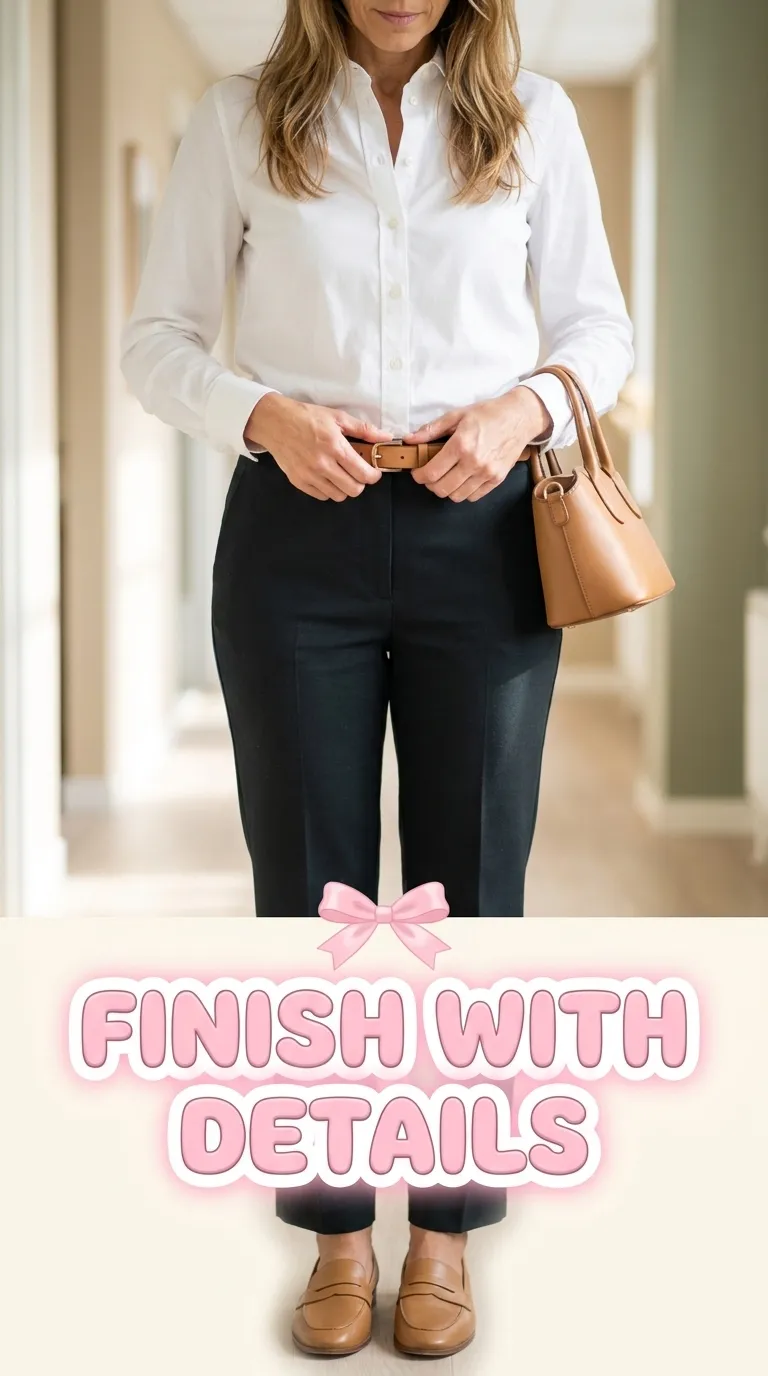
A plain outfit often needs just one more detail to look finished. Shoes, a bag, a belt, or a piece of jewelry can add polish, color, or personality without changing a single piece of clothing.
The idea is to choose a focal point and keep the rest simple. One strong choice usually does more than five small ones.
How to Do It
- Decide on one focal point for the outfit, such as a bold earring, a belt, or a bag.
- Match your shoes to the mood of the outfit: loafers for polished, sneakers for relaxed, ankle boots or low block heels for dressier.
- Keep the other accessories quiet so the focal point stands out.
- Look at the full outfit in a mirror and remove one item if it feels busy.
- Keep a small set of reliable shoes in rotation, so you do not wear something uncomfortable just because it matches.
Why It Works
An accessory adds a finishing line to an outfit and draws the eye where you want it, whether that is the waist, the face, or the shoe. It also makes repeat outfits feel fresh, because changing one detail changes the whole look.
What to Look For
For shoes, look for cushioning, a stable heel, and room in the toe box. If you have foot pain, check with your doctor or a podiatrist.
| Accessory | Best For | How to Wear It |
|---|---|---|
| Structured bag | Work and daily errands | Carry on forearm or shoulder |
| Leather belt | Defining the waist | Wear at the natural waist |
| Silk scarf | Adding color near the face | Loop once or tie loosely |
| Earrings | Simple tops and plain necklines | Skip the necklace |
| Watch or bracelet | Everyday polish | Keep to one wrist |
Common Mistakes to Avoid
- Wearing every accessory at once
- Choosing shoes for looks only
- Letting a bag or belt clash with the outfit's mood
- Skipping accessories on a plain outfit
Best For
- Plain outfits that need a finishing touch
- Dressing up jeans and a tee
- Work, travel, and everyday errands
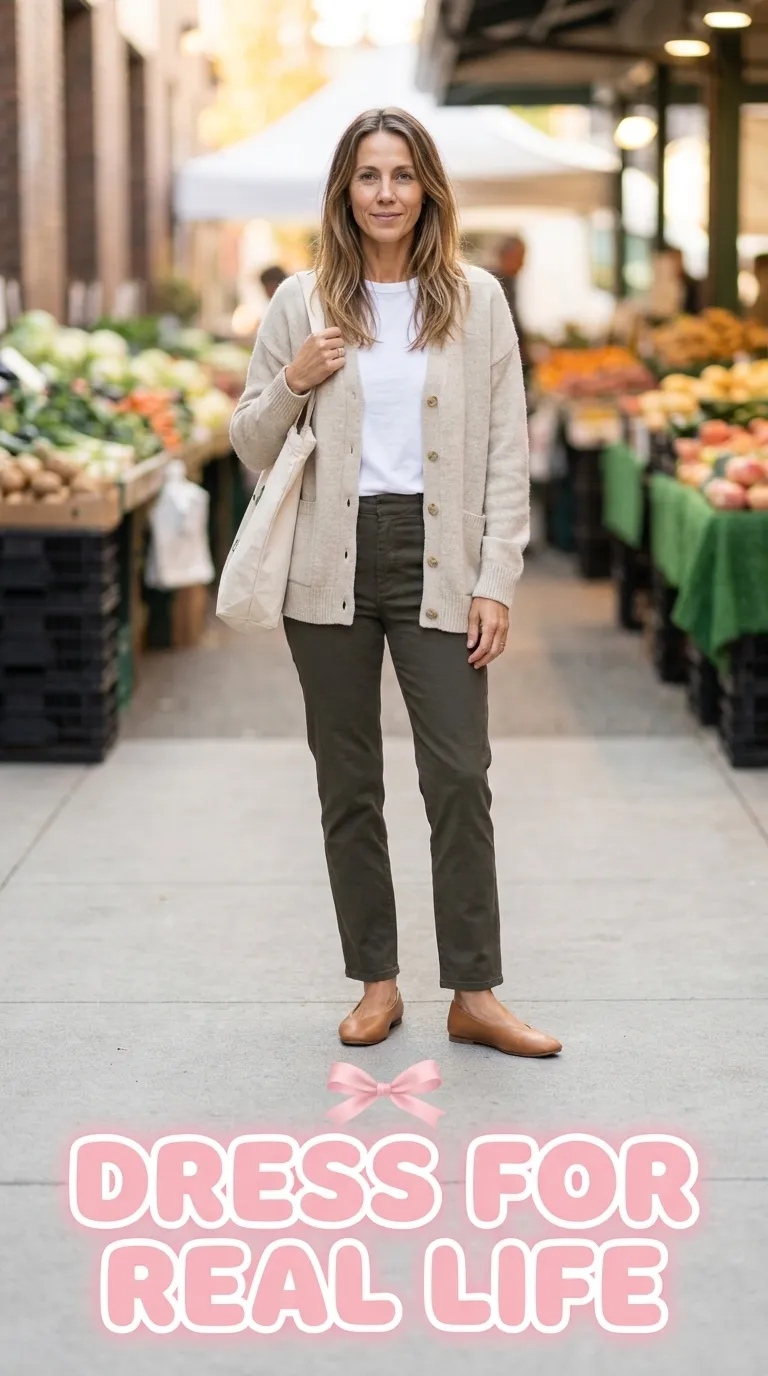
7. Dress for Your Real Life and Your Comfort
An outfit that looks great on a hanger does not help if it does not suit your day. A look that needs constant adjusting, or is wrong for the setting, usually ends up at the back of the closet.
This last step ties the others together: matching what you wear to what you actually do.
How to Do It
- List your typical week: work, errands, social plans, and weekends.
- Note what each setting asks for, such as a dress code, a lot of walking, long stretches of sitting, or weather.
- Build two or three go-to outfits for each setting.
- Set a comfort minimum: nothing you will tug, adjust, or want to change out of by noon.
- Keep those outfits easy to reach, on one rack or in one section of the closet.
Why It Works
A few reliable outfits for the situations you face most take the guesswork out of the morning and make sure your clothes suit the moment. Comfort also shows in how you stand and move, which is part of what makes an outfit look confident.
The trade-off is planning up front and a refresh when your routine or the seasons change. Climate matters too. Layers that work in a cool, dry place may feel heavy in a humid one, so adjust for where you live.
Common Mistakes to Avoid
- Saving "good" clothes for occasions that rarely happen
- Dressing for the weather you wish you had
- Ignoring how far you will walk or how long you will sit
- Wearing an outfit you need to adjust all day
Best For
- Busy weekday routines
- Travel and long days on your feet
- Casual weekends and social plans
A Simple Rule to Remember
If you cannot sit, walk, and reach comfortably in it, it is not the outfit for today.
Quick Dressing Cheat Sheet
| Rule | Why It Works | Quick Fix |
|---|---|---|
| Start with what you wear most | Shows your real habits | List 8 to 10 repeat pieces |
| Get the fit right | Gives clean lines and comfort | Check shoulders, then hems |
| Build around proportion | Creates a clear shape | Pair roomy with fitted |
| Choose colors that work for you | Changes how skin looks near the face | Test in daylight |
| Pay attention to fabric and drape | Decides how a piece hangs and wears | Stretch, squeeze, read the label |
| Finish with shoes and accessories | Adds polish without new clothes | Pick one focal point |
| Dress for real life | Outfits get worn when they suit your day | Build 2 or 3 go-tos per setting |
The Principles Behind These Rules
What Dressing Better Over 40 Really Means
It does not mean following a list of age-based dos and don'ts. It means choosing clothes that fit, feel good, and suit the life you actually have. The seven steps above are about intention, not correction.
Fit and Proportion Do Most of the Work
Before color, fabric, or accessories, fit and proportion decide the overall shape of an outfit. Get those two right and the rest becomes easier, because every other choice has a solid base to sit on.
Repetition Builds a Personal Style
Wearing what works, again and again, is not boring. It is how a personal style forms. The patterns you found in Step 1 are the start of your own formula, and each new piece only needs to fit it.
Comfort Shows in How You Move
When your clothes fit and feel good, you stop adjusting them. That ease is visible in how you stand, walk, and sit, and it often does more for an outfit than any single piece.
Common Mistakes Worth Skipping
Buying for the Body You Used to Have
Clothes bought for a past size or a "someday" version of you rarely get worn. Dress the body you have today, and let a tailor handle small adjustments.
Following Trends Without Checking Fit
A trend only works when the cut, length, and fabric suit you. Try it on, sit down in it, and decide if it fits your life before you buy.
Wearing Only Neutrals Out of Habit
Neutrals make a great base, but a closet with no color can feel flat. Add one or two shades from your Step 4 list and see how they mix with what you own.
Final Tips for Success
Shop Your Closet First
Before buying, try new combinations with what you already have. You may find that one small change, like a tuck or a belt, is all an outfit needed.
Keep a Tailor in Mind
A small adjustment to a hem, sleeve, or waistband can turn a good piece into one you wear all the time. Keep a short list of pieces to bring in.
Wardrobe Basics Worth Owning
- Well-fitting dark jeans
- A tailored blazer or structured jacket
- A soft knit sweater in a color you love
- A crisp white or light button-up shirt
- Comfortable flats or loafers
- A structured everyday bag
- A midi skirt or dress in a drapey fabric
Try Before You Commit
Wear a new piece around your home for a few minutes before removing tags. Sit, reach, and walk in it. If it still feels right, it earns a place in your rotation.
Conclusion
If you are searching for how to dress better for women over 40, the good news is that it comes down to a few habits you can repeat: know what you wear, get the fit right, balance proportion, and choose colors and fabrics that work for you.
Shoes and accessories finish the look, and dressing for your real life keeps it all practical. None of it needs a new wardrobe, only a little attention.
Start with one step this week, try it on a few outfits, and keep what feels good. Small changes add up faster than you might expect.
Save this guide for the next time you stand in front of a full closet and nothing feels right.
Comments
✎ Write a commentCommunity Guidelines
We love hearing what you think. Please keep comments about the article itself, stay kind and helpful to other readers, and leave out personal details or links. Every comment is checked before it appears.