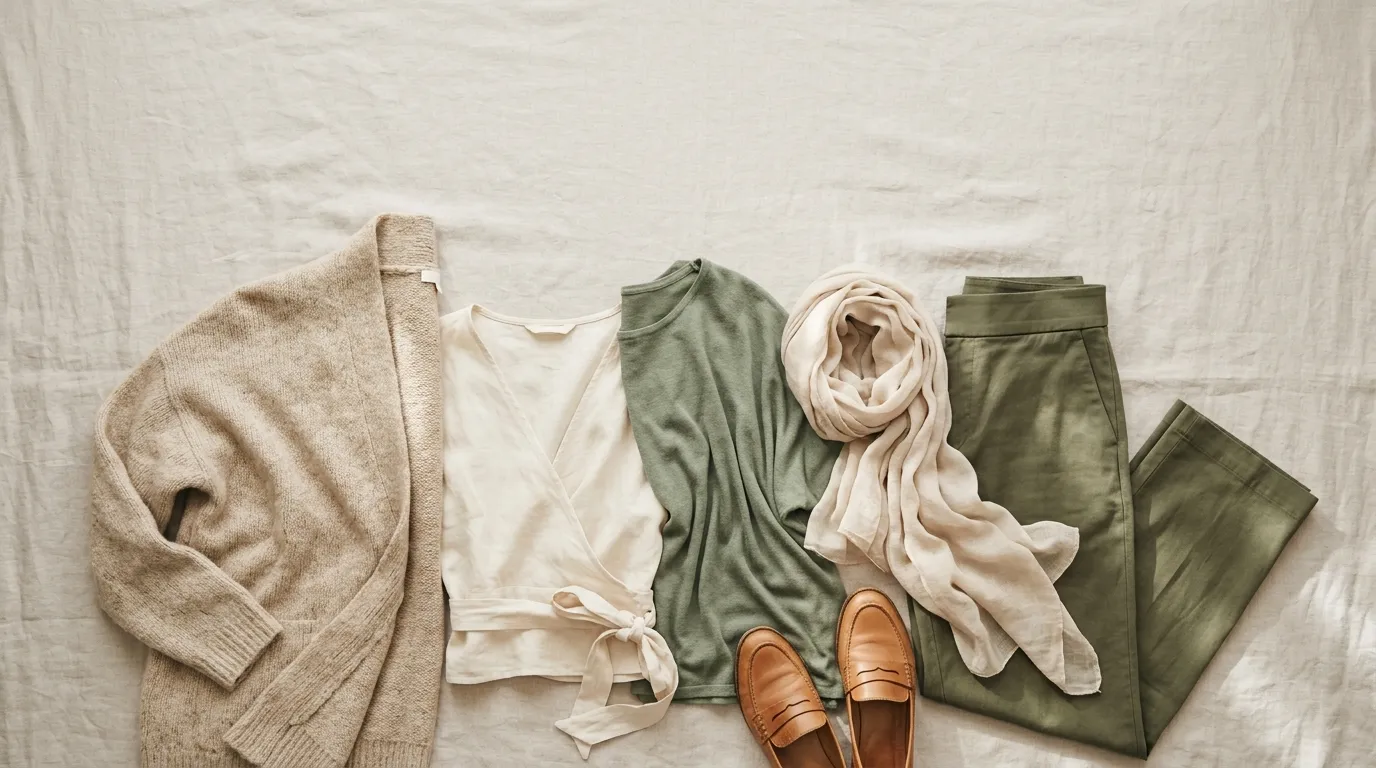

Flattering Fashion Tips for Plus Size Women Over 40 with a Belly — You pull a top off the rack, and it fits across the shoulders and the bust, then pulls tight just below the ribs. The fabric clings, the hem rides up, and you walk out of the dressing room sure the problem is you. It almost never is. These fashion tips for plus size women over 40 start from a different place: the clothes need to fit, not your body.
What you actually need is clothing that moves with you, sits comfortably at the waist, and holds its shape through a full day. Fit, fabric, and a few simple styling moves get you most of the way there.
I put together six tips I'd hand to a friend who has a belly and wants to feel put together without feeling squeezed. Take what suits your life and skip the rest.
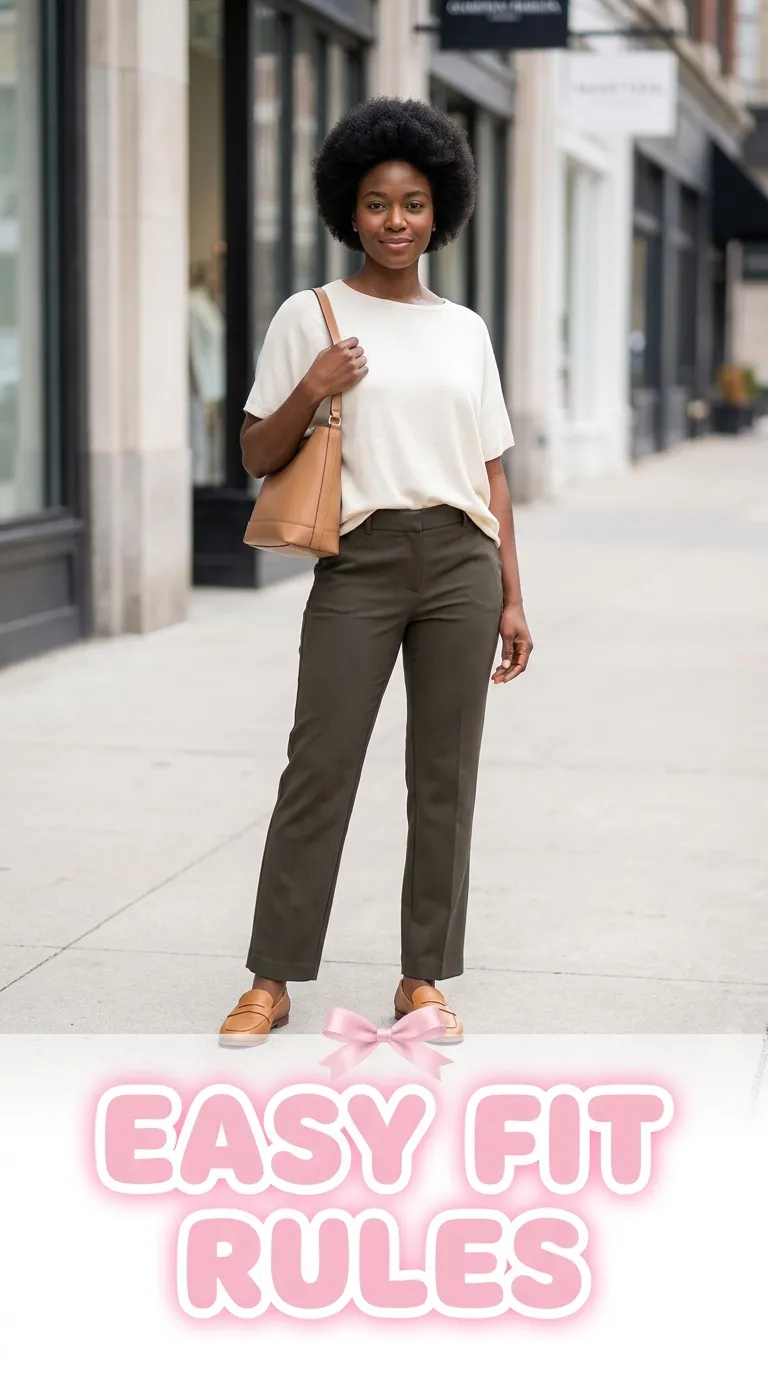
1. Start With Fit at the Widest Point
Most fit problems begin at the widest part of the body. If a piece fits there, the rest usually falls into place, and a tailor can handle the details.
For many women with a belly, that widest point is the midsection or the hips, not the bust or shoulders. Buy for the widest point first, then adjust everything else.
How to Do It
- Put the piece on, then sit down and stand up again.
- Check the widest point: the fabric should skim, not pull.
- Look for horizontal wrinkles, which usually mean the piece is too snug.
- Check the shoulders and bust next; they should sit flat.
- Note anything that needs adjusting and plan a tailor visit.
Why It Works
Fabric that skims the widest point falls straight down and makes a smooth line. Fabric stretched across it pulls upward and shows every seam. A fit with a little room looks intentional and feels far better to wear.
The trade-off: a piece bought for the widest point may need the shoulders or sleeves taken in. A good tailor handles that with a small alteration.
What to Look For
Use this quick check in the fitting room.
| Area | What a Good Fit Looks Like | Sign It's Off |
|---|---|---|
| Shoulders | Seam sits at the shoulder edge | Seam slides down or digs in |
| Midsection | Fabric skims without pulling | Horizontal pull lines at the button |
| Hips | Room to sit without strain | Fabric clings or rides up |
| Hem | Falls flat and level | Hem lifts in front |
Common Mistakes to Avoid
- Sizing by the number on the tag
- Buying for the shoulders and ignoring the midsection
- Skipping the sit-down test
- Leaving a near-perfect piece untailored
Best For
- Shopping for tops and dresses
- Choosing work pieces
- Building your first reliable outfit
- Reviewing the closet you already have
A Simple Rule to Remember
Fit the widest point first, then tailor the rest.
2. Choose Fabrics With Drape and a Little Stretch
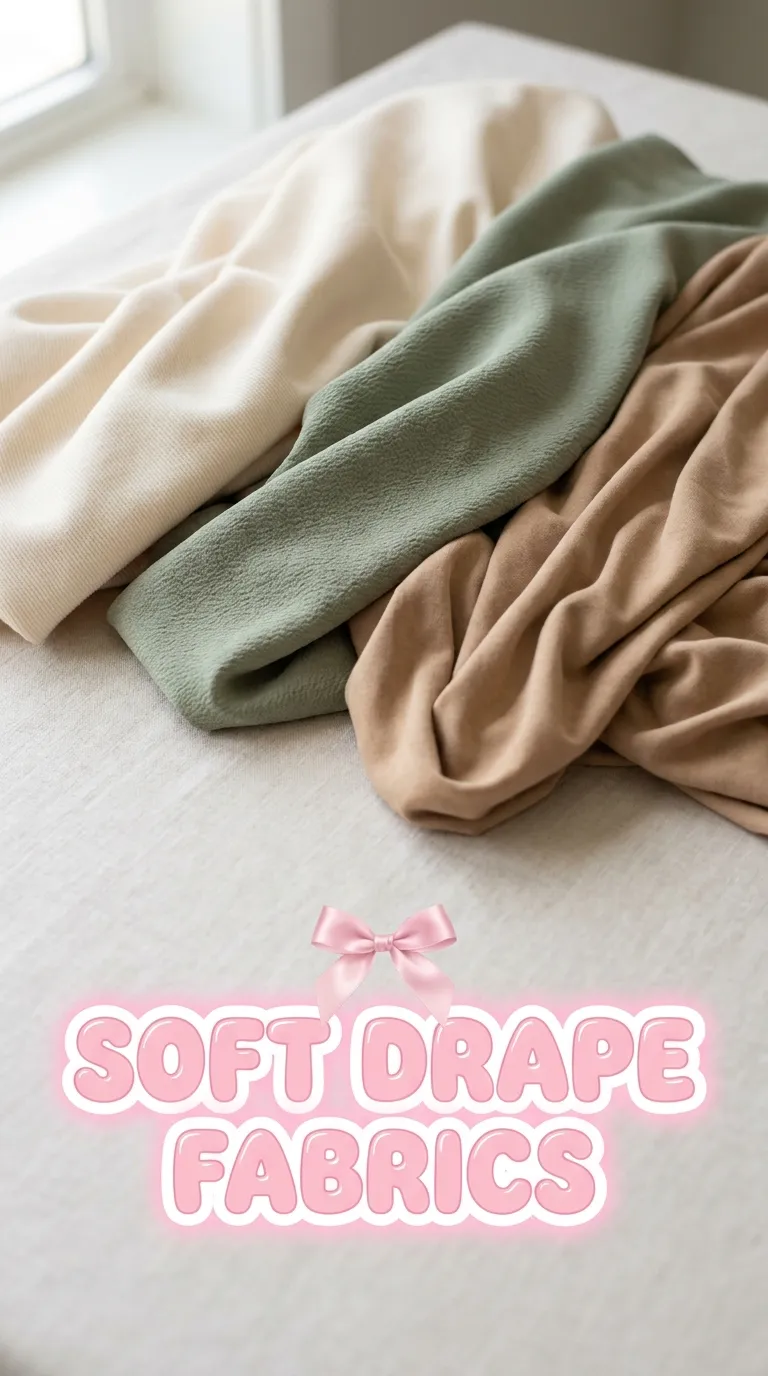
Fabric does as much work as the cut. A heavy, stiff cloth can stand away from the body, and a very thin, clingy one can follow every line more closely than you'd like.
The sweet spot is a fabric with drape (it falls and moves) and a touch of stretch for comfort. Blends vary by brand, so check the care label.
How to Do It
- Hold the fabric and let it fall from your hand; it should flow, not stand up.
- Stretch a small section; it should spring back.
- Hold it up to the light; a see-through weave may need a slip.
- Choose medium weight over very thin or very stiff.
- Check the care label before you buy.
Why It Works
Drapey fabric skims over the midsection and hangs straight from the fullest point, which creates a smooth, easy line. A little stretch means the piece moves when you sit, reach, and walk.
The trade-off is upkeep: soft knits can pill, and some crepes need steaming. Check the care label so there are no surprises.
What to Look For
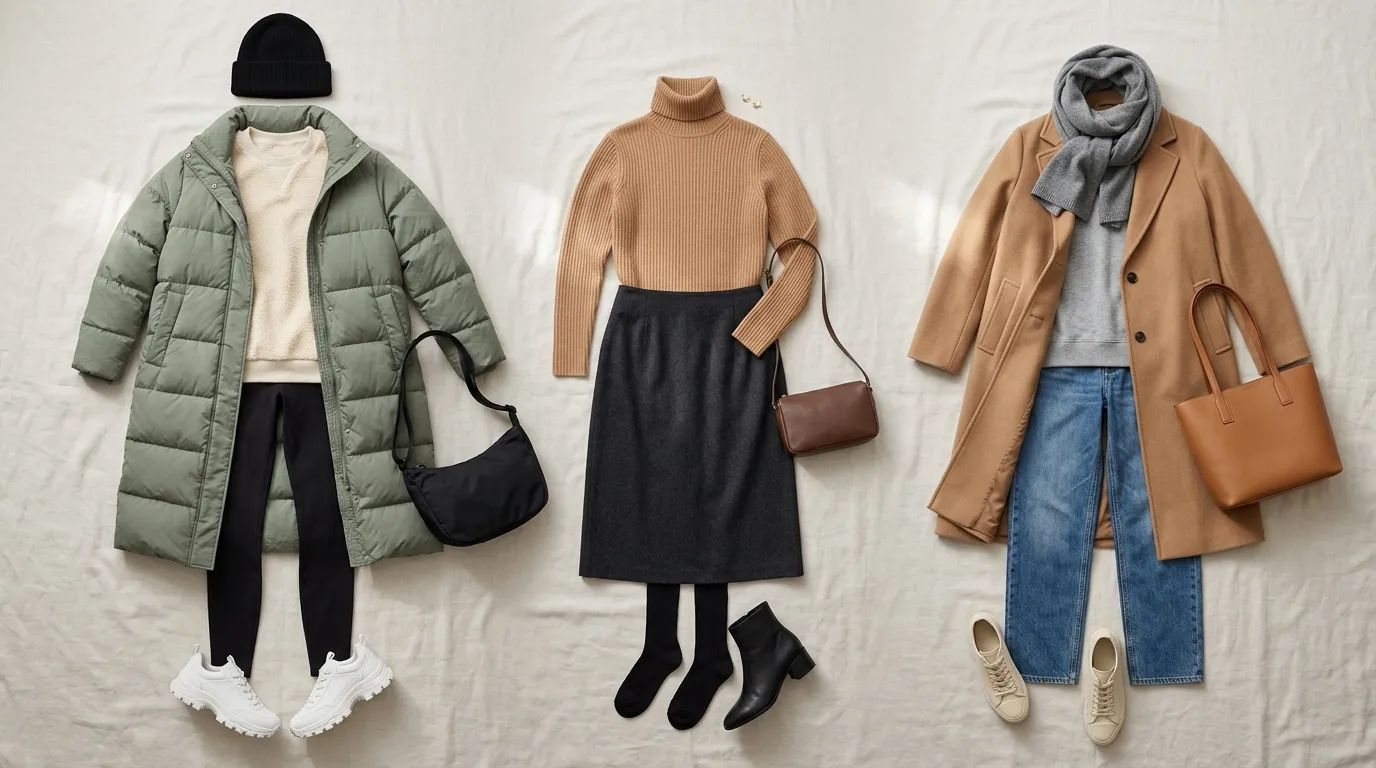
These fabrics are easy to find and easy to wear.
| Fabric | How It Drapes | Best For |
|---|---|---|
| Ponte knit | Smooth, structured, medium weight | Trousers, blazers, dresses |
| Jersey | Soft and fluid, light stretch | Tees, wrap tops |
| Crepe | Fluid with a matte finish | Blouses, wide-leg pants |
| Cotton poplin | Crisp, holds its shape | Button-ups with extra room |
Common Mistakes to Avoid
- Thin jersey with no slip or lining
- Stiff fabrics that stand away from the body
- Shiny, clingy knits at the midsection
- Buying from the photo instead of the fabric tag
Best For
- Everyday tops
- Work trousers
- Dresses for events
- Layering pieces
A Simple Rule to Remember
If it flows from your hand, it will flow on you.
3. Pick a Comfortable Rise and Waistband
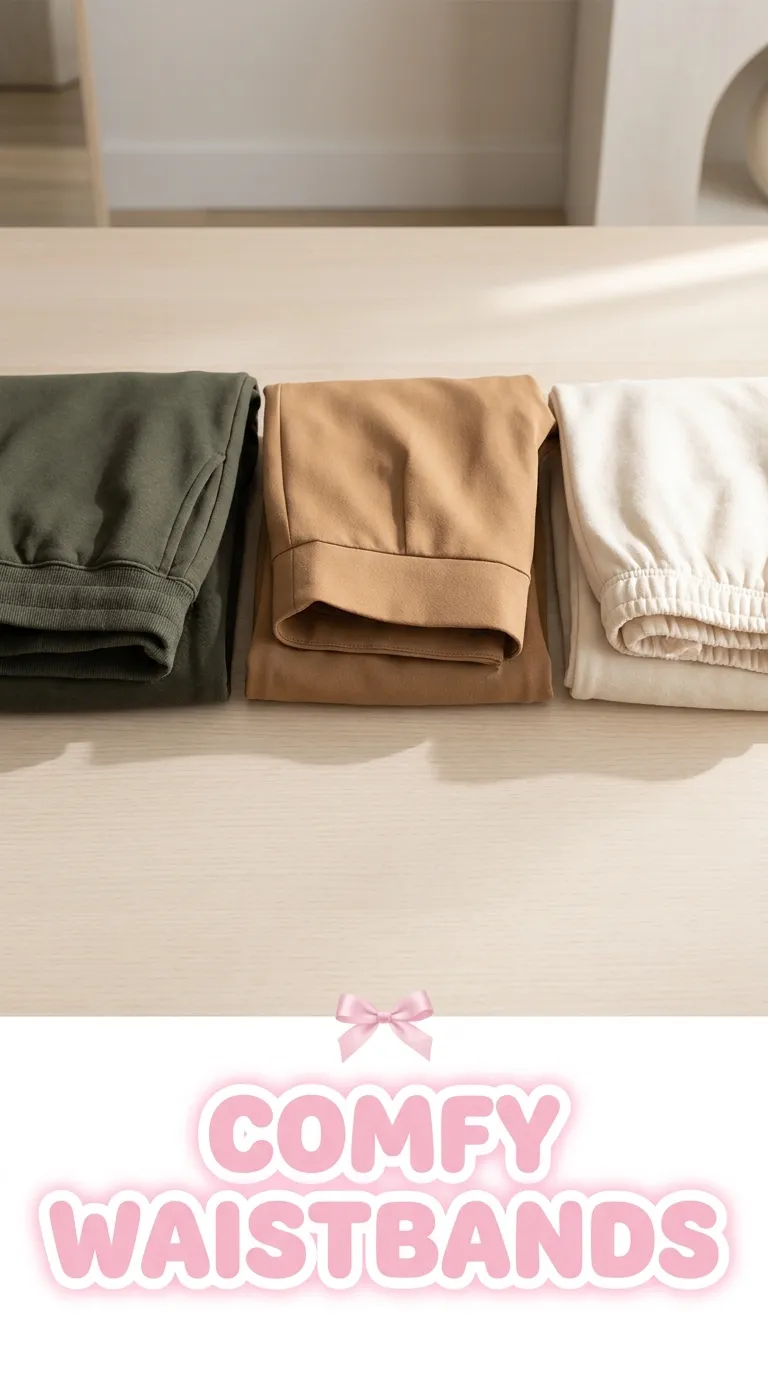
The waistband is where comfort is won or lost. A band that digs in at the belly is the quickest way to dread a pair of pants by lunchtime.
Rise is the distance from the crotch seam to the top of the waistband. Rise and band style together decide whether pants stay put and feel good when you sit.
How to Do It
- Start with a mid-rise, then try a high-rise to compare.
- Sit down in the pants and check how the waistband feels.
- Look for a wide, flat band or smooth elastic rather than a thin one.
- Check the back; the waistband shouldn't gap.
- Try the pants with a tucked top and an untucked top.
Why It Works
A wider band spreads pressure across more of the midsection, so it doesn't dig in. A rise that lands where you're comfortable stays put instead of rolling or sliding.
The trade-off: a high rise can feel snug when you sit for long stretches, and a very low rise can slip. Try both, and always sit.
What to Look For
Match the band to how you'll wear the pants.
| Waistband | Feels Like | Best For |
|---|---|---|
| Wide flat elastic | Soft, no pinch | Everyday, travel |
| Hidden elastic in back | Smooth front, flexible fit | Work trousers |
| Smooth wide band | Secure and supportive | Dressier pieces |
| Pull-on, no zipper | Easy and quick | Casual days |
Common Mistakes to Avoid
- Thin elastic that rolls over
- A low rise that digs when you sit
- Zipper and button with no stretch at all
- Skipping the sit-down test
Best For
- Long workdays
- Travel and flights
- Casual weekends
- Dressier events
A Simple Rule to Remember
Sit down in the pants before you decide.
4. Try a Half Tuck or a Front Tuck
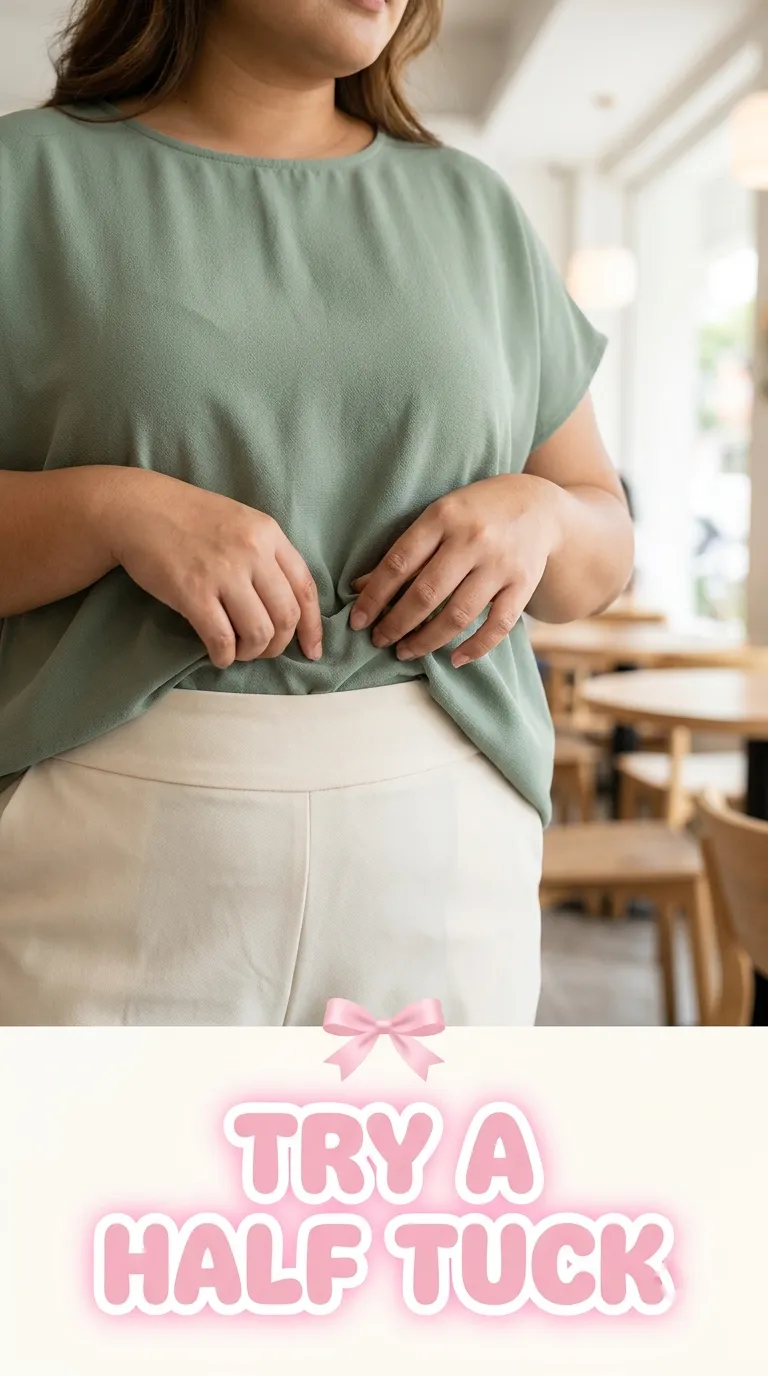
Tucking doesn't have to be all or nothing. A full tuck all the way around can bunch at the belly, and a fully untucked top can leave the waistline with no definition at all. A partial tuck sits right between the two.
A half tuck puts the front of the top into the waistband and leaves the sides and back loose. A front tuck secures just a few inches at center front.
How to Do It
- Start with a top that falls at least to the hip.
- Tuck the front center into the waistband.
- Let the sides and back fall loose.
- Pull a little fabric back out so it blouses softly over the band.
- Check the mirror from the side and adjust.
Why It Works
A partial tuck shows where your pants begin, which defines the waist area without clinging. It also breaks up a long stretch of fabric between top and bottom, so the outfit looks styled rather than simply worn.
The trade-off: the tuck can shift through the day, so plan a quick recheck. Bulky fabrics also add thickness at the band, so stick with light to medium weight.
What to Look For
- Light to medium-weight knits or crepe tops
- An even or gently curved hem
- Mid or high-rise bottoms with a smooth band
- A thin, soft belt, only if you like one
Common Mistakes to Avoid
- Tucking thick knits that bulk at the band
- Tucking the whole top in tightly
- Skipping the side-view mirror check
- Wearing a top too short to stay tucked
Best For
- Jeans and trousers
- Casual weekends
- Smart casual workdays
- Lighter tops under a jacket
A Simple Rule to Remember
Tuck only what stays smooth.
5. Add Long, Open Layers for a Clean Vertical Line
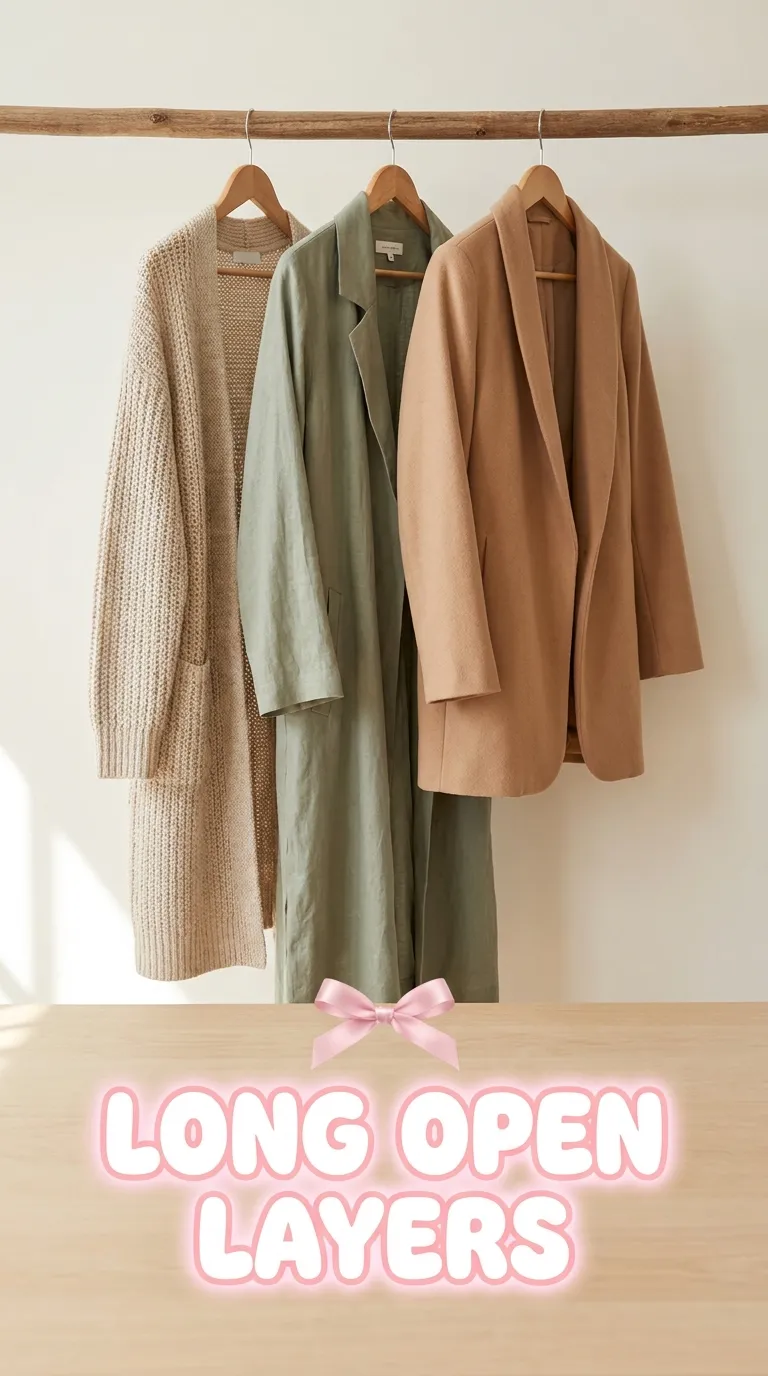
A long, open layer draws the eye along a vertical line from shoulder to hem. It frames whatever is underneath and adds structure without pressing on anything.

Think long cardigans, dusters, longer blazers, and open shirt-jackets. Any of them can turn a plain tee and pants into a finished outfit.
How to Do It
- Choose a layer that ends anywhere from mid-thigh to the knee.
- Wear it open, with the front hanging straight.
- Keep the top underneath light to medium weight.
- Pick soft, drapey fabric such as crepe, fine knit, or lightweight wool.
- Push the sleeves up to the forearm if they feel heavy.
Why It Works
A long open layer creates one continuous line from top to bottom, and the eye follows it. The fabric skims the midsection instead of pressing on it, so you stay comfortable while the outfit looks pulled together.
The trade-off: long layers can feel warm in summer and can catch on chairs and bag straps. In warm climates, choose lightweight fabrics.
What to Look For
- Shoulder seams that sit at the shoulder edge
- Sleeves with room to bend your arms
- Soft structure at the shoulder
- A hem that hangs level
- A front that stays open without strain
Common Mistakes to Avoid
- A layer that pulls across the back
- Bulky knits that feel heavy
- Buttoning a layer designed to hang open
- A hem that stops right at the widest point of the hips
Best For
- Work outfits
- Cooler weather
- Travel days
- Dressing up a tee and jeans
A Simple Rule to Remember
Let the layer hang open and let it move.
6. Finish With Shoes, Bags, and Accessories That Balance the Look
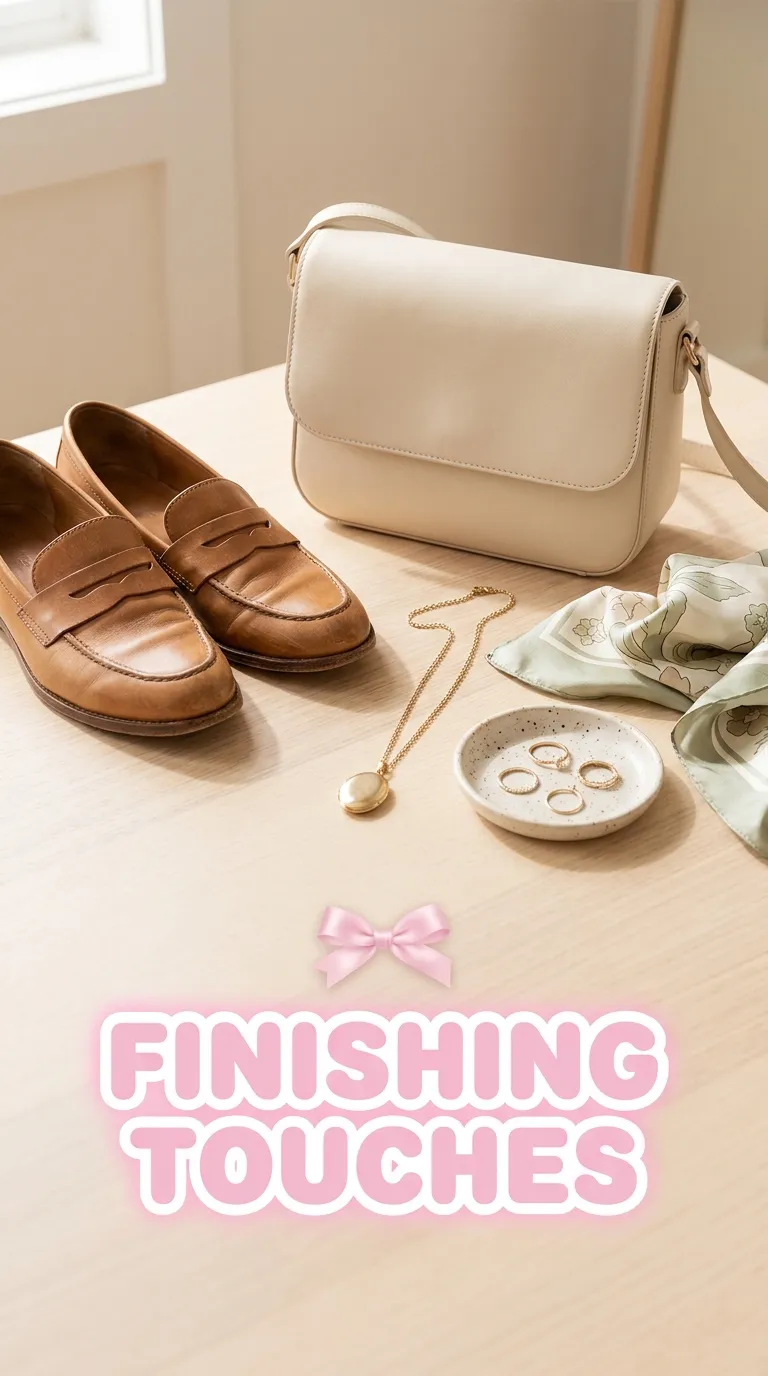
The last few details tie an outfit together. Shoes, a bag, and one or two accessories can balance proportions and guide the eye from face to feet.
You don't need many. A few well-chosen finishing touches do more than a pile of them.
How to Do It
- Start with comfortable shoes: cushioning, a stable heel, and room in the toe box.
- Choose a bag in a medium size, neither tiny nor oversized.
- Add one piece near the face, such as a long necklace, earrings, or a scarf.
- Stop at one or two accessories.
- Match your metals and tones so the outfit reads as one look.
If you have foot pain, check with your doctor or a podiatrist before choosing shoes.
Why It Works
Accessories near the face and at the feet frame the outfit, and a bag in proportion keeps everything in balance. A long pendant also adds a vertical line, which echoes an open layer.
The trade-off: scarves wrinkle, and leather bags need a little care. Comfort comes first, because a look you can't walk in all day isn't worth wearing.
What to Look For
Pick a few from this list rather than all of them.
| Accessory | Best For | How to Wear It |
|---|---|---|
| Long pendant | Adding a vertical line | Over a V-neck or open collar |
| Statement earrings | Framing the face | Pair with a simple neckline |
| Medium shoulder bag | Everyday balance | Carry at the hip or forearm |
| Light scarf | Adding color near the face | Loose knot or soft drape |
Common Mistakes to Avoid
- Tiny bags that look out of scale
- Shoes with no cushioning
- Too many accessories at once
- Heels you can't walk in all day
Best For
- Finishing a simple outfit
- Work and meetings
- Evening events
- Everyday errands
A Simple Rule to Remember
Pick one focal point and keep the rest simple.
Quick Plus Size Style Cheat Sheet
| Rule | Why It Works | Quick Fix |
|---|---|---|
| Fit the widest point | Fabric skims instead of pulling | Size up, then tailor |
| Choose drapey fabric | Falls and moves with you | Check stretch and weight |
| Comfortable rise and band | Pressure spreads, pants stay put | Sit down before buying |
| Half or front tuck | Defines the waist area softly | Tuck only what stays smooth |
| Long open layers | Creates one clean vertical line | Wear it open, mid-thigh to knee |
| Balanced finishing touches | Frames the outfit, face to feet | Pick one focal point |
The Principles Behind These Rules
Fit Comes Before Everything Else
A well-fitting basic beats an expensive piece that pulls. Fit sets the line for everything that follows: how fabric drapes, how a tuck sits, how a layer hangs. Start there, and the other five tips get easier.
Fabric Weight Changes the Line
Medium-weight fabric with drape follows the body gently. Very thin cloth shows every seam, and very stiff cloth stands away from you. The same cut can look completely different in ponte than in crepe, so judge the fabric as carefully as the shape.
Proportion Is About Balance, Not Size
Proportion is the relationship between top, bottom, and layer. A looser top with a more fitted bottom, or a fitted top with wide-leg pants, creates a pleasing contrast. Nothing needs to shrink; each piece just needs a counterpart.
Comfort Is the Thread Through These Fashion Tips for Plus Size Women Over 40
If you're adjusting a waistband all day, the outfit isn't working, however it looks in the mirror. Comfort is practical: you move more freely, you stand taller, and you wear the piece more often.
Common Mistakes Worth Skipping
Buying Sizes Based on the Number, Not the Fit
Sizing varies widely between brands, and the tag tells you very little. Buy the size that fits your widest point comfortably, and ignore the number.
Choosing Stiff or Clingy Fabrics
Both extremes work against comfort. Stiff cloth stands away from the body and clingy cloth follows every line, while a medium-weight drapey fabric moves with you. Do the hand-drop and stretch tests before you buy.
Skipping Tailoring on Pieces You Love
A small alteration, such as a taken-in shoulder or a shortened hem, can turn a good piece into a great one. If you love a piece and it's nearly right, it is worth the tailor visit.
Final Tips for Success
Try Things On With Movement
Sit, reach, walk, and climb a stair or two in the fitting room. A piece that feels fine standing still can pinch the moment you move.
Tailor the Pieces You Wear Most
Put your tailoring effort into the pieces you reach for weekly: trousers, a go-to blazer, a favorite dress. Small adjustments pay off every time you wear them.
Wardrobe Basics Worth Owning
- Well-fitting tees and lightweight knits
- Mid-rise trousers with a smooth, wide band
- A drapey open cardigan or duster
- A soft blazer in a neutral color
- Comfortable flats or low-heeled shoes with cushioning
- A medium shoulder bag
Keep Notes on What Feels Right
When something fits well, note the brand, the cut, and the fabric in your phone. That list will speed up your next shopping trip and cut down on returns.
Conclusion
Good style at any size starts with clothes that fit the body you have today. Fit the widest point first, choose fabric with drape, and keep the waistband comfortable.
From there, a half tuck, a long open layer, and a couple of well-chosen finishing touches do the rest. None of it asks you to change your body.
These fashion tips for plus size women over 40 are meant to be mixed and matched. Try one or two this week, see how they feel, and keep what works.
Save this guide for the next time you're standing in a dressing room wondering what to try next.
Comments
✎ Write a commentCommunity Guidelines
We love hearing what you think. Please keep comments about the article itself, stay kind and helpful to other readers, and leave out personal details or links. Every comment is checked before it appears.