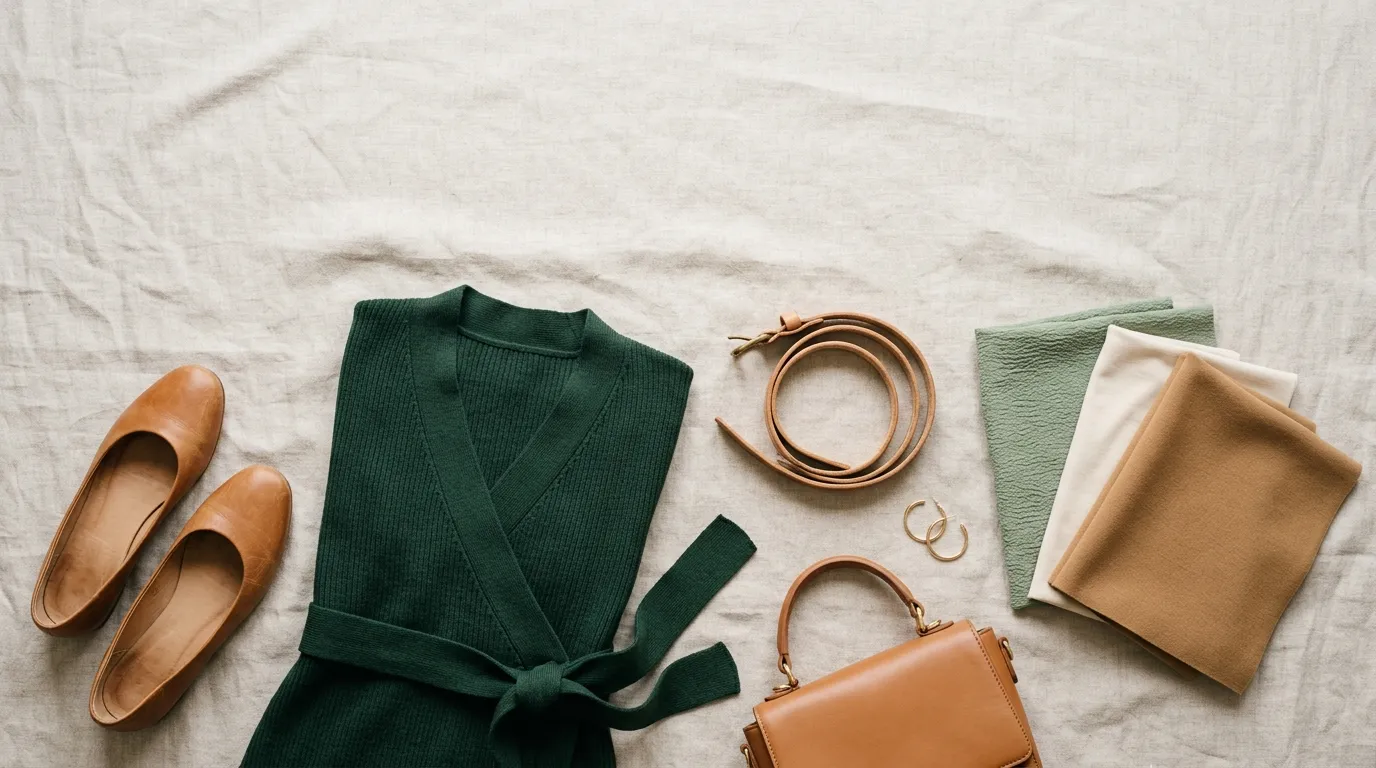

Flattering Dress Shapes That Work for Plus Size Women Over 40 — You pull a dress off the rack and it looks perfect on the hanger. Then the fitting room mirror tells a different story: the waist lands in the wrong place, the fabric clings where you wanted it to skim, and you can't quite say why. Finding flattering dress shapes for plus size women over 40 is rarely about the number on the tag. It comes down to where a dress places its seams and how the fabric moves.
What you need is a short list of shapes you can recognize on sight, a clear reason each one works, and honest notes on where it falls short. That way you can shop, or look through your own closet, with a plan instead of guesswork.
I've organized this guide into eight rules, each built around one dress shape or one detail that changes how a dress sits. Take what suits your life and leave the rest.
1. Start With a Wrap Dress That Defines the Waist
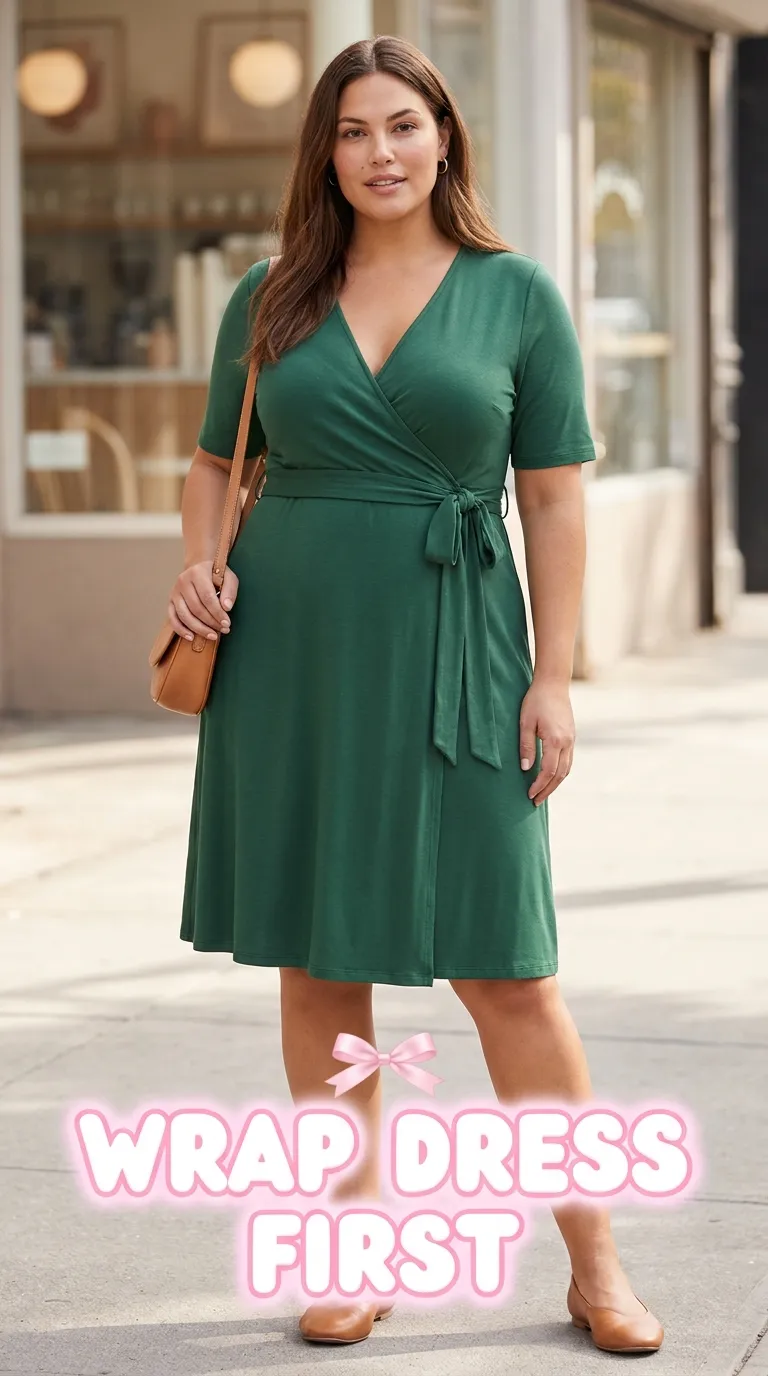
A wrap dress is one of the easiest shapes to start with, because the closure adjusts to you instead of the other way around. The tie sits at your natural waist, the crossover front forms a V-neckline, and the skirt falls in soft gathers or a gentle A-line.
That adjustability matters when your bust, waist, and hips don't match a standard size chart. You set the fit at the waist yourself, which is why a wrap often feels more comfortable than a dress with a fixed waistline.
How to Do It
- Find your natural waist by bending sideways, since the crease that forms marks the spot
- Choose a wrap with a true crossover bodice and a tie, snap, or button at that point
- Tie it snug enough to stay put, but not so tight that the fabric pulls
- Raise your arms and check that the V stays flat instead of gaping
- Add a slim camisole underneath if you want extra coverage at the neckline
Why It Works
The waist tie marks a clear line between the bodice and the skirt, so the dress has a defined shape without needing a fitted cut. The V-neckline draws the eye in a vertical line, and the skirt's drape adds movement as you walk.
What to Look For
- Fabric with drape, such as jersey, crepe, or a soft viscose blend
- A full overlap in the bodice so the front stays closed
- A hidden snap or hook at the crossover point
- A hem that falls at the knee or just below
Common Mistakes to Avoid
The usual trouble spots are a neckline that gapes and a tie that slides loose. A small hidden snap at the crossover fixes both, and it's a quick job for a tailor or a needle and thread at home. Very thin or slippery fabrics can show every line underneath and let the tie drift, so check the care label and feel the fabric before you buy.
2. Choose an A-Line Dress That Skims Instead of Clings
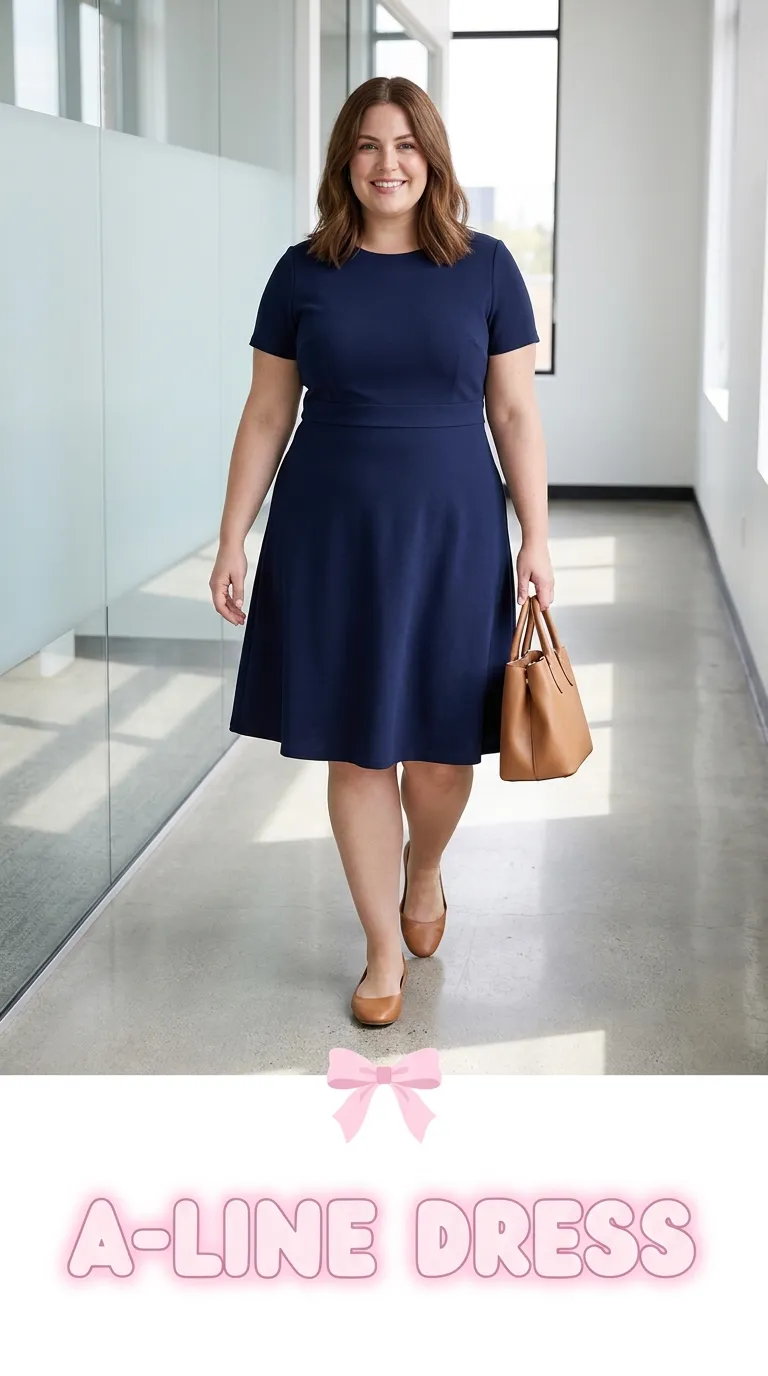
An A-line dress fits close through the shoulders and bust, then widens gently from the waist, or from just under the bust, toward the hem. The skirt doesn't cling, so it moves on its own as you walk, sit, and reach.
That makes it a dependable shape for long days. The fit work happens in the top half, and the skirt takes care of itself.
How to Do It
- Start with the shoulders and bust, since those are the hardest areas to alter later
- Look for a waist seam, or a seam just under the bust, where the dress begins to widen
- Check that the skirt falls from that seam without pulling across the hips or stomach
- Sit down, then walk a few steps, and notice whether the fabric moves freely
- Confirm the hem lands at the knee or just below
Why It Works
An A-line gives a clean, balanced shape: fitted at the top, easy at the hem. Because the skirt flares gradually, it skims the hips and thighs instead of gripping them, and the hemline keeps a steady, even line.
What to Look For
- Medium-weight fabric with some body, such as ponte, cotton sateen, or crepe
- A lining, or a fabric opaque enough to move cleanly over the legs
- Side seam pockets that lie flat
- A moderate flare, not a skirt so full that it stands away from the body
Best For
- Office days
- Church or Sunday brunch
- Family gatherings
- Travel days
3. Try Fit-and-Flare When You Want Movement
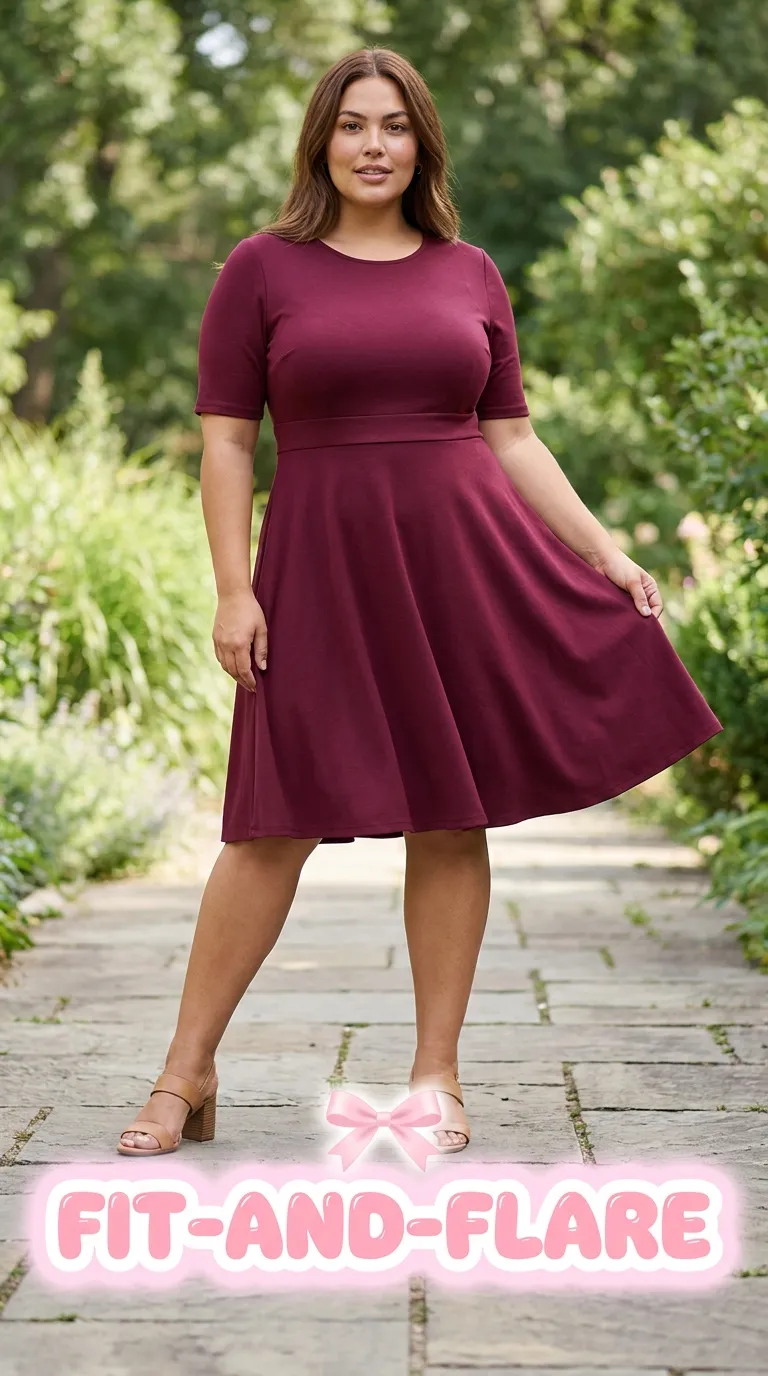
Fit-and-flare is a close cousin of the A-line, with one clear difference: the bodice is fitted, the waist seam is defined, and the skirt flares out with more swing. It's the dress for days when you want to feel the skirt move.
The trade-off is volume. A full skirt adds fabric at the hips, so the bodice fit and the way the skirt falls decide whether this shape works for you. Soft, drapey fabric tends to fall in folds, while stiff fabric stands out from the body.
How to Do It
- Try the bodice first, and check that it fits smoothly through the bust and ribcage without pulling at the zipper or buttons
- Place the waist seam at your natural waist
- Choose a skirt with a controlled flare that falls in soft folds
- Walk, turn, and sit to see how the skirt behaves
- Check the back view, where the zipper and waist seam should lie flat
Why It Works
The fitted upper half gives the dress structure, and the waist seam sets the proportion. The flared skirt adds room through the hips and thighs, so you can move, climb stairs, and sit comfortably. It's also an easy shape to dress up with heels or down with flats.
Common Mistakes to Avoid
Watch for a waist seam that sits too low, which can shorten the bodice and throw off the proportion. Skip very stiff or very full skirts, since extra volume at the hip can overwhelm the shape. And test the bodice while seated: if it rides up or pulls, try a different cut.
A Simple Rule to Remember
If the bodice fits and the skirt moves freely, the dress is doing its job.
4. Use an Empire Waist for Comfort Through the Midsection
An empire waist dress puts its seam just under the bust, and the skirt falls loosely from there. That leaves the midsection free of fabric pressure, which makes it one of the most comfortable shapes for warm days, long meetings, and big family meals.
The trade-off is that the dress doesn't mark your natural waist, so the proportion comes from the seam, the neckline, and the hem. The seam placement decides everything: too low and the dress reads as shapeless, too high and it pulls at the bust.
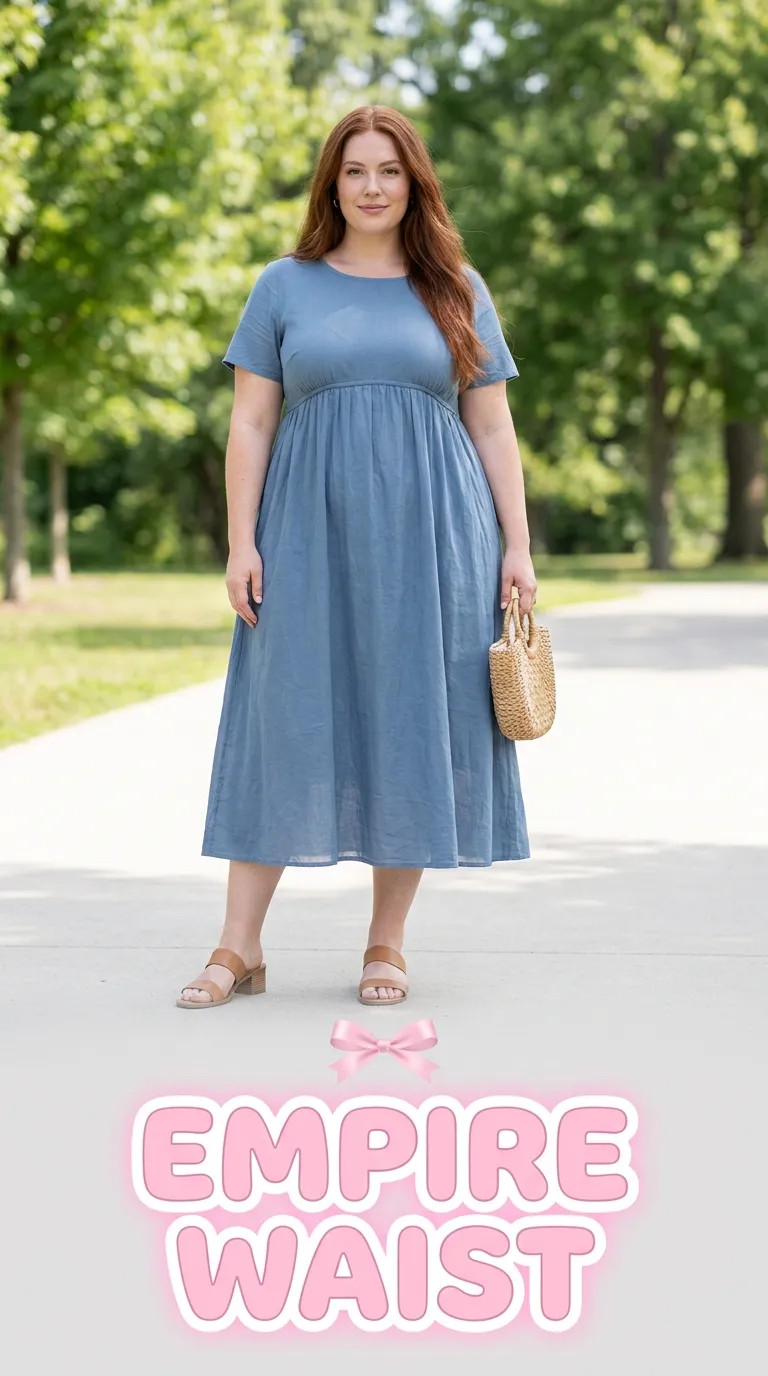
How to Do It
- Locate the line directly under your bust, where a bra band sits
- Choose a dress whose seam lands on or just above that line
- Check that the bodice lies smooth over the bust without pulling at the seam
- Let the skirt fall straight, then confirm it clears your hips with room to move
- Pick a knee or midi hem so the length balances the high seam
Why It Works
The high seam creates a clear break near the top of the dress and sends a long vertical line from the seam to the hem. The skirt flows away from the body, so nothing presses at the stomach or waist when you sit, bend, or breathe deeply.
What to Look For
- A firm, slightly stretchy band at the seam that stays put
- Lightweight fabric with drape, such as cotton voile, crepe, or jersey
- Enough bust room that the seam doesn't pull
- Sleeves or straps that stay in place without tugging
Best For
- Warm-weather days
- Garden parties and weddings
- Long days of sitting or travel
- Casual weekends
5. Add a Belt to a Shirt Dress for Structure
A shirt dress is a button-front dress with a collar, and on its own it can hang straight from the shoulders. Add a belt and it gains shape. It's a classic that works from weekend errands to the office.
The trade-off is fit at the bust, where buttons can gape. Fit the bust and shoulders first, then belt the waist. A belt also asks for a little fiddling each time you dress.
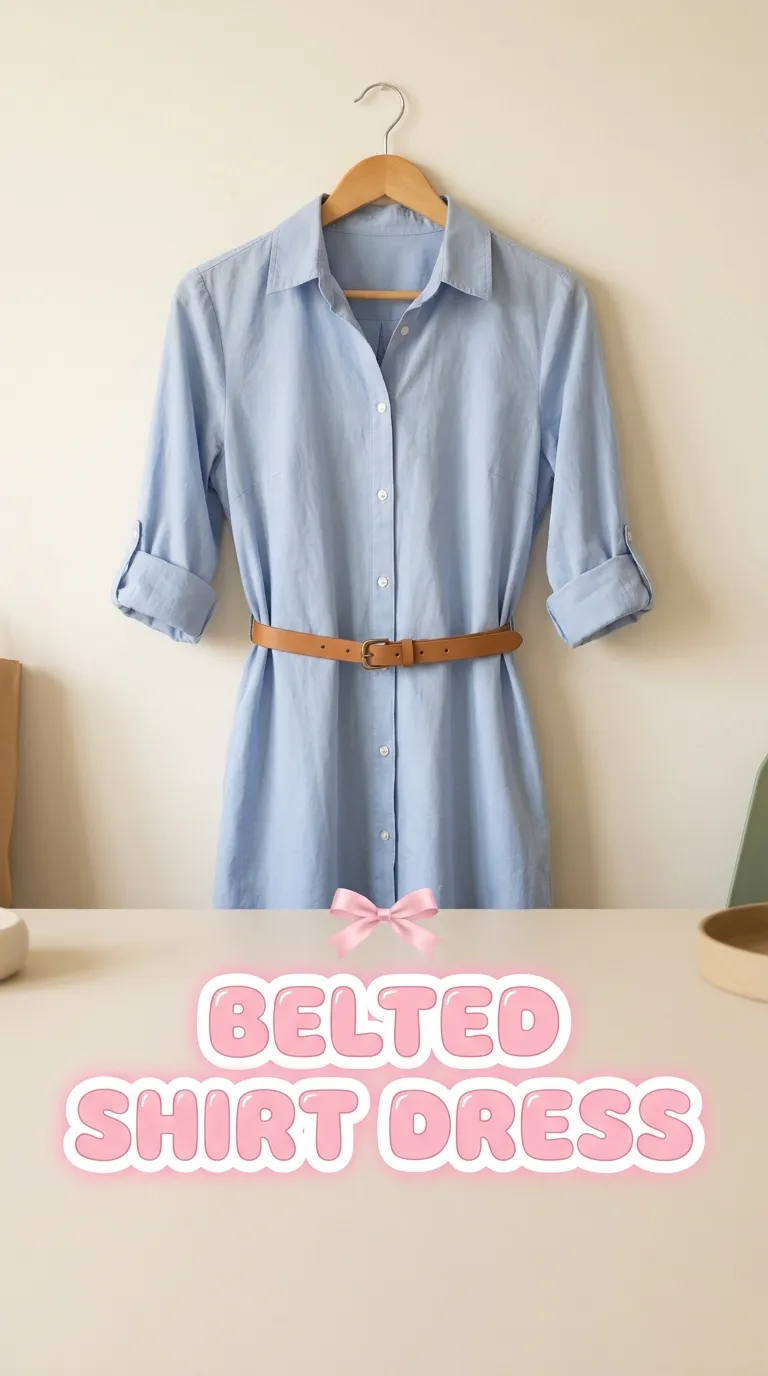
How to Do It
- Pick a shirt dress that buttons smoothly over the bust without gaping
- Choose a belt 1 to 1½ inches wide, in leather or a sturdy fabric
- Place the belt at your natural waist, over the dress, not down at the hip
- Adjust the fabric above the belt so it blouses slightly and lies smooth
- Leave the top button open and roll the sleeves for an easy line
Why It Works
The belt marks the waist and turns a straight cut into a defined shape. The collar and button placket add vertical lines, and a crisp cotton or lyocell-style fabric holds its structure instead of clinging.
Common Mistakes to Avoid
A belt worn too low pulls the proportion out of balance, and a very wide, stiff belt can dig in when you sit. If the buttons gape at the bust, a small snap between them or a camisole underneath solves it. Cotton and linen blends wrinkle, so expect some steaming or ironing, and check the care label.
Best For
- Weekend errands
- Casual office days
- Travel days
- Autumn afternoons
6. Pick a Shift Dress in a Structured Fabric
A shift dress hangs straight from the shoulders with no waist seam. The shape is simple, so the fabric has to do the work: in a thin or clingy knit, a shift follows every line, while in a structured fabric it holds its shape and skims.
A shift won't define the waist on its own. If you want that line, add a belt or a long open jacket.
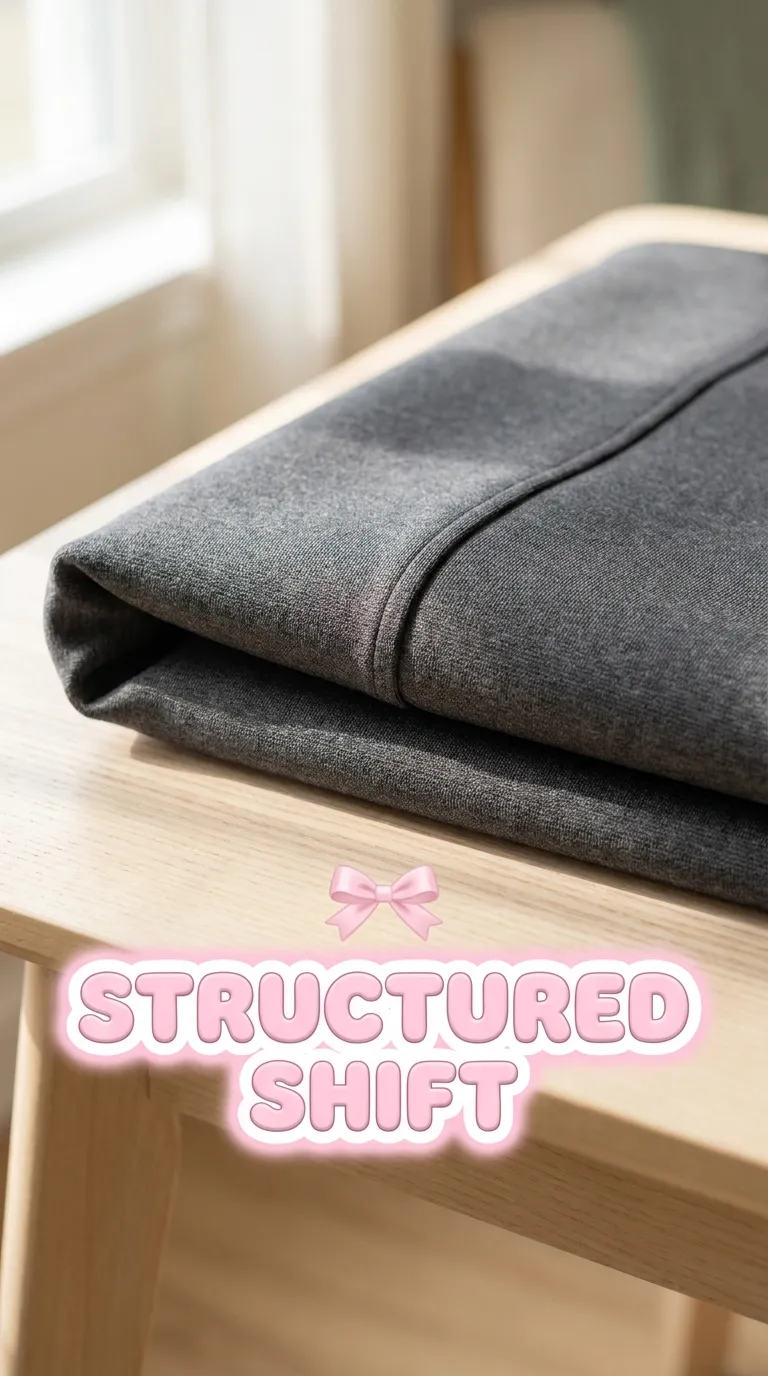
How to Do It
- Feel the fabric between your fingers, since it should have some weight and recover when pinched
- Check the shoulders and bust first, because the straight cut hangs from there
- Look at how the dress falls over the stomach and hips, where it should skim without pulling
- Make sure the armholes let you lift your arms comfortably
- Choose a hem at the knee or just below
Why It Works
Structured fabric holds a clean line from shoulder to hem, so the dress skims the body instead of clinging to it. The simple shape also pairs easily with belts, cardigans, and jackets.
What to Look For
This quick checklist works in a store or when you read a product description.
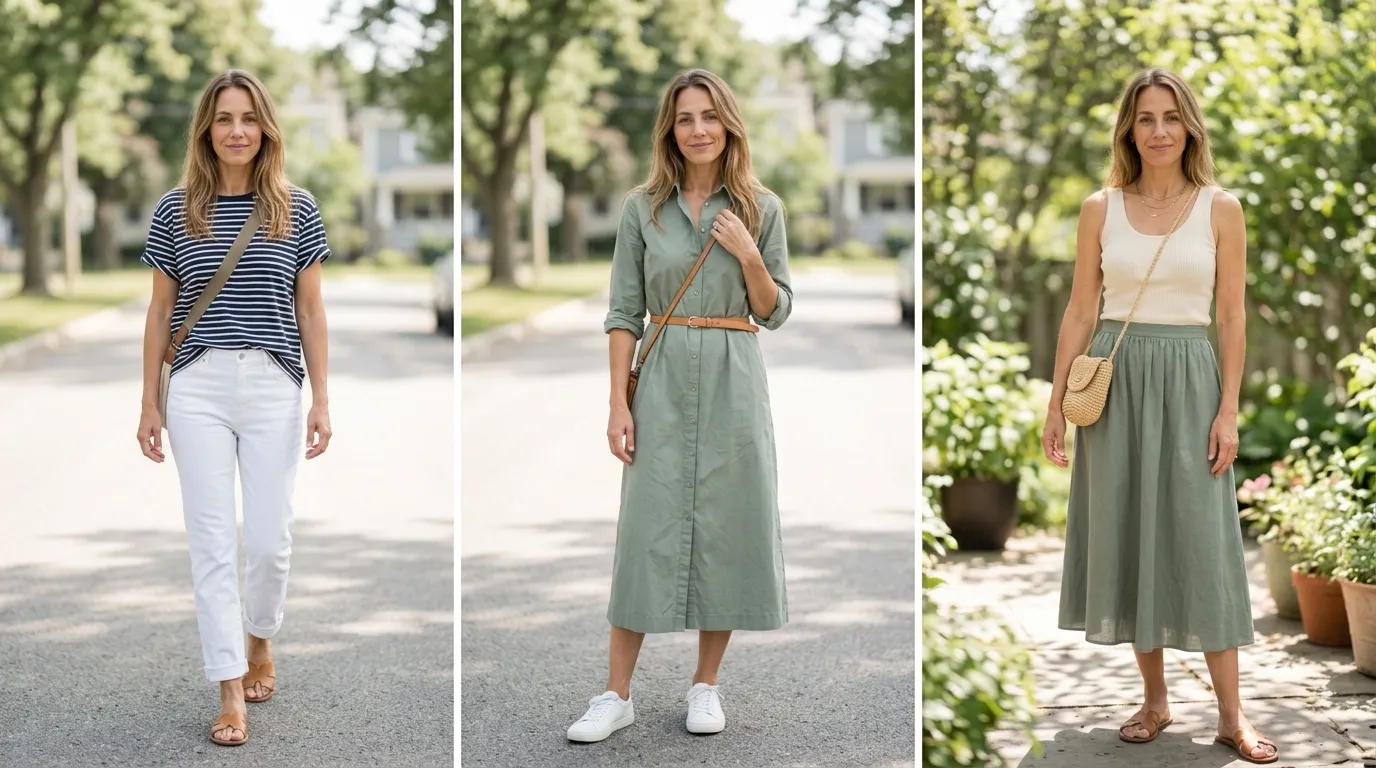
| Check | What to Look For | Quick Test |
|---|---|---|
| Weight | Medium weight with some body | Hold it up; it shouldn't be see-through |
| Stretch | Gentle stretch that recovers | Pull and release; it springs back |
| Lining | Smooth lining or opaque fabric | Hold to light, check for show-through |
| Seams | Flat, even seams, no puckering | Run a finger along the seam |
Common Mistakes to Avoid
Thin jersey is the usual culprit: it clings and can show undergarment lines. Skipping the sit test is the other one, since a shift that looks smooth standing can pull when you sit. Structured fabrics can need gentler care, so check the label before you commit.
7. Match the Hem Length to Your Proportions
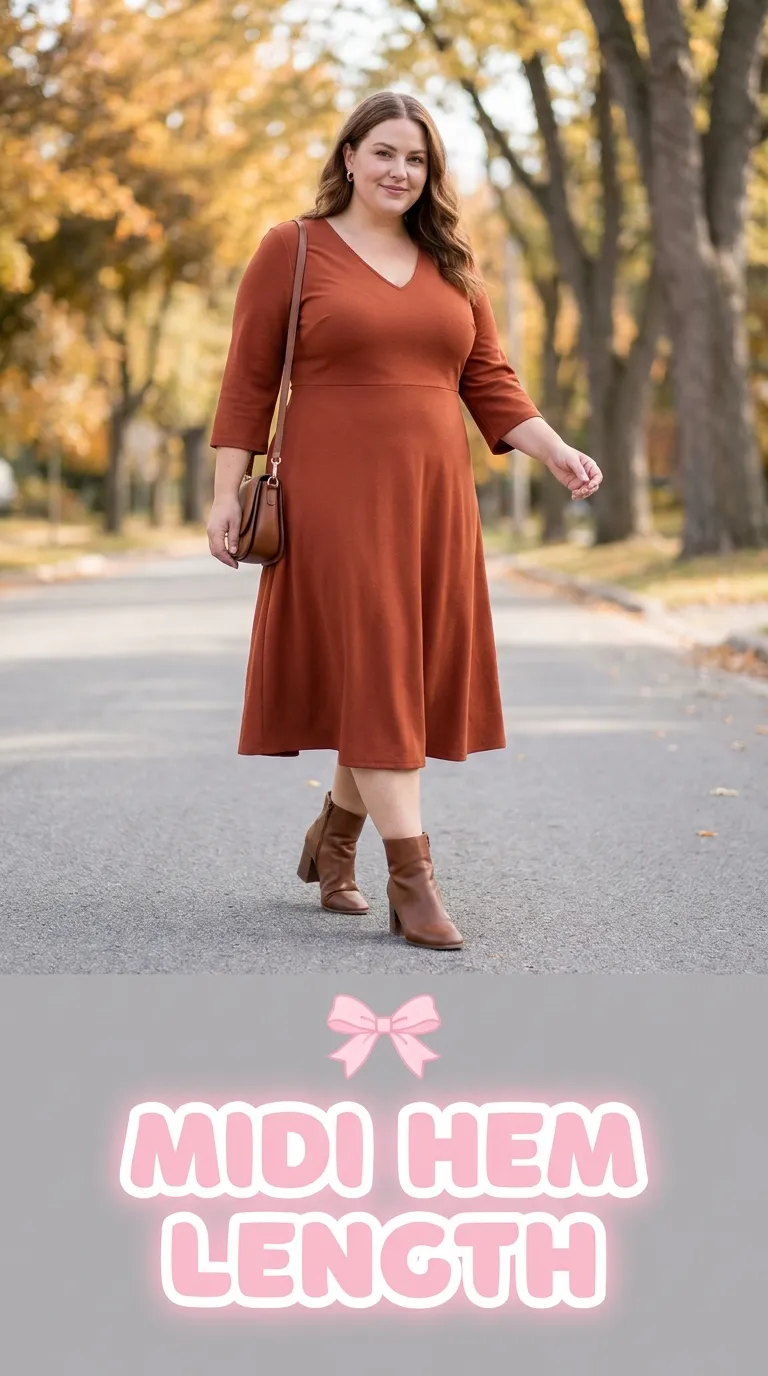
The hem decides where the eye pauses, and it changes how the whole dress reads. Two dresses in the same shape can feel completely different at the knee and at mid-calf.
Shoes matter here too. A hem that works with flats can look different with heels, so judge the length in the shoes you plan to wear.
How to Do It
- Stand in the shoes you plan to wear, since heel height changes where the hem lands
- Try the hem at the knee, just below the knee, and mid-calf, and compare
- Look from the side and the back as well as the front
- Choose a length that lets you walk and climb stairs without holding the skirt
- Ask a tailor to adjust the hem if it's close but not quite right
Why It Works
A hem that ends at a narrow point of the leg, such as just below the knee or at the narrowest part of the calf, creates a clean line. A length that matches your shoes keeps the leg line continuous instead of broken up.
What to Look For
Use this table as a starting point, then trust what you see in the mirror.
| Hem Length | Works Well With | Why |
|---|---|---|
| Knee | Flats, low heels, ankle boots | Keeps the leg line clear |
| Midi | Boots, block heels, loafers | Gives easy coverage and movement |
| Maxi | Wedges, flat sandals, sneakers | Creates one long vertical line |
Best For
- Office days at the knee or just below
- Dinners and weddings in a midi
- Warm-weather weekends in a maxi
- Travel days in a length that clears stairs
8. Balance the Dress With Neckline and Sleeves
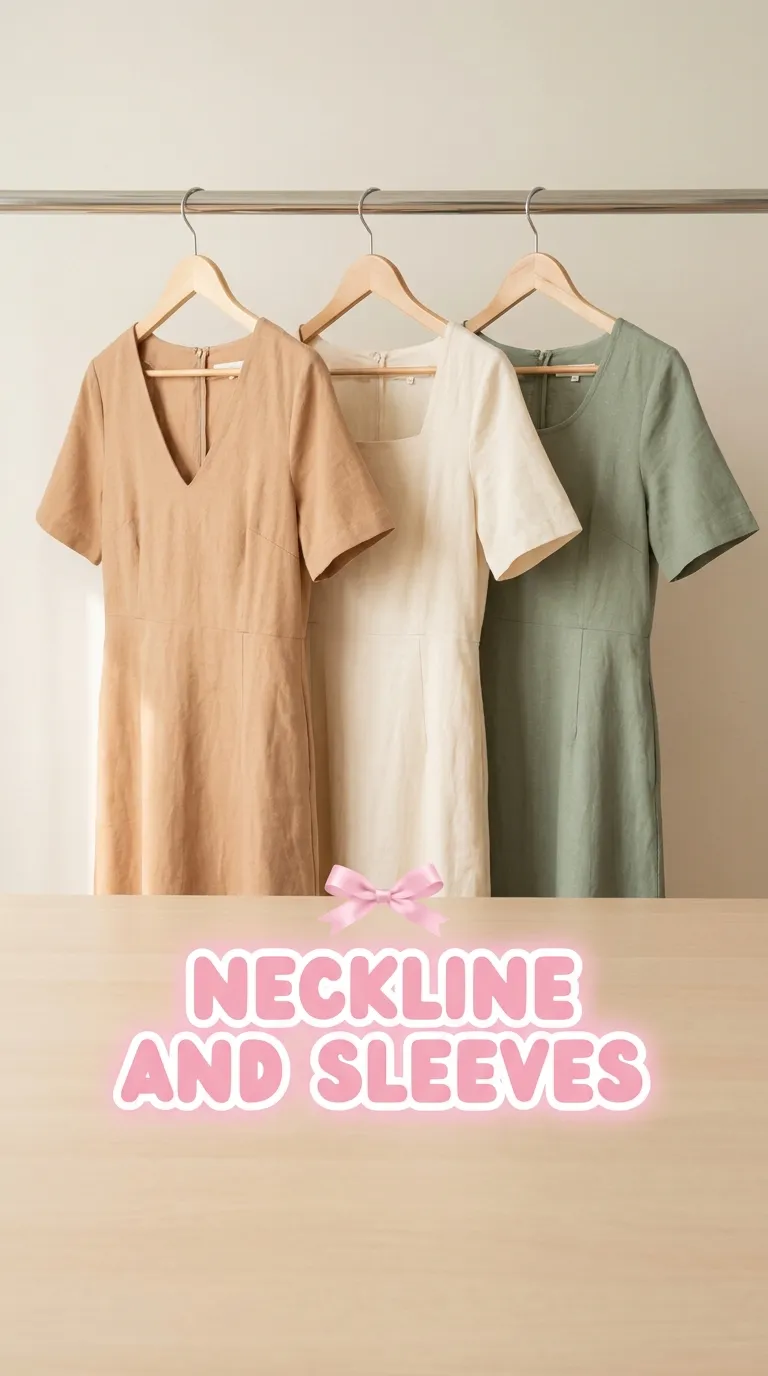
Once the shape and hem are right, the neckline and sleeves finish the job. They frame your shoulders, set the proportion at the top of the dress, and decide how comfortable the dress feels through the arms.
Choose the neckline that feels easy at your shoulders and bust, then match the sleeve to the season and your comfort. Coverage is a personal call, so use whatever length of sleeve feels right to you.
How to Do It
- Start with the neckline that feels most comfortable across your shoulders and bust
- Match it to the dress shape, such as a V-neck with a wrap or a square neck with fit-and-flare
- Decide on sleeves: sleeveless, cap, elbow, or three-quarter
- Check the armholes and sleeve openings, since you should lift your arms without the dress riding up
- Add earrings or a necklace that suits the neckline
Why It Works
The neckline draws the eye to the top of the dress, so it sets the first impression of the shape. Sleeves finish the silhouette and add coverage where you want it. When both sit comfortably, you stop adjusting them all day.
What to Look For
Here's how four common necklines compare.
| Neckline | Works Well With | Why |
|---|---|---|
| V-neck | Pendants, open collars | Adds a vertical line |
| Square neck | Short necklaces, studs | Frames shoulders and collarbone |
| Scoop neck | Layered chains, scarves | Soft, open, easy to layer |
| Boat neck | Stud earrings, hair up | Draws the line across the shoulders |
A Simple Rule to Remember
If the neckline has detail, keep the sleeves simple, and the other way around.
Quick Dress Shapes Cheat Sheet
| Dress Shape | Best For | Style It With |
|---|---|---|
| Wrap Dress | Adjustable waist definition | Tan flats, light cardigan |
| A-Line Dress | Office and family events | Loafers, structured bag |
| Fit-and-Flare | Parties and movement | Block heels, short jacket |
| Empire Waist | Warm days, all-day comfort | Sandals, long necklace |
| Belted Shirt Dress | Errands, casual office days | Ankle boots, slim belt |
| Structured Shift | Work, simple polished looks | Open blazer, flats |
| Hem Length | Matching length to shoes | Boots, block heels, flats |
| Neckline and Sleeves | Framing the shoulders | Earrings or pendant to match |
The Principles Behind These Rules
Why Flattering Dress Shapes Start at the Seam
Every shape in this guide starts with where the seam sits: at the natural waist, under the bust, or not at all. The seam sets the proportion between top and skirt. Once you know where a dress places it, you can predict how the dress will look before you try it on.
Fabric Weight and Drape
Fabric decides whether a shape skims or clings. Medium-weight fabrics with a little body, like ponte or crepe, hold a line. Soft drapey fabrics, like jersey or viscose, move with you. Very thin fabrics can follow every line, so look for weight or a lining.

Balancing Top and Hem
Think of the dress as two halves. If the top is fitted, give the skirt some movement. If the skirt is full, keep the bodice clean. A hem that matches your shoes completes the balance.
Comfort Through Shoulders, Bust, and Arms
These are the areas that are hardest to alter, so fit them first and adjust the rest. If a dress pulls at the shoulders or bust, no waist or hem change will fix it. If the arms feel snug when you reach, try a different cut.
Common Mistakes Worth Skipping
Buying Only by the Size Tag
Sizes vary between brands and between shapes, so the tag is only a starting point. Fit through the shoulders, bust, and where the dress sits at the waist matters more than the number. Try on two sizes when you can.
Skipping the Sit-Down Test
A dress can look smooth standing and pull when you sit. Sit, reach, and walk in it before you commit. If you have to hold it in place, it won't be worn.
Skipping Tailoring
A hem, a strap, or a waist adjustment can turn a close fit into a good one. If a dress is almost right, a tailor can often handle the rest.
Final Tips for Success
Try Dresses On With the Shoes You Plan to Wear
Shoes change the hem length and the proportion of the whole look. Bring or wear the pair you'll actually use.
Do the Move-and-Sit Test
Raise your arms, sit down, walk a few steps, and bend. A good dress stays comfortable through all four.
Build a Small Dress Rotation
You don't need many. Three or four shapes that fit well will cover most occasions and seasons.
Wardrobe Basics Worth Owning
- A wrap dress in a drapey fabric
- A structured A-line or shift in a neutral color
- A slim leather belt in brown or black
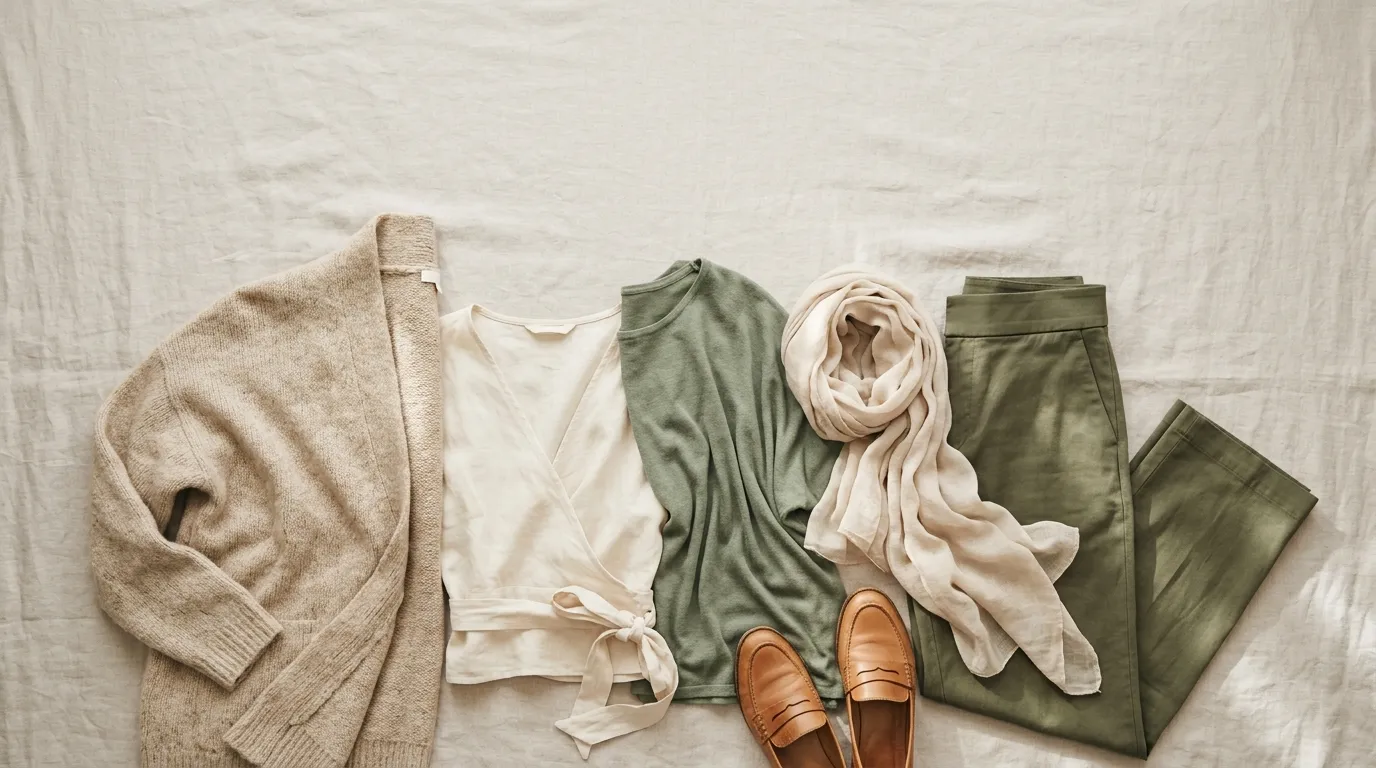
- A lightweight cardigan or long open blazer
- Comfortable flats and a low block heel
- A smooth camisole or slip for under thin fabrics
Conclusion
The best dress shape is the one that fits through the shoulders and bust, moves with you, and suits how you actually spend your day. You don't need to follow every rule here. Pick the one or two shapes that feel most like you and start there.
The common thread across flattering dress shapes for plus size women over 40 is fit, fabric, and proportion. When those three line up, the dress works without any tricks.
Try one new shape this season, check the fit with the sit-down test, and see how it feels. If a dress is almost right, a tailor can often finish the job.
Save this guide for the next time you're in a fitting room.
Comments
✎ Write a commentCommunity Guidelines
We love hearing what you think. Please keep comments about the article itself, stay kind and helpful to other readers, and leave out personal details or links. Every comment is checked before it appears.