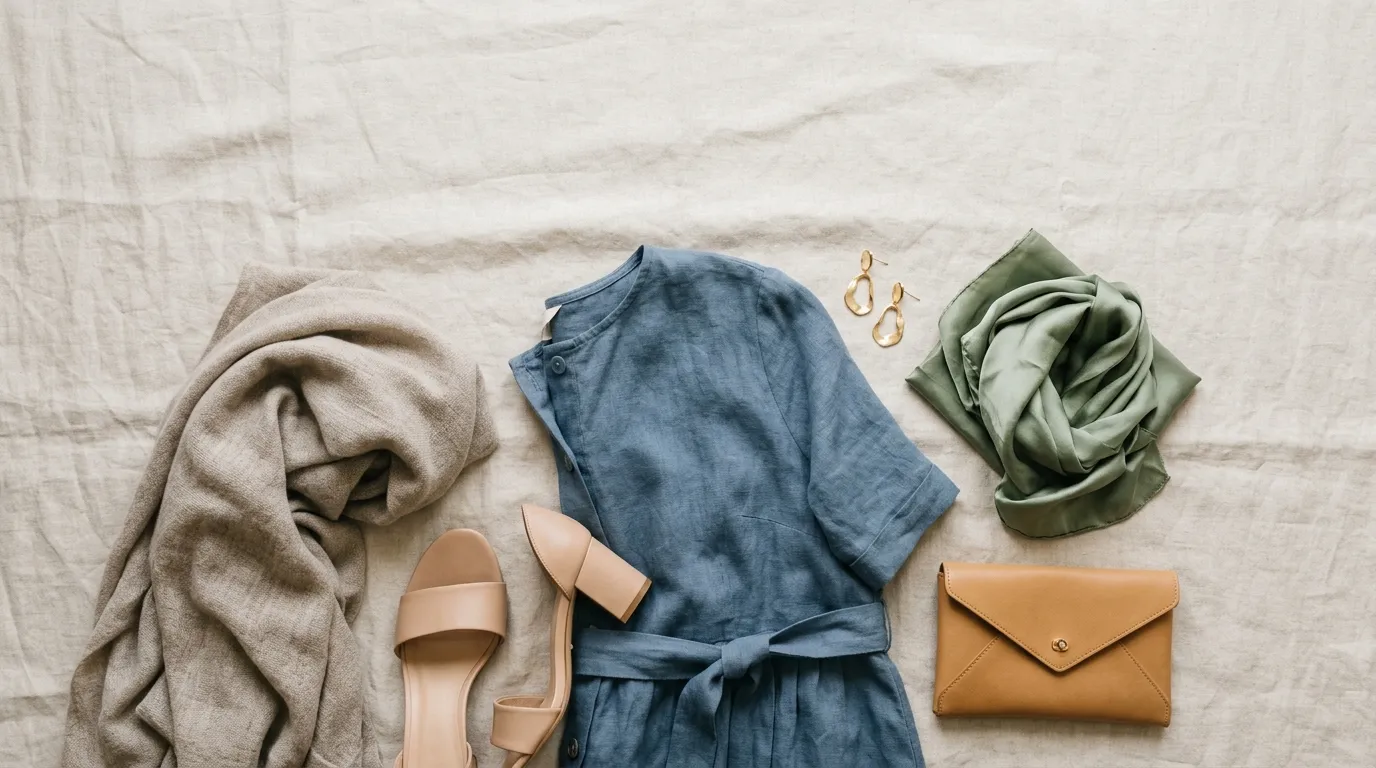

What to Wear to a Wedding Guide for Women Over 40 — The invitation lands on the counter, and within a minute you are standing in front of the closet. Everything is almost right. The dress is a little too casual, the other one is a little too dark, and the "cocktail attire" line on the card does not help.
Figuring out what to wear to a wedding does not need a new wardrobe. It needs a clear order of decisions: the dress code first, then color, fit, fabric, shoes, and the finishing touches. Once those are settled, the outfit mostly chooses itself.
I put these eight steps in the order I would follow them myself. Work through them once, and you will have a look that suits the couple, the venue, and your own comfort for a long day.
1. Read the Invitation Before You Shop
The invitation tells you more than the date and the address. The wording, the start time, and the venue all point toward the outfit before you open a single shopping tab.
I treat it like a short brief. A few minutes of reading can keep you from buying a dress that is lovely in the closet but wrong for the day.
How to Do It
- Find the dress code line, or the wording near it, such as "formal," "cocktail," or "garden party"
- Check the start time, since an evening ceremony usually asks for more formality than a morning one
- Note the venue: indoor, outdoor, religious, beach, or ballroom
- Check the date and the usual weather for that location
- Look at the wedding website, if there is one, for notes on terrain, dress, or colors to avoid
If the invitation gives no dress code, match the formality of the venue and the time of day. When in doubt, ask the couple or someone close to them. A quick text is better than guessing.
Why It Works
Dress code, time, and venue are the three signals that set the tone of the day. Reading all three keeps you inside the couple's plan, and it narrows your shopping to a handful of realistic options instead of a closet full of maybes.
Common Mistakes to Avoid
- Shopping from the date alone
- Treating a missing dress code as permission to dress casually
- Ignoring the venue, such as heels on a lawn or bare shoulders in a place of worship
- Reading "optional" in "black tie optional" as "skip the formality"
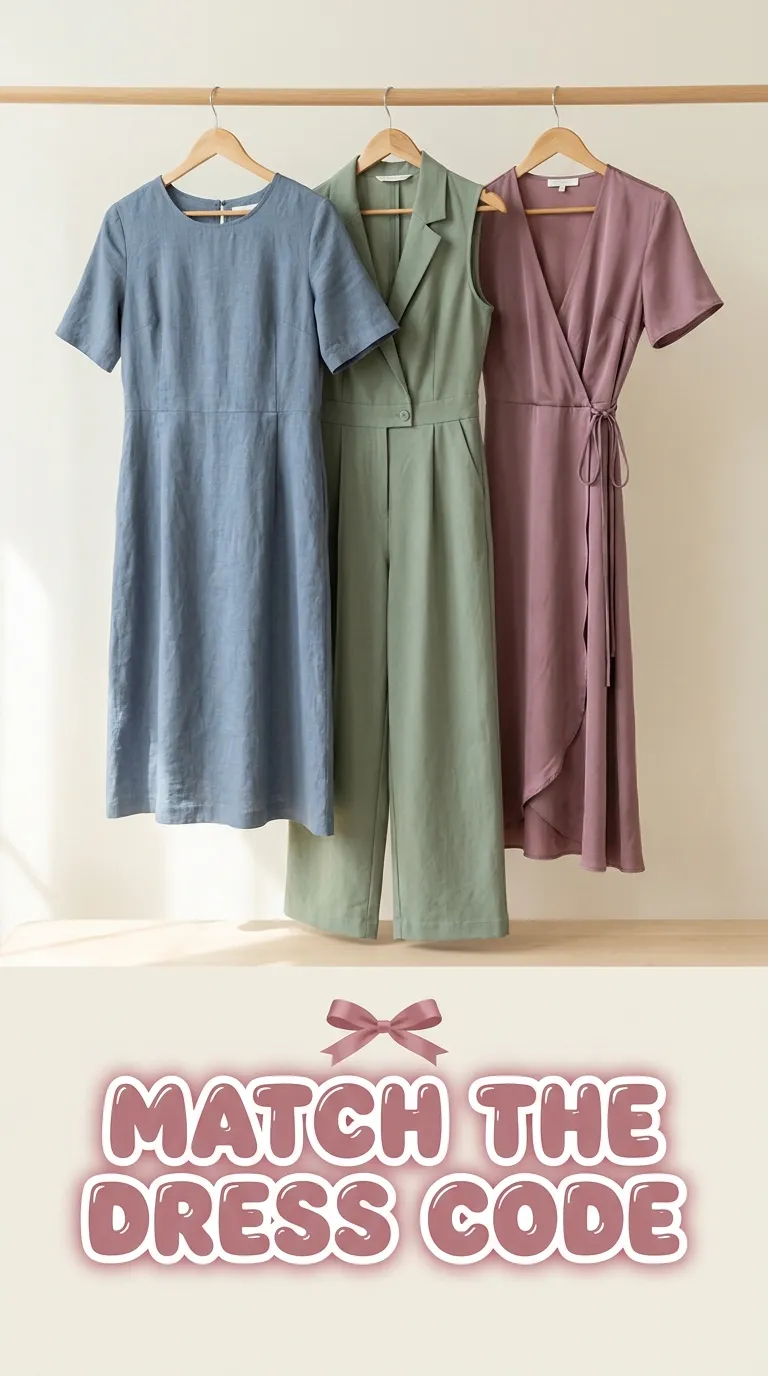
2. Match the Dress Code to the Venue
Dress codes sound clear until you try to picture them. "Cocktail" and "semi-formal" overlap, and "dressy casual" means something different at a vineyard than it does at a hotel.
The simplest approach is to pick a length and a fabric weight first, then adjust for the setting.
How to Do It
- Identify the dress code on the invitation
- Choose the length that matches it, from floor-length for the most formal to a midi or knee-length for most others
- Pick a fabric weight that suits the setting: more structure and sheen for evening, lighter and softer for daytime
- Adjust for the venue, with block heels outdoors and a covered neckline or shoulders where the ceremony is religious
Dress Code Decoder
This table translates the most common dress codes into outfit directions.
| Dress Code | What It Means | Outfit Direction |
|---|---|---|
| Black Tie | Formal evening, floor-length | Long gown or formal jumpsuit |
| Black Tie Optional | Formal, with some flexibility | Long dress or elegant midi |
| Cocktail | Dressy, not floor-length | Midi dress or dressy jumpsuit |
| Semi-Formal | Polished day or evening | Midi dress or tailored separates |
| Dressy Casual | Relaxed but put together | Wrap dress or silk blouse with trousers |
Why It Works
A dress code is really a statement about formality. When you match the length and fabric to that level, the details such as color and accessories only have to support it.
Best For
- Garden or vineyard ceremonies
- Church or cathedral services
- Ballroom or hotel receptions
- Beach or waterfront weddings
- Courthouse or city hall ceremonies
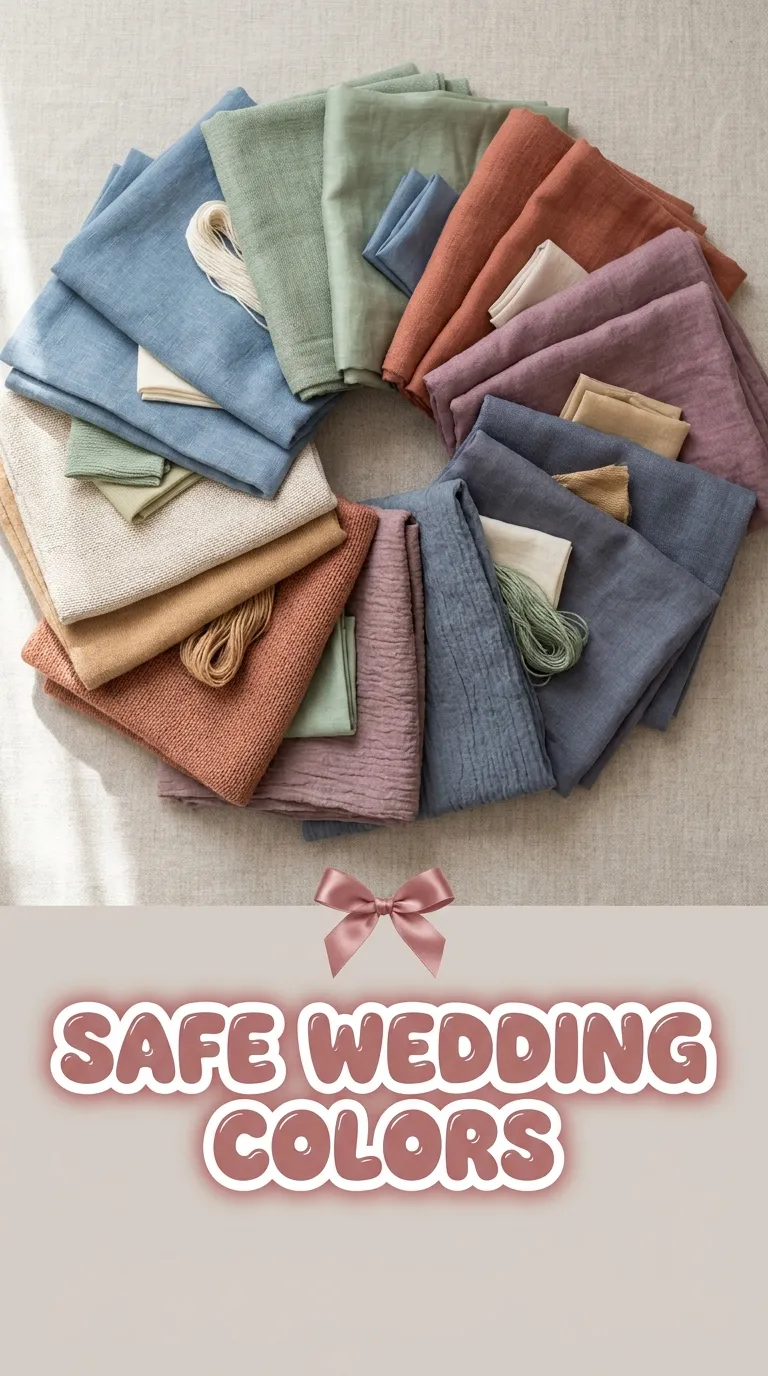
3. Choose Safe Wedding Colors That Still Feel Like You
Color is where most guests worry the most, and it is also the easiest step to simplify. A few shades are widely safe, and a few are best saved for someone else's wedding.
The goal is a color you enjoy wearing that never competes with the couple.

How to Do It
- Hold a few shades near your face in daylight and see which ones feel comfortable
- Start with soft, muted colors such as sage, dusty blue, mauve, or terracotta
- Check the invitation or wedding website for a stated palette, and avoid it if the couple asks
- Try your top two choices with the shoes and bag you plan to wear
Color Starting Points
This table gives a simple starting palette by undertone, plus bolder shades worth trying on first.
| Undertone | Colors That Work | Colors to Test First |
|---|---|---|
| Warm | Olive, terracotta, warm taupe | Rust, deep teal |
| Cool | Dusty blue, slate, soft lavender | Emerald, berry |
| Neutral | Sage, mauve, soft blue-gray | Burgundy, deep green |
Why It Works
Muted, medium-depth shades photograph softly and blend into most wedding palettes. They also let your accessories and fabric do the finishing work, so you do not need a bold print to look put together.
Common Mistakes to Avoid
- Wearing white, ivory, or pale champagne, which can read as bridal
- Matching the wedding party's colors when they are known
- Choosing black without checking the dress code, since it can feel heavy for a daytime summer ceremony
- Buying a color you love in the store but have never tried near your face in daylight
4. Get the Fit and Hemline Right
A beautiful dress that does not fit your day will bother you by the second hour. Wedding outfits get tested in ways everyday clothes do not: you sit through a ceremony, stand for photos, hug a lot of people, and probably dance.
So fit is about movement as much as looks. A quick test at home tells you more than the mirror alone.
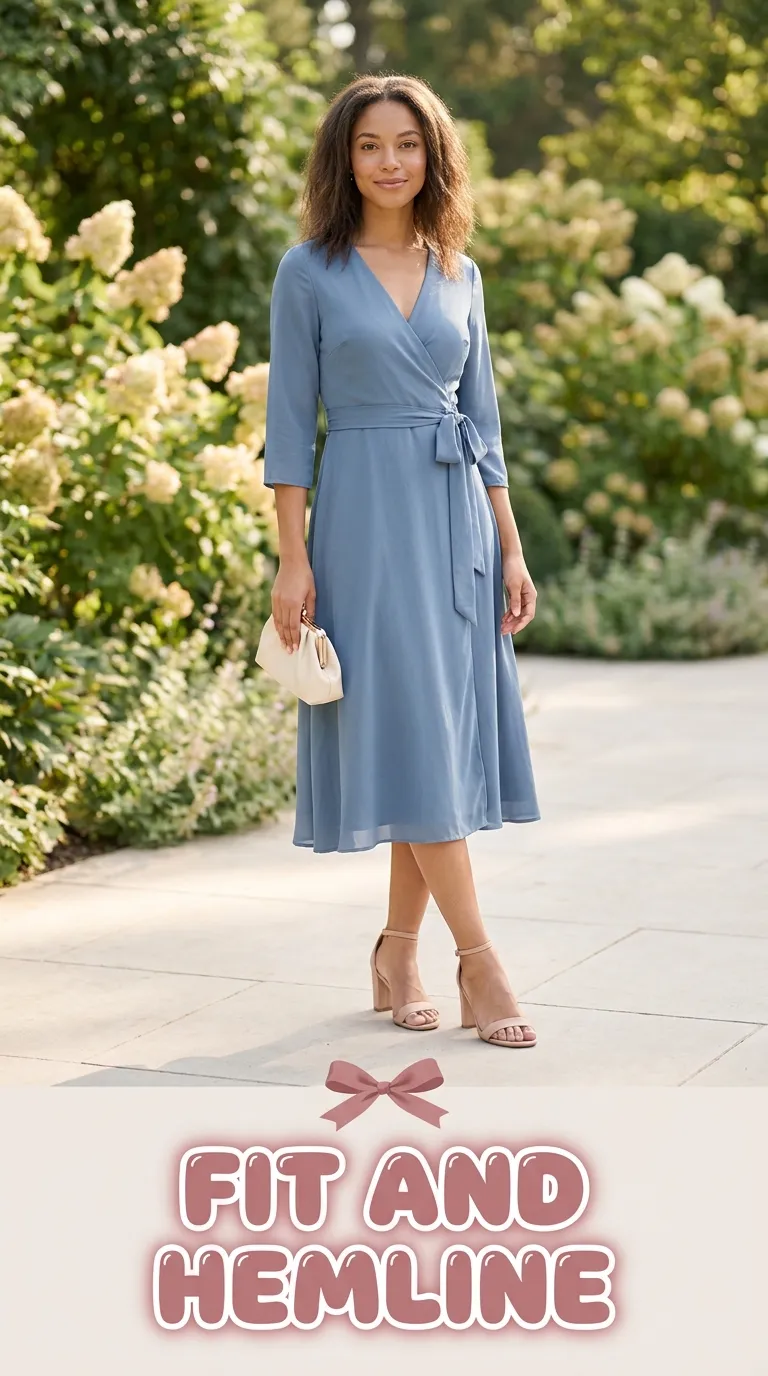
How to Do It
- Put on the full outfit, including the shoes and any shapewear or layers you plan to wear
- Sit down for a few minutes and check that the hem stays where you want it and nothing pulls at the waist
- Walk across the room and check that the skirt moves easily without catching
- Lift both arms and reach forward, as you would for a hug or a toast
- Check the back view in a mirror, or ask someone to take a photo
If something fails the test, a tailor can often fix a hem, a strap, or a waist. Plan the alteration at least two weeks before the wedding so it is not a last-minute scramble.
Fit Check
Use this table as a quick checklist when you try on your outfit.
| Area | What a Good Fit Looks Like | Sign It's Off |
|---|---|---|
| Shoulders | Seams sit at the shoulder edge | Seams slip down or pull tight |
| Bust and Waist | Fabric lies smooth with room to breathe | Pulling, gaping, or digging in |
| Hemline | Clears the ground when you walk | Drags, or rides up when seated |
| Arms | Sleeves allow a full reach | Armholes pinch when lifting arms |
Why It Works
Clothes that fit your movement let you stop thinking about them. A hem that stays put and a waist that does not dig in mean you can focus on the people around you, not on adjusting your dress.
A Simple Rule to Remember
If you cannot sit, hug, and walk comfortably in it, it is not the right outfit for a wedding, however good it looks standing still.
5. Choose Fabrics That Last All Day
Fabric decides how an outfit looks at hour five, not just at the first photo. A dress can look perfect in the fitting room and still wrinkle badly after a long car ride and a two-hour ceremony.
The right fabric holds its shape, moves with you, and handles the weather.
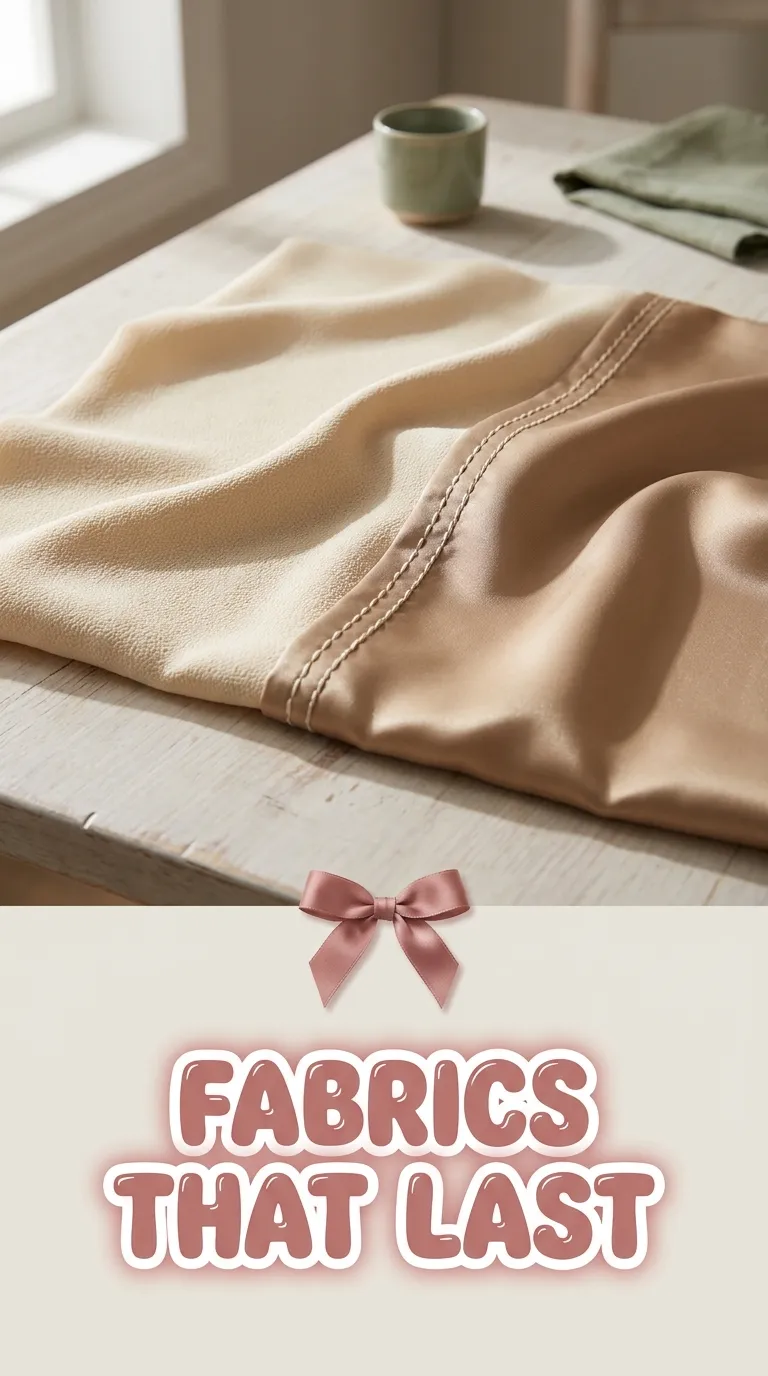
How to Do It
- Choose the fabric weight for the season and the venue before you choose the style
- Squeeze a corner of the fabric in your hand for a few seconds, then see how much it wrinkles
- Hold it up to a light to check if it is see-through, and look for a lining in skirts and light layers
- Read the care label so you know what the fabric asks of you, such as steaming or dry cleaning
What to Look For
- Medium weight with some body
- Matte satin, crepe, or soft jersey with good drape
- Lining in skirts and sheer layers
- Quick recovery after being crushed in your hand
- Breathable fibers for warm venues and outdoor ceremonies
Why It Works
A fabric with a little weight falls cleanly and keeps its line when you sit and stand. It also gives the outfit a polished look without extra effort, which matters when you will not be able to check a mirror all day.
Common Mistakes to Avoid
- Choosing linen for a formal evening without accepting that it will wrinkle
- Wearing thin silk where water spots or perspiration marks would show
- Picking a heavy velvet or thick knit for a warm venue
- Skipping the lining and finding out the dress is see-through in bright light
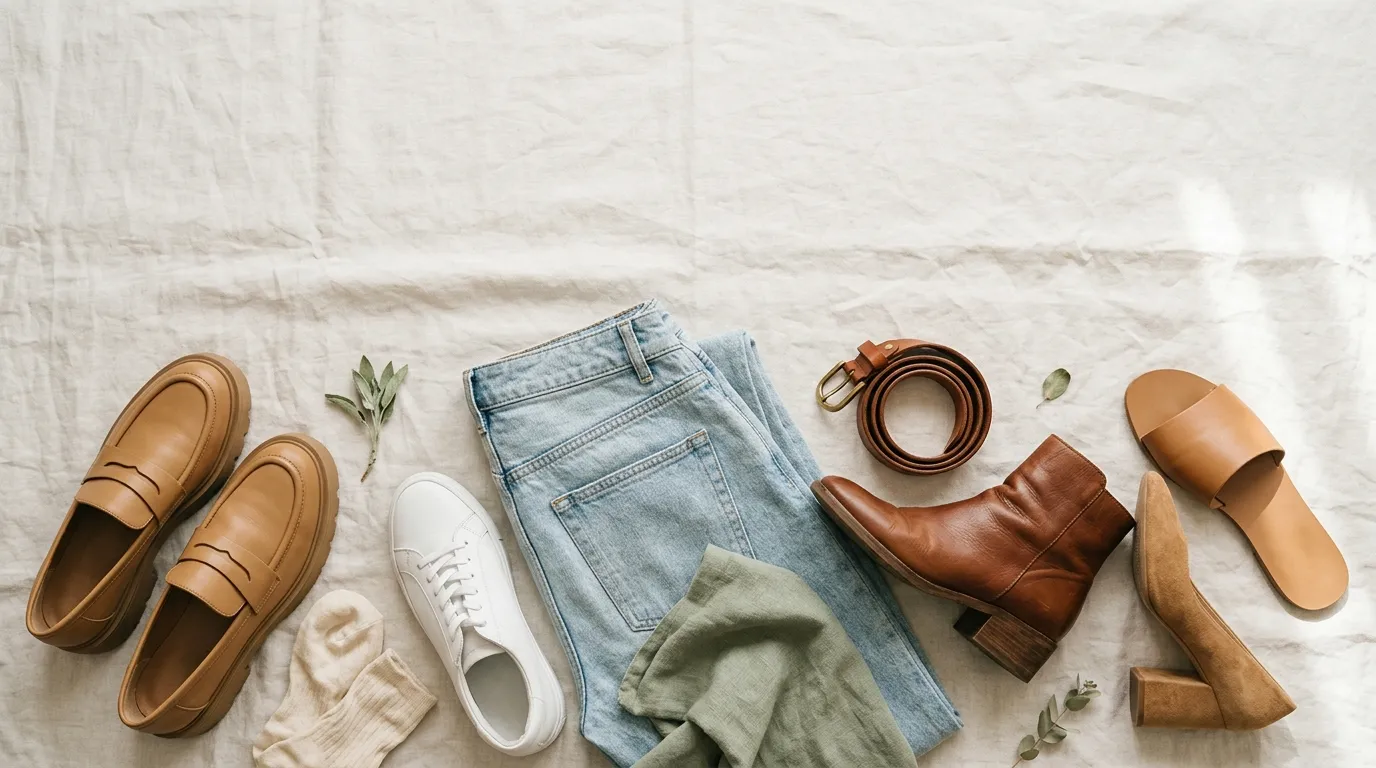
6. Pick Shoes You Can Dance In
Shoes can make or break the whole day. You may be standing on grass, climbing stairs, or crossing a dance floor, and you will likely be wearing them for many hours.
I would choose the shoe for the surface and the length of the day first, then match it to the outfit.
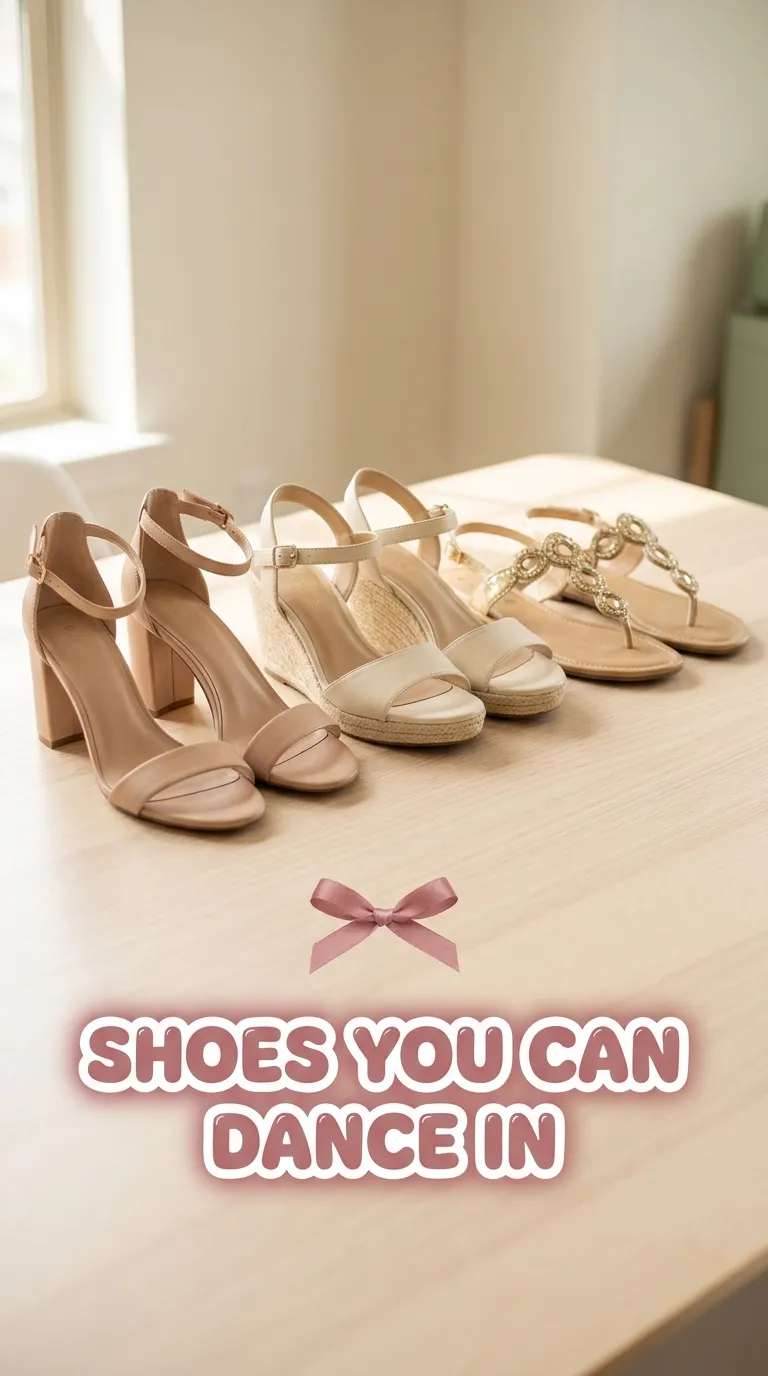
How to Do It
- Find out the surface: grass, sand, stone, hardwood, or carpet
- Choose a heel height you can walk in comfortably for several hours
- Look for cushioning, a stable heel, and room in the toe box
- Break the shoes in at home with short wears before the wedding
- Pack a backup pair of flats or foldable slippers for the reception
Shoe Options
This table matches common wedding shoes to the situations they handle best.
| Shoe | Best For | Heel or Sole Notes |
|---|---|---|
| Block-Heel Sandal | Mixed surfaces and long days | 1½ to 2½ in., wide base |
| Wedge | Lawns, decks, and outdoor venues | Even support across the foot |
| Low Pump or Kitten Heel | Indoor ceremonies and ballrooms | Under 2 in., cushioned insole |
| Embellished Flat | Dancing and travel weddings | Flexible, cushioned sole |
Why It Works
A wider heel spreads your weight, and a cushioned insole takes the strain off your feet over many hours. When your feet are comfortable, you stay on the dance floor and in the conversation. If you have foot pain, check with your doctor or a podiatrist before choosing shoes for a long event.
Best For
- Grass or garden receptions
- Cobblestone or uneven venue paths
- Ballroom and hardwood dance floors
- Long receptions with a lot of standing
7. Keep Accessories Simple and Polished
Accessories finish a wedding outfit, but they also add weight, noise, and things to keep track of. The easiest way to look polished is to choose one focus and let everything else stay quiet.
Think of it as editing, not adding.
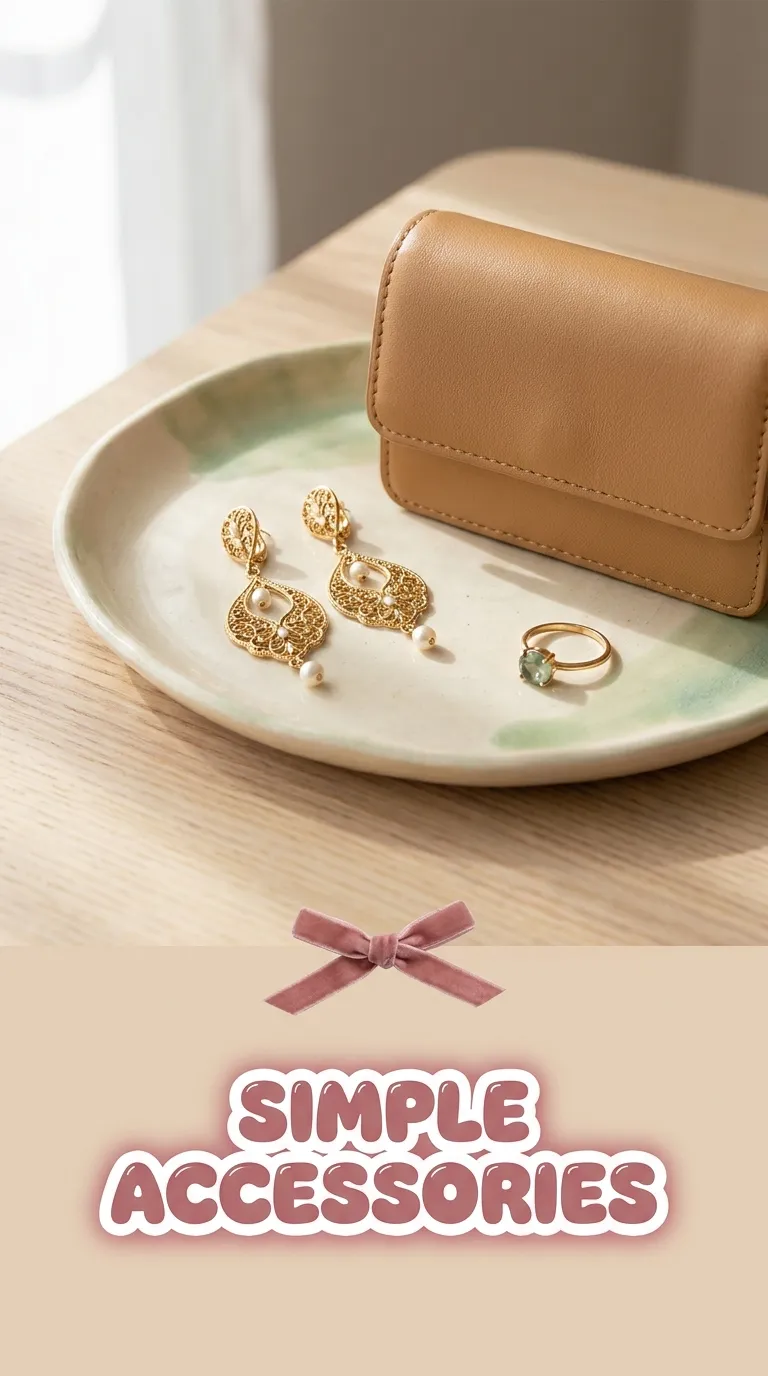
How to Do It
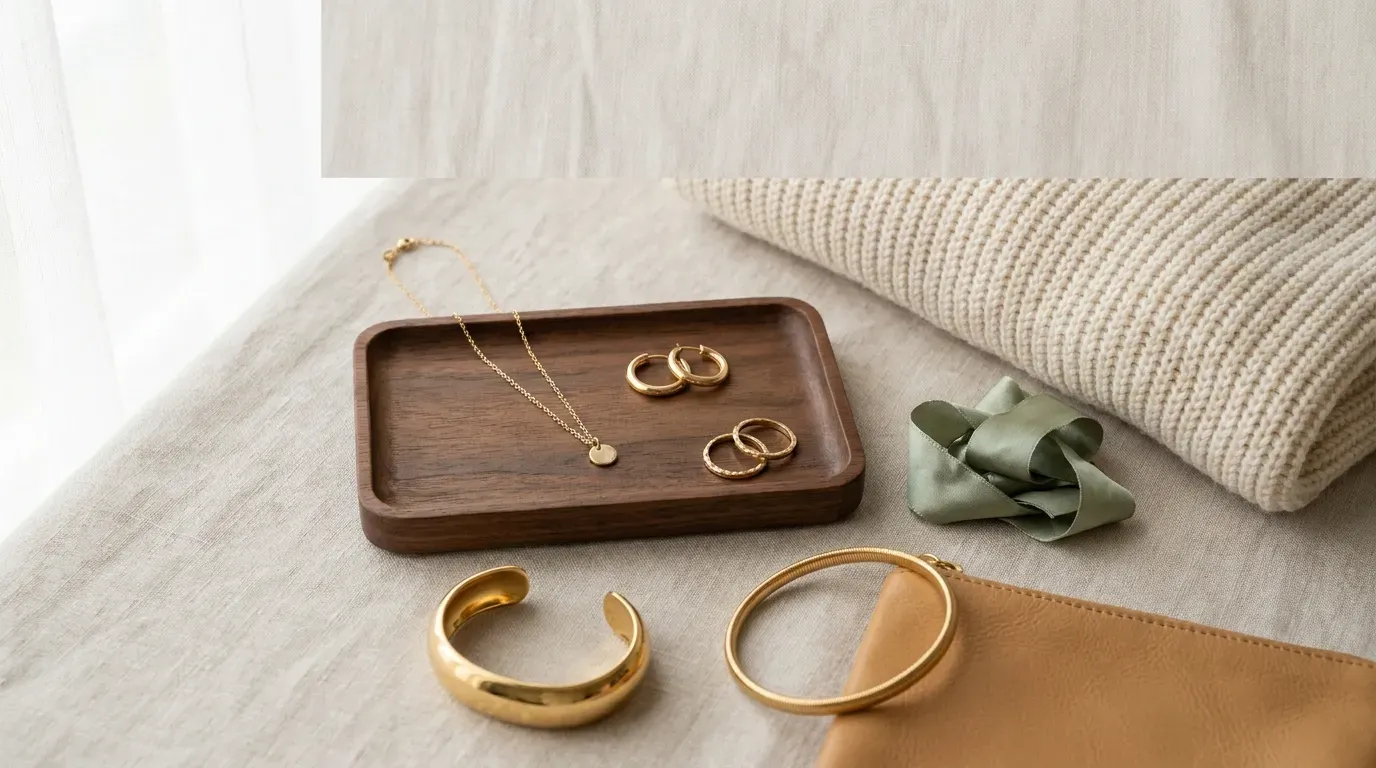
- Choose one focal accessory, such as drop earrings, a necklace, or a structured clutch
- Keep the other pieces small and in the same metal tone
- Pick a bag that holds only the essentials: phone, lipstick, tissues, and a small card or cash
- Try everything on together and remove one item before you leave the house
If the neckline is detailed, let it stand alone and keep the jewelry minimal. If the dress is simple, a pair of statement earrings can carry the whole look.
What to Look For
- Earrings that are light enough to wear for hours
- A clutch or small bag with a secure closure
- A bag strap or chain that can be worn across the body
- A wrap or scarf in a color from the outfit
- Metal tones that match the shoe hardware
Why It Works
One clear focal point gives the eye somewhere to rest. It also keeps your outfit from competing with the couple, and you are less likely to fuss with a lot of small pieces during the day.
Common Mistakes to Avoid
- Wearing statement earrings, a bold necklace, and a large cuff all at once
- Choosing a bag that is too big to fit at a table or on a lap
- Wearing heavy jewelry you have never worn for more than an hour
- Mixing several metal tones without a reason
8. Plan for Weather and Layers
Weddings are long, and the temperature changes over the course of the day. An outdoor ceremony at 3 p.m. can feel very different from a dance floor at 9 p.m., and many venues run cool inside or breezy at night.
A layer is a small addition that protects the whole outfit. How much you need depends on your climate and the season.
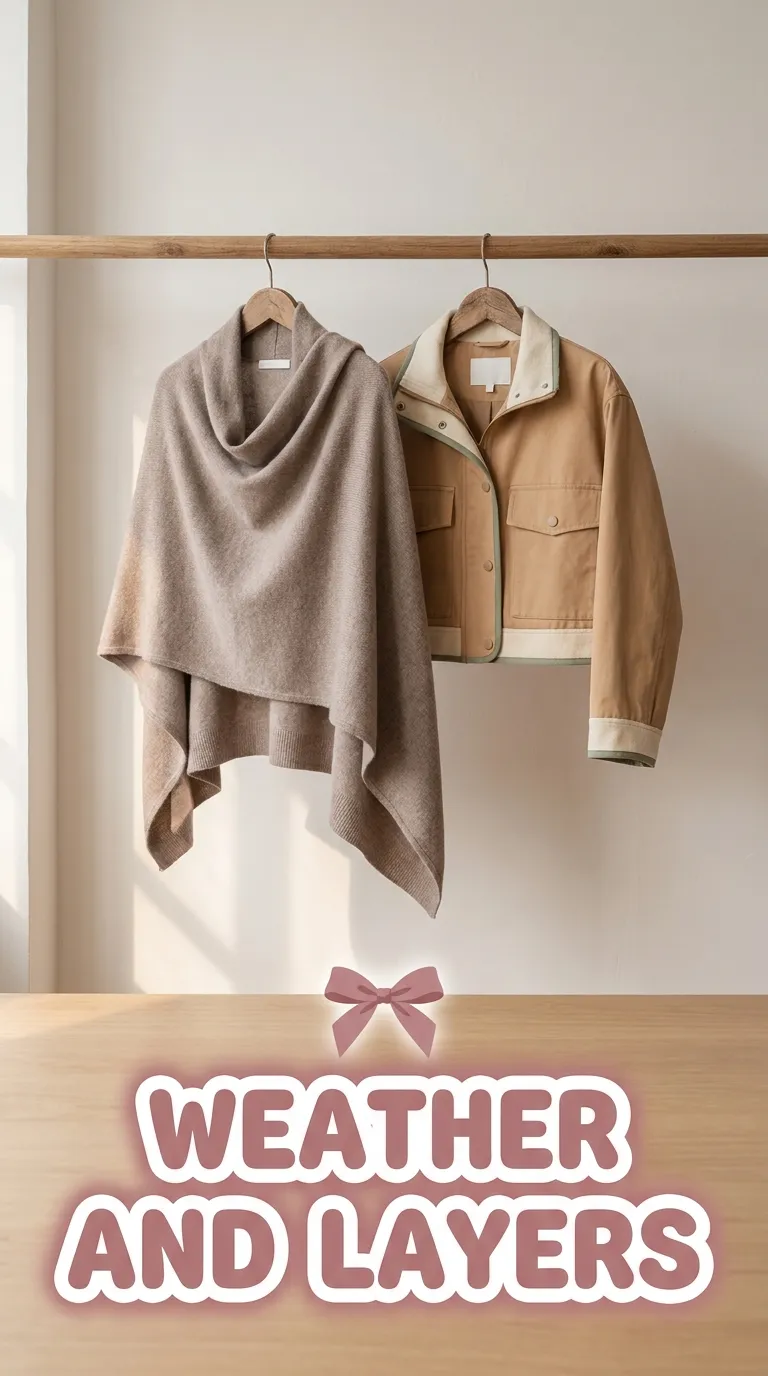
How to Do It
- Check the forecast a few days before the wedding and again the morning of
- Choose one layer that works with the outfit's color and formality
- Pick a layer you can fold or carry easily, such as a wrap, pashmina, or light jacket
- Pack a small umbrella if rain is possible, and consider shoes that handle wet ground
- For hot weather, choose breathable fabric and bring a small fan or blotting papers
What to Look For
- A wrap or shawl that stays on the shoulders without slipping
- A cropped jacket or blazer that works over a dress without bunching
- A lightweight cardigan in a fine knit for cool evenings
- Colors that match or tone with the dress
Why It Works
A layer lets you adjust to the temperature without changing the look. It also gives you a polished finish for photos, and it covers your shoulders for a ceremony where that is expected.
Best For
- Outdoor ceremonies that run into the evening
- Air-conditioned reception halls
- Fall and early spring weddings
- Beach and waterfront venues with a breeze
A Simple Rule to Remember
Bring one more layer than you think you need. You can leave it in the car, but you cannot add one from home.
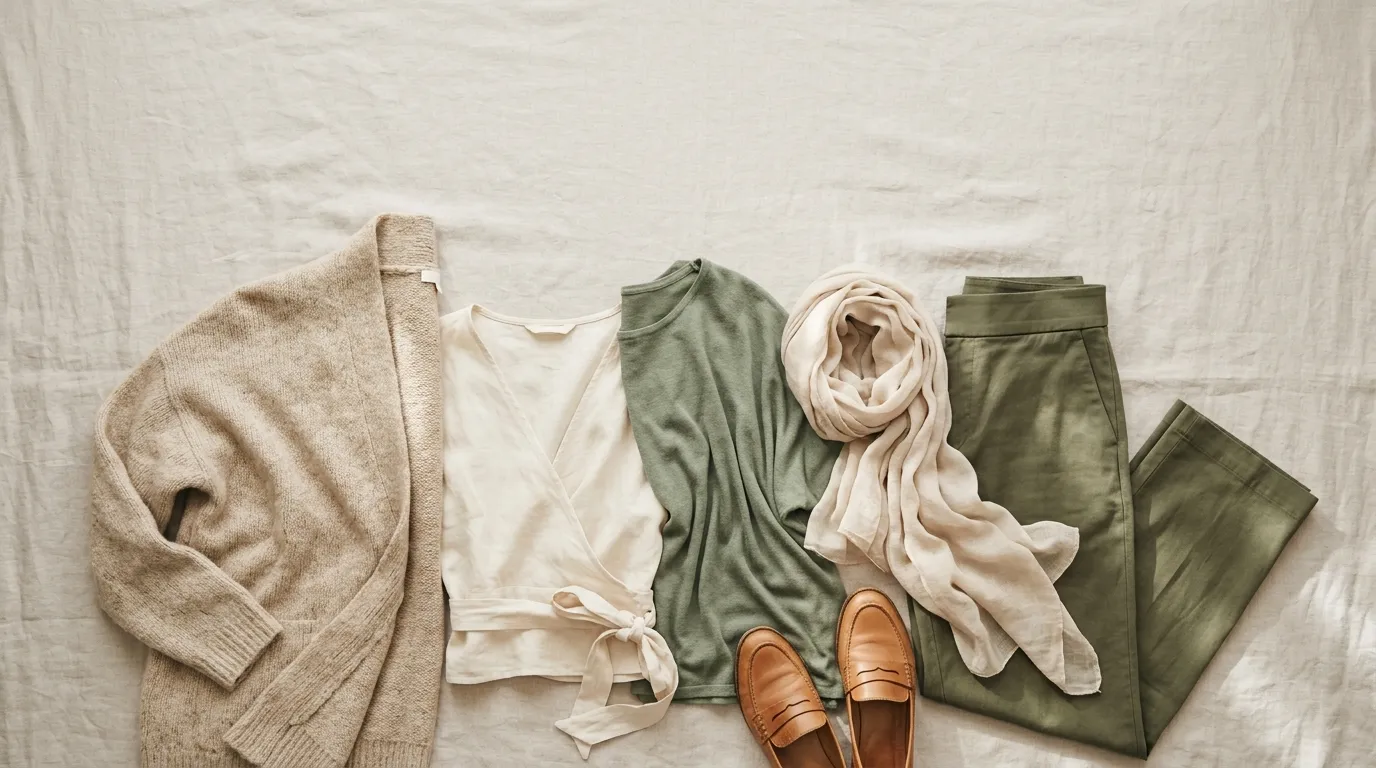
Quick Wedding Guest Cheat Sheet
Save this table for the week before the wedding.
| Rule | Why It Works | Quick Fix |
|---|---|---|
| Read the invitation | Dress code, time, and venue set the tone | Ask the couple if unclear |
| Match the dress code | Length and fabric signal the formality | Use the decoder table |
| Choose safe colors | Muted shades blend with most palettes | Skip white, ivory, and party colors |
| Get the fit right | You can sit, hug, and dance | Book a tailor two weeks ahead |
| Choose lasting fabrics | Body and lining resist wrinkles | Steam it and check the care label |
| Pick dancing shoes | Cushioning and a wide heel last longer | Break them in and pack flats |
| Keep accessories simple | One focal piece avoids clutter | Remove one item before leaving |
| Plan for layers | Weather changes during long events | Pack a wrap or light jacket |
The Principles Behind These Rules
Dress for the Invitation, Not Just the Photos
An outfit that looks great in pictures can still miss the mark in the room. The invitation tells you the level of formality, and matching it is the clearest way to show respect for the couple.
Comfort Is Part of the Outfit
Comfort is not the opposite of polish. When your shoes, waistband, and fabric work for you over many hours, you move more easily, stand taller, and enjoy the day more. That shows in how you carry the outfit.
Let One Detail Lead
A single standout element, such as a color, a neckline, or a pair of earrings, gives the outfit a clear point of view. The rest of the look then supports it with simple, quiet pieces.
Common Mistakes Worth Skipping
Choosing Something Too Close to White
Ivory, cream, and pale champagne can look bridal in photos, even if they look soft in the store. If a dress is near white, choose another color unless the couple has said otherwise.
Skipping a Full Trial Run
Many problems show up only when you wear the whole outfit together: a strap that slips, a shoe that rubs, a hem that catches. Try the full look, with shoes and bag, at least a week before the wedding.
Dressing for a Different Event
A cocktail dress at a garden brunch or a casual sundress at an evening ceremony sends the wrong message. Go back to the invitation and check the time, the venue, and the dress code before you buy.
Final Tips for Success
Try It On a Week Early
A week gives you time to steam, tailor, swap a shoe, or buy a missing piece. Leaving it to the night before takes away your options.
Pack a Small Emergency Kit
Keep a few small items in your bag or car: blister plasters, safety pins, a stain pen, tissues, and a lip color. They take almost no space and solve the most common wedding-day problems.
Wedding Guest Basics Worth Owning
- A midi dress in a muted color
- Block-heel sandals with cushioning
- A wrap or lightweight jacket
- A small structured clutch
- A pair of drop earrings
- A tailor or alteration service you trust
Plan What to Wear to a Wedding Around Your Own Comfort
The best outfit is the one you forget you are wearing. If a piece feels restrictive or fussy in the fitting room, it will feel worse by the end of the night. Choose the version of the look that lets you relax and enjoy the day.
Conclusion
Deciding what to wear to a wedding gets easier when you follow the same order every time: the invitation, the dress code, the color, the fit, the fabric, the shoes, the accessories, and the layers. Each step narrows the choices until the outfit is clear.
You do not need to follow every trend or buy something new. A well-fitting dress in a muted shade, shoes you can dance in, and one considered detail will serve you at almost any wedding.
Go in comfortable, stay respectful of the couple, and enjoy the day. Save this guide for the next time an invitation lands on your counter.
Comments
✎ Write a commentCommunity Guidelines
We love hearing what you think. Please keep comments about the article itself, stay kind and helpful to other readers, and leave out personal details or links. Every comment is checked before it appears.