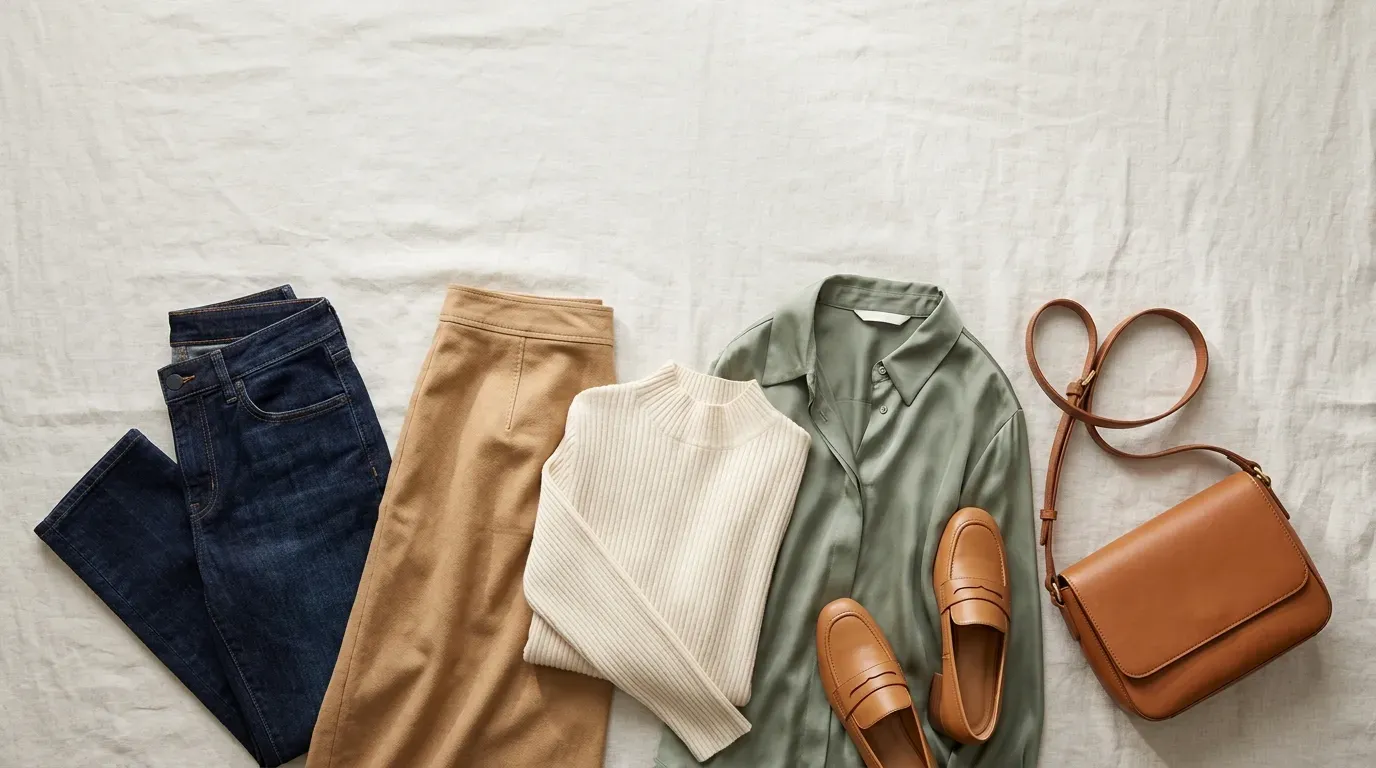

Fall Trends to Skip After 40 and What to Wear Instead — You open a fall trend roundup, save a dozen ideas in a row, and then stand at your closet door wondering which of them would survive a regular Tuesday. Most of the fall trends to skip after 40 have nothing to do with age. They come down to comfort, upkeep, and whether a piece plays well with the clothes you already own.
What you need is a quick way to tell which trends are worth the money and which will sit in the back of the closet by November. Skipping a trend is a choice, not a failure of nerve, and every pass below comes with something you can wear instead.
I've kept this list practical. For each trend, you'll find what it is, how to wear it if you still love it, when to skip it, and a swap that gives you the same mood with less effort.
1. Ultra-Low-Rise Jeans
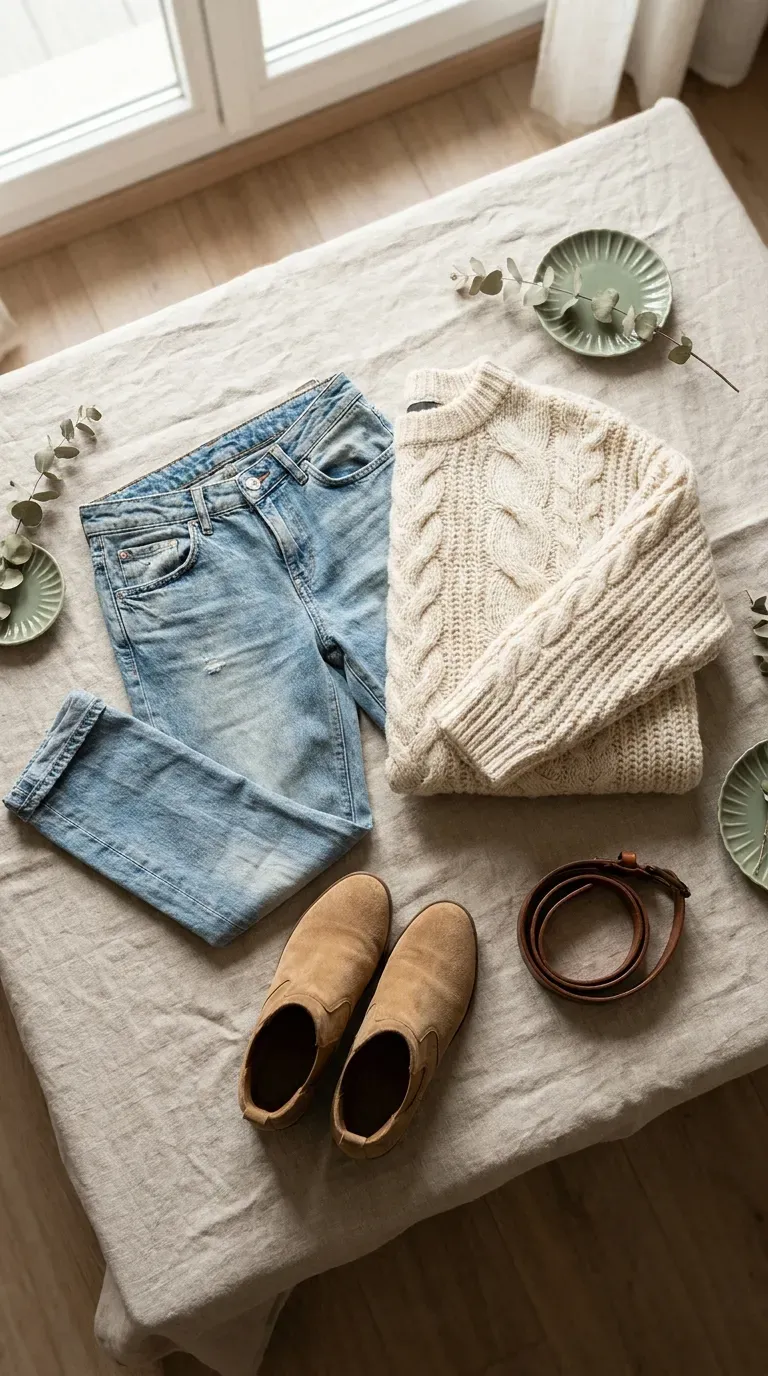
Ultra-low-rise jeans sit well below the navel, often right at the hip bones. They return every fall in new washes, and they're easy to fall for on a hanger.
The catch shows up once you move. A very low rise shifts when you sit, bend, or reach, so you spend the day adjusting instead of enjoying the outfit.
What It Is
Jeans with a very short front rise that sits at the hip bones rather than the natural waist.
How to Wear It
- Longer fitted knit that skims the hip
- Stretch denim with a secure waistband
- Dark wash for a more polished feel
- Ankle boots to anchor the leg line
When to Skip It
Skip them if your day involves a lot of sitting, bending, or lifting. They're also a poor match when your fall wardrobe leans on tucked-in shirts and belts, since there's very little waist to work with.
What to Wear Instead
Reach for mid-rise straight-leg jeans in a dark wash. The rise sits at or just below the navel, so you can tuck, belt, or leave a sweater loose. The straight leg creates a long, clean line over boots and loafers.
2. Micro Mini Skirts
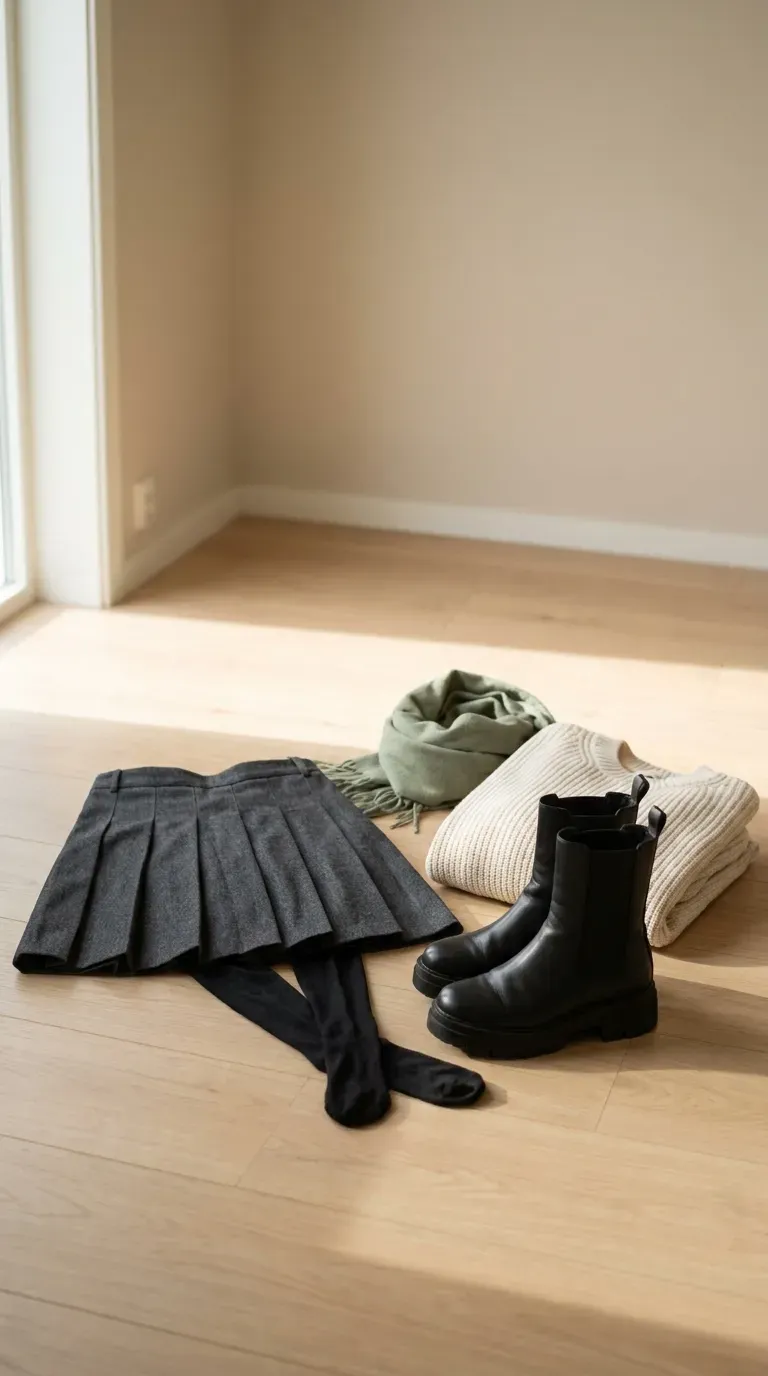
The micro mini is a skirt that ends high on the thigh, usually styled with tights and chunky boots for fall. It photographs well and looks playful on a styled shoot.
In real life, it asks a lot of you. Wind, stairs, car seats, and a long day all turn it into a piece you manage rather than wear.
What It Is
A skirt with a hem well above mid-thigh, often paired with opaque tights or tall boots in cooler months.
How to Wear It
- Opaque tights in a matching dark shade
- Longer sweater or blazer for balance
- Sturdy boots with a stable sole
- Shorts or slip shorts underneath for peace of mind
When to Skip It
Skip it when you'll be sitting, climbing stairs, or standing outside in cold or windy weather. If you find yourself tugging the hem, that's your answer.
What to Wear Instead
A knee-length or midi skirt gives you the same skirt-and-boots mood with far less fuss. Look for an A-line or pencil cut in a ponte, wool-blend, or soft twill fabric (check the care label). Pair it with ankle boots and a fitted knit for a clean, easy line.
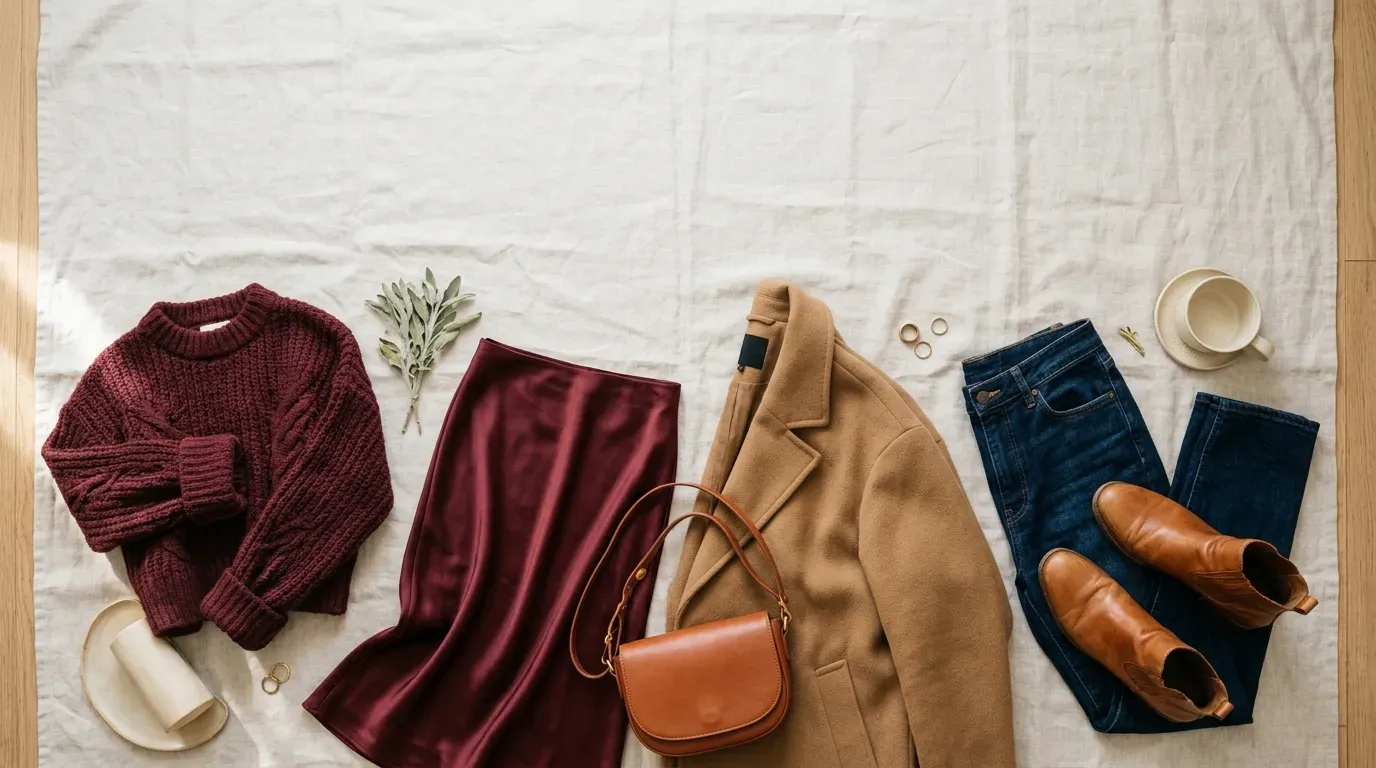
3. Ultra-Cropped Tops
Ultra-cropped tops end well above the waist, often just under the bust. For fall, they appear as tiny knits, baby tees, and cropped cardigans.
They only work when everything else lines up. Raise your arms, reach for a shelf, or add a coat, and the hem rides up past where you meant it to sit.
What It Is
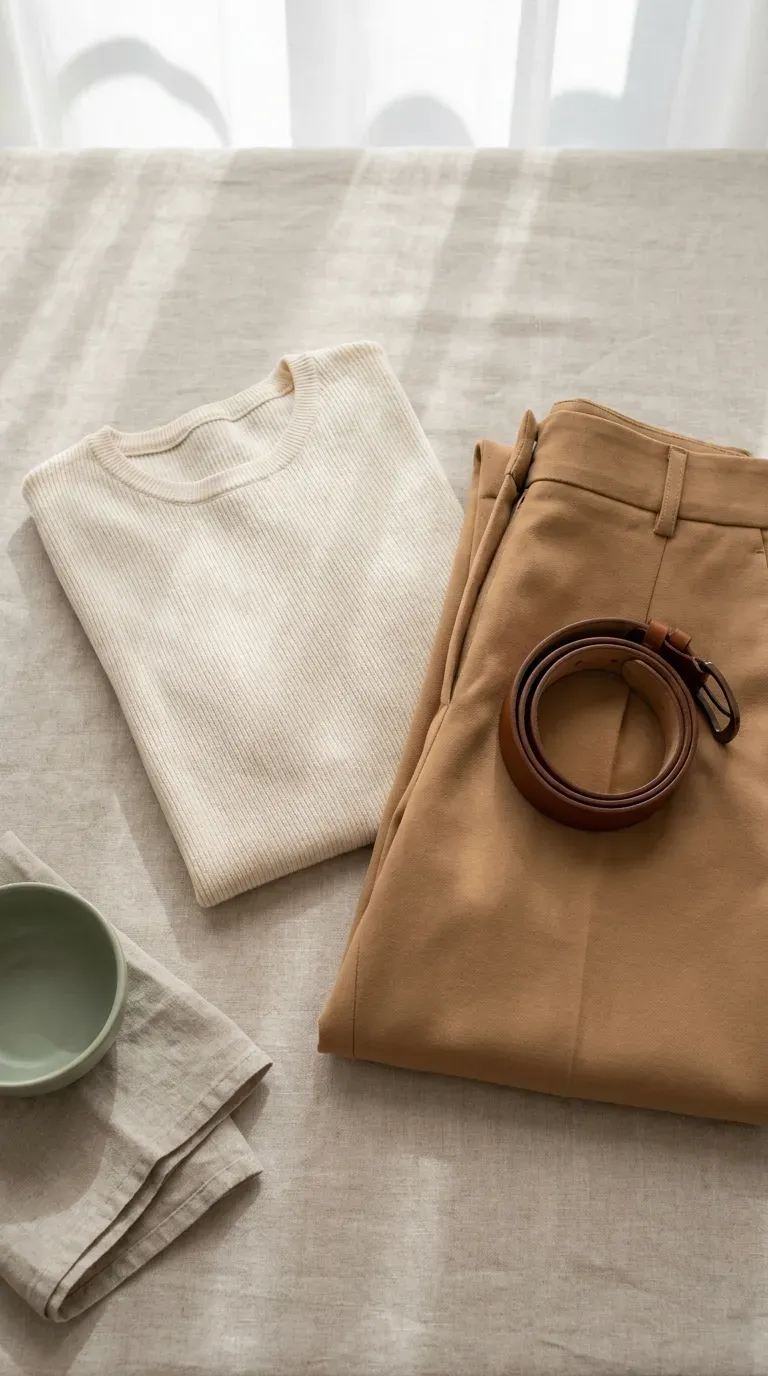
A top whose hem lands well above the natural waist, leaving a visible gap between top and bottoms.
How to Wear It
- High-waisted trousers or skirts to close the gap
- Long coat or open shirt layered over the top
- Fitted fabrics that stay put when you move
- Simple jewelry so the cut stays the focus
When to Skip It
Skip it if you want a top that stays put through a full day, or if you rely on layers. Under a fall coat, a cropped top bunches and leaves you tugging at the hem.
What to Wear Instead
A hip-skimming ribbed knit or a fitted layering tee gives you a defined shape without the gap. Tuck the front half into mid-rise jeans or trousers for a longer leg line, and the hem stays exactly where you put it.
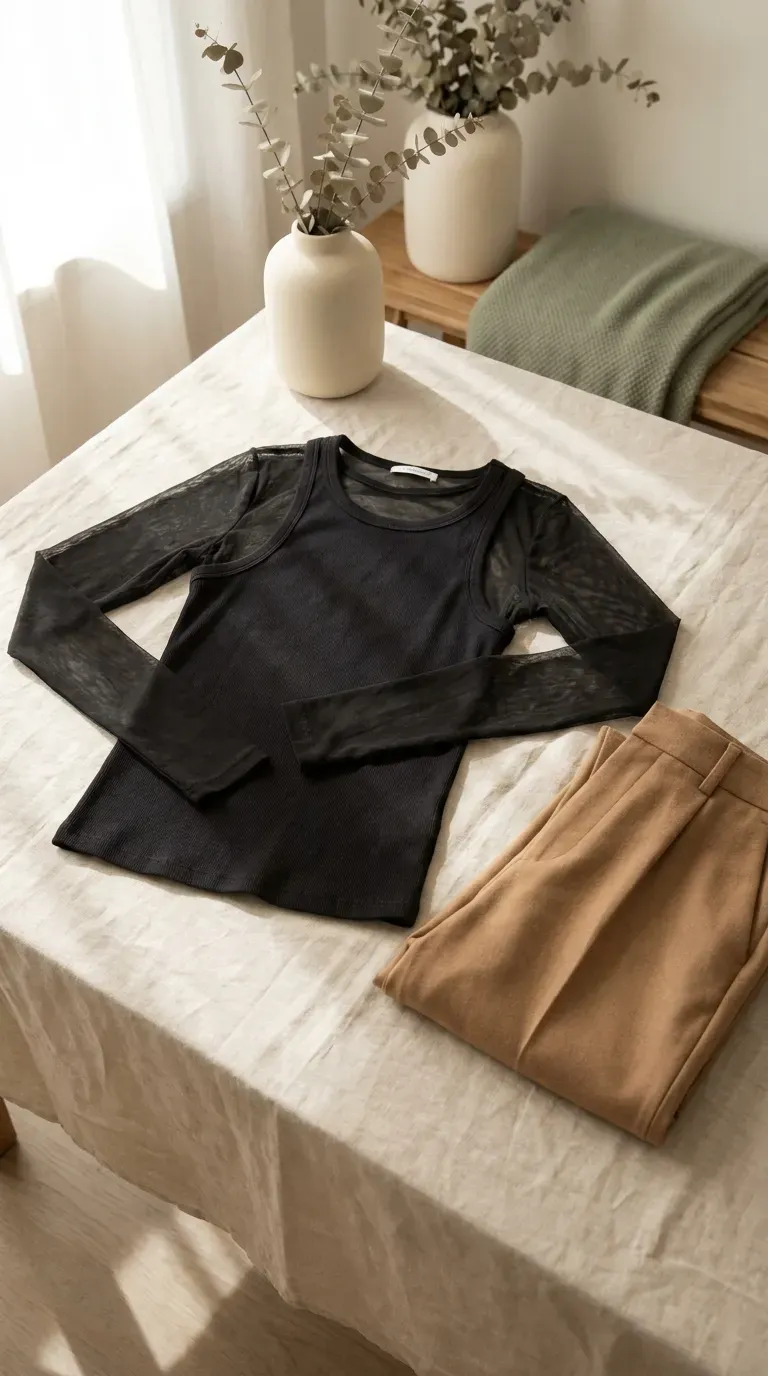
4. Sheer Mesh Layering
Sheer mesh tops and see-through overlays show up every fall as a layer over a bodysuit, bralette, or tank. The idea is texture and a little drama, and on a hanger it looks lightweight and modern.
The reality is more demanding. Mesh snags, clings to other fabrics, and needs a precise layer underneath, which adds one more thing to plan before you leave the house.
What It Is
A semi-transparent knit or mesh top worn over a base layer, often in black or nude tones.
How to Wear It
- Matching base layer in a smooth, opaque fabric
- Tailored trousers or a wool skirt for contrast
- Minimal jewelry so the texture stays the focus
- Light coat or blazer for cooler days
When to Skip It
Skip it if you want grab-and-go dressing, or if you spend your day in a seat belt, a backpack strap, or a rough-textured coat. Mesh catches and pulls, and static makes it cling in dry fall air.
What to Wear Instead
A fine-gauge merino or cotton-blend knit gives you a soft, close layer without the transparency. For a dressier mood, try a silky blouse with a subtle sheen. Both layer easily under a blazer and need no special base layer. Check the care label for washing.
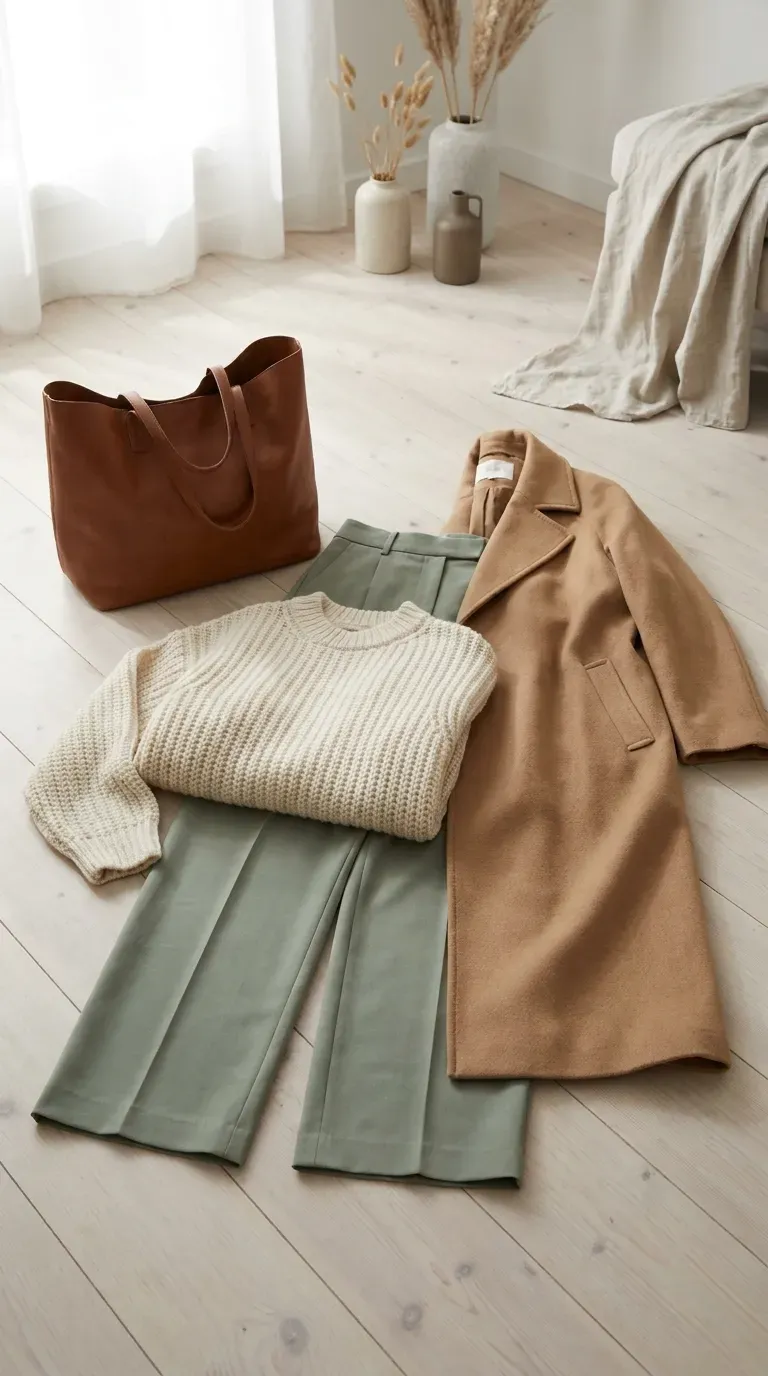
5. Head-to-Toe Oversized Looks
This is the look where everything is big: an oversized sweater, wide pants, a long coat, and a roomy bag. It reads relaxed and fashion-forward, and it's comfortable on the right day.
The trouble is that with no defined point anywhere, the outfit can look like a single block of fabric. Proportion is what makes an oversized piece look intentional, and the head-to-toe version leaves it out.
What It Is
An outfit built entirely from voluminous pieces, with no fitted or tailored element to balance the volume.
How to Wear It
- Narrow ankle or cropped hem on the wide pants
- Belt at the natural waist over the coat
- Sleeves pushed up to show the wrist
- Sleek shoe to keep the bottom of the outfit tidy
Who It Suits Best
It suits weekend days and casual settings where comfort comes first, and anyone who enjoys playing with volume and doesn't mind a bit of bulk under a coat.
When to Skip It
Skip it for work days, dinners, or any outfit that needs a polished finish, and when you're layering under a coat that already has volume. Too many wide pieces also make bathroom stops and car seats a bit awkward.
What to Wear Instead
Keep the relaxed mood but give it one anchor: one roomy piece plus one defined piece. A chunky sweater with straight-leg jeans, or a wide-leg trouser with a fitted knit. Each piece reads clearly, and the outfit looks put together with the same level of comfort.
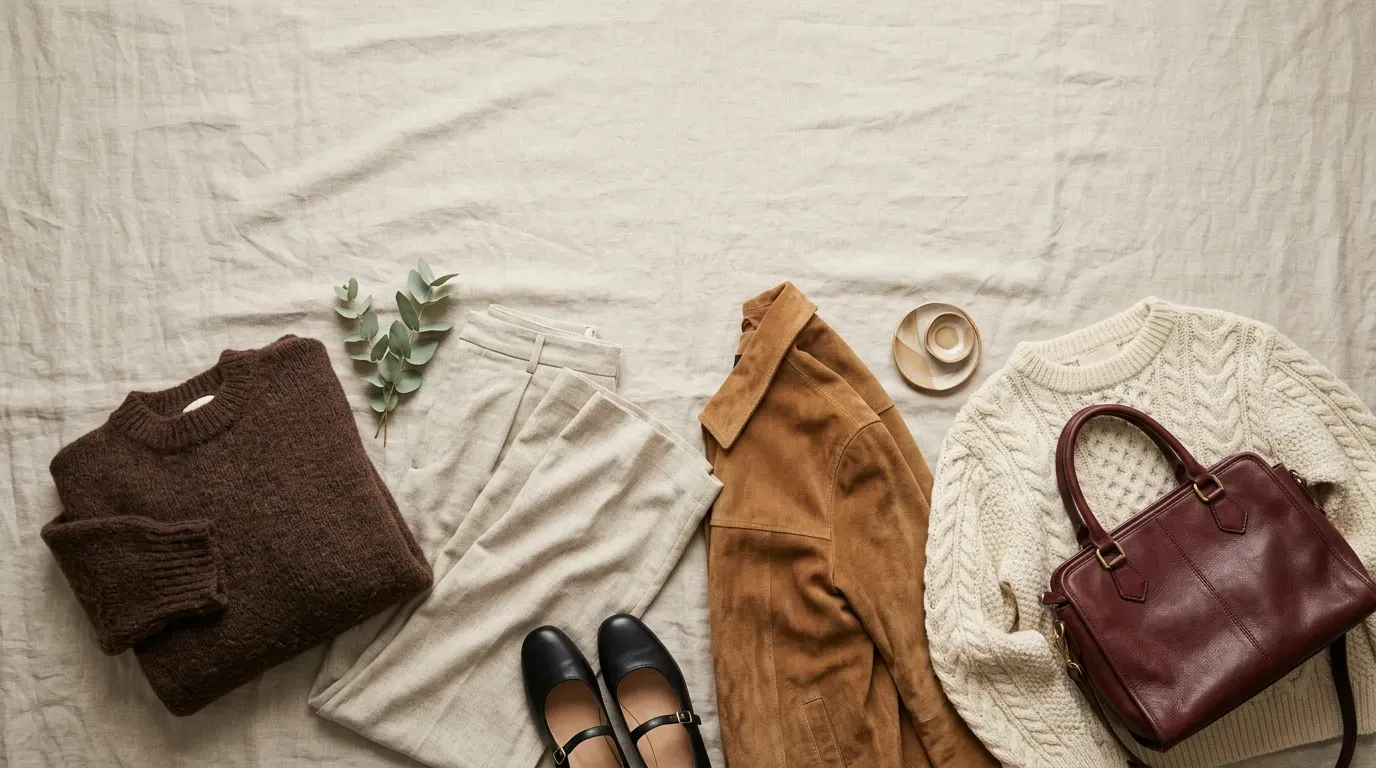
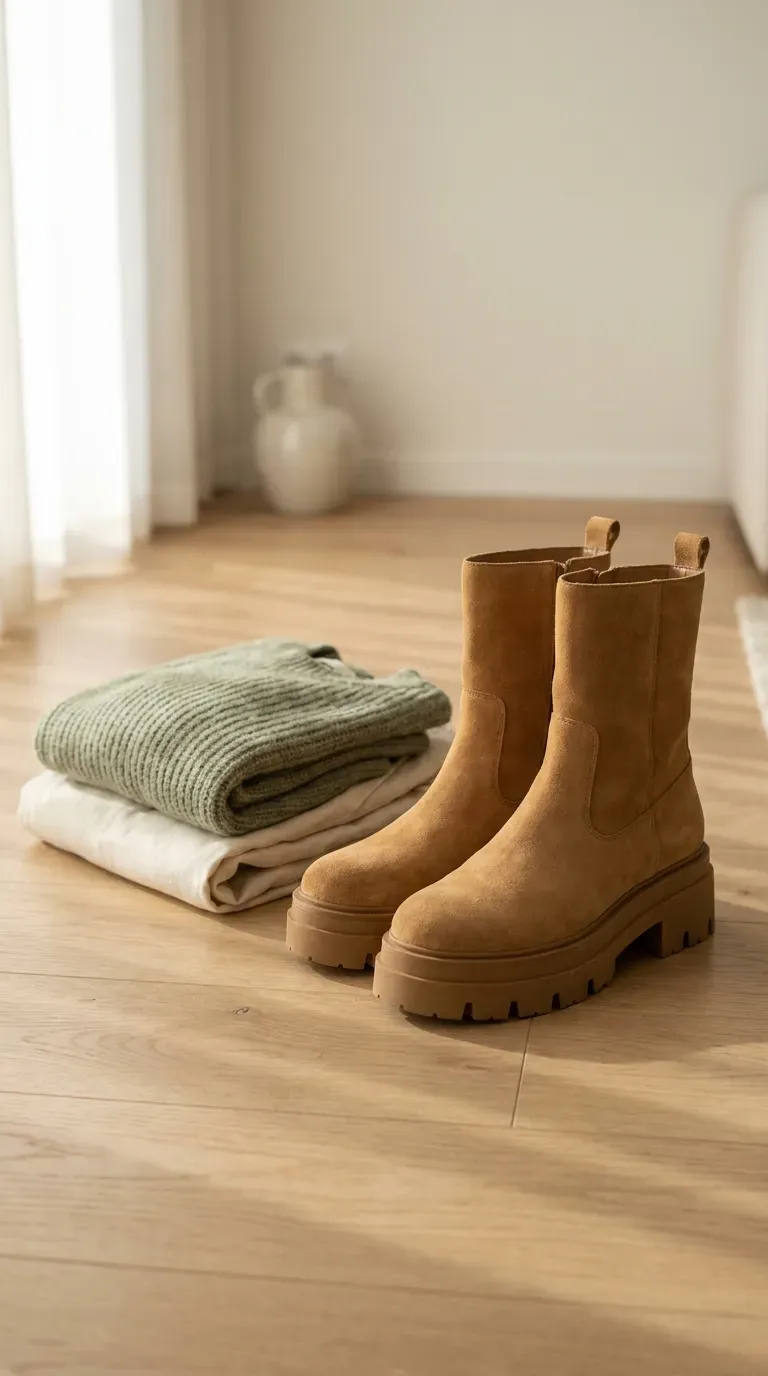
6. Extreme Platform Shoes
Extreme platforms are shoes with a very thick sole, often 2 inches or more at the front and a steep rise at the heel. They're bold and fun, and a staple of fall boots and chunky loafers.
They also change how you walk. Heavy soles and a rigid base add weight and effort to every step, which you'll feel after a full day of errands, stairs, or airport corridors.
What It Is
A shoe or boot with a thick, often rigid sole that raises the whole foot well off the ground.
How to Wear It
- Wide-leg or straight trousers that clear the sole
- Short or midi hemlines that suit the weight
- Simple outfit above so the shoe leads
- Thick socks sized for roomy toe space
When to Skip It
Skip them if you'll be walking a lot, taking stairs, or standing on your feet for long stretches. For anyone with foot pain, check with your doctor or a podiatrist before choosing a heavy or rigid shoe.
What to Wear Instead
Choose low block-heel loafers or cushioned ankle boots. Look for a stable heel, a cushioned insole, room in the toe box, and a flexible sole. A heel of about 1½ inches gives lift and polish without the weight, and it still works with trousers and midi skirts.
7. Micro Bags
Micro bags are tiny handbags that hold little more than a lipstick and a card. They're charming, and they show up in every color and shape each fall.
The problem is what they leave out. Your phone, keys, wallet, and reading glasses don't fit, so you end up carrying a second bag or stuffing pockets.
What It Is
A handbag so small it holds only a few essentials, usually worn as a decoration as much as a carry-all.
How to Wear It
- Over a coat at the shoulder or crossbody
- With an outfit that has deep pockets
- For evenings when you carry very little
- As a charm on a larger tote
When to Skip It
Skip it on workdays, errands, travel, or any day with a phone, wallet, and glasses. If you can't fit your daily basics, the bag costs more than it gives.
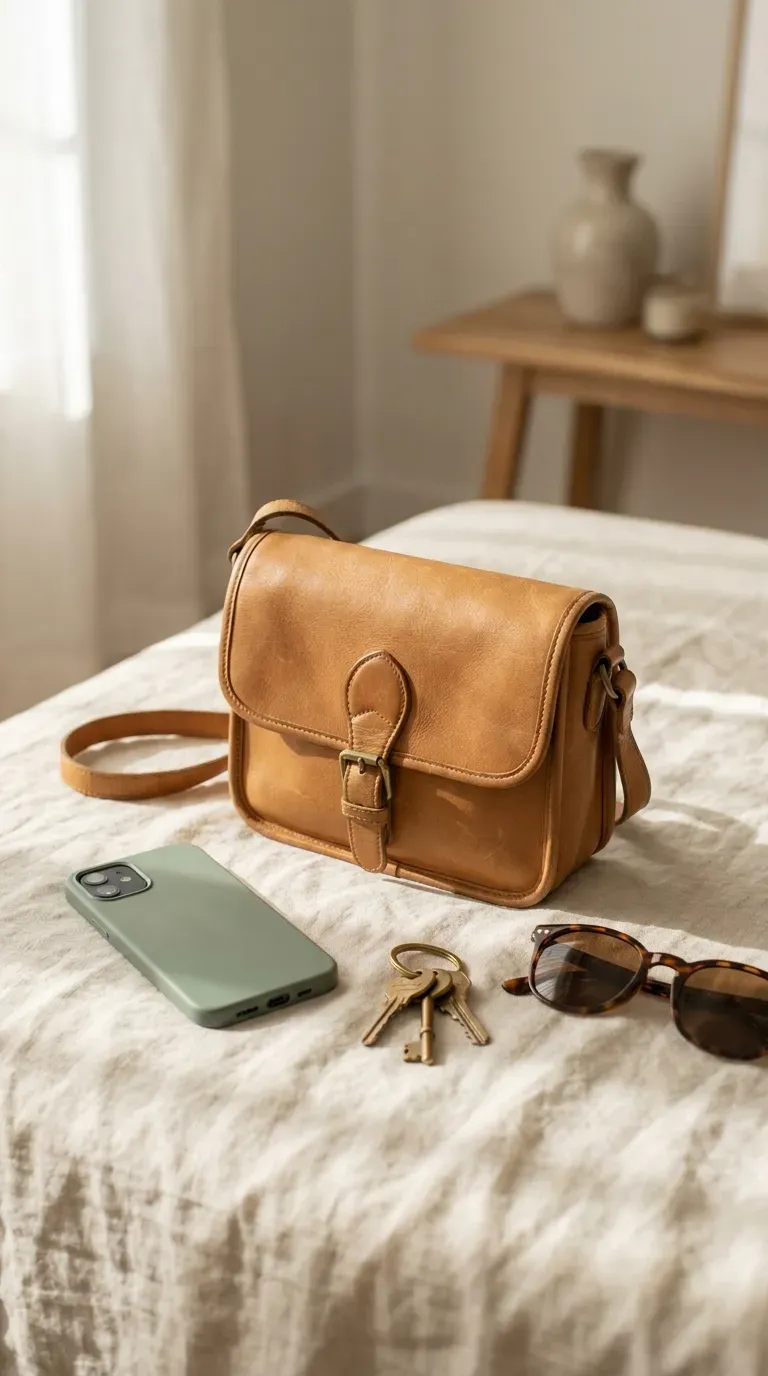
What to Wear Instead
Choose a medium structured crossbody or a compact tote in leather or sturdy fabric. It carries your phone, wallet, keys, and glasses with room to spare, and the structured shape keeps the outfit tidy. A neutral color works with almost everything in your fall closet.
8. Heavily Distressed Denim
Heavily distressed denim means jeans with large rips, frayed knees, and open thigh holes. It's a familiar fall favorite that returns with a new wash or a fresh fray every year.
Fall is where it gets impractical. Cool air reaches the open spots, and holes tend to widen with wear, so a pair that looks perfect in September can look worn out by November.
What It Is
Denim with large rips, deep frays, or open holes at the knees and thighs, often in a faded wash.
How to Wear It
- Smooth, simple top so the denim leads
- Leggings or tights under the rips in cold weather
- Sturdy boots to match the casual mood
- Plain jacket in a structured fabric
When to Skip It
Skip it for workplaces, dinners, and cold days, or any time you'd rather not worry about a hole catching on a chair or a bag strap.
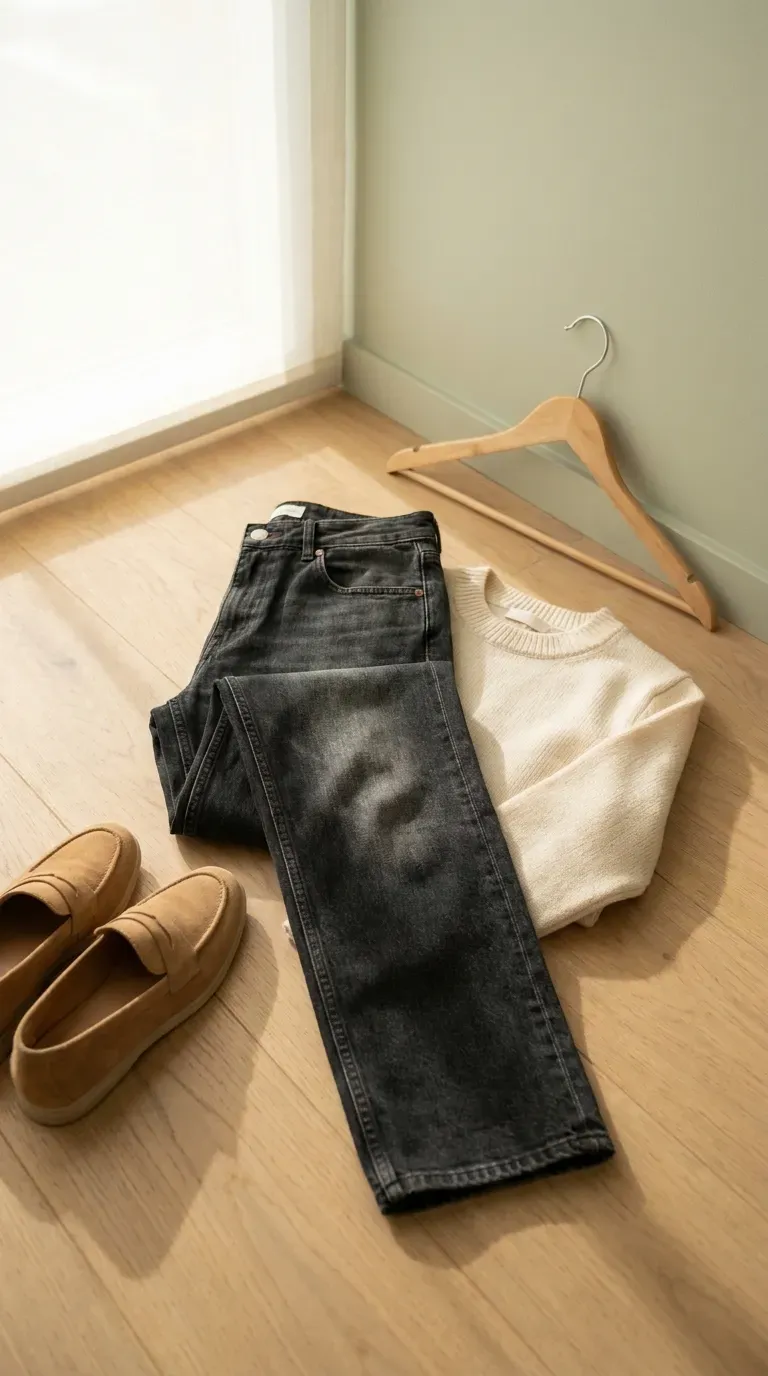
What to Wear Instead
Reach for clean dark denim with subtle texture, such as light fading, a raw hem, or soft whiskering at the hips. You keep the lived-in feel without the open holes, and the pair works for casual weekends and smarter plans alike.
A Simple Rule to Remember
If a hole will get bigger by Thanksgiving, choose the pair without it.
Quick Trend Cheat Sheet
| Trend | Why to Skip It | Wear This Instead |
|---|---|---|
| Ultra-Low-Rise Jeans | Shifts when you sit or bend | Mid-rise straight-leg jeans |
| Micro Mini Skirts | Hard to manage in wind and stairs | Knee-length or midi skirt |
| Ultra-Cropped Tops | Hem rides up under layers | Hip-skimming ribbed knit |
| Sheer Mesh Layering | Snags, clings, needs a base layer | Fine-gauge knit or silky blouse |
| Head-to-Toe Oversized Looks | No defined point in the outfit | One roomy piece, one defined |
| Extreme Platform Shoes | Heavy and rigid for long days | Low block-heel loafers |
| Micro Bags | Won't hold daily basics | Medium structured crossbody |
| Heavily Distressed Denim | Holes widen and let in cold | Clean dark denim |
How to Tell If a Trend Is Worth Trying
Before you buy, run any trend through a few quick checks. They take a minute and save you from a closet full of almost-right pieces.
Check the Proportions First
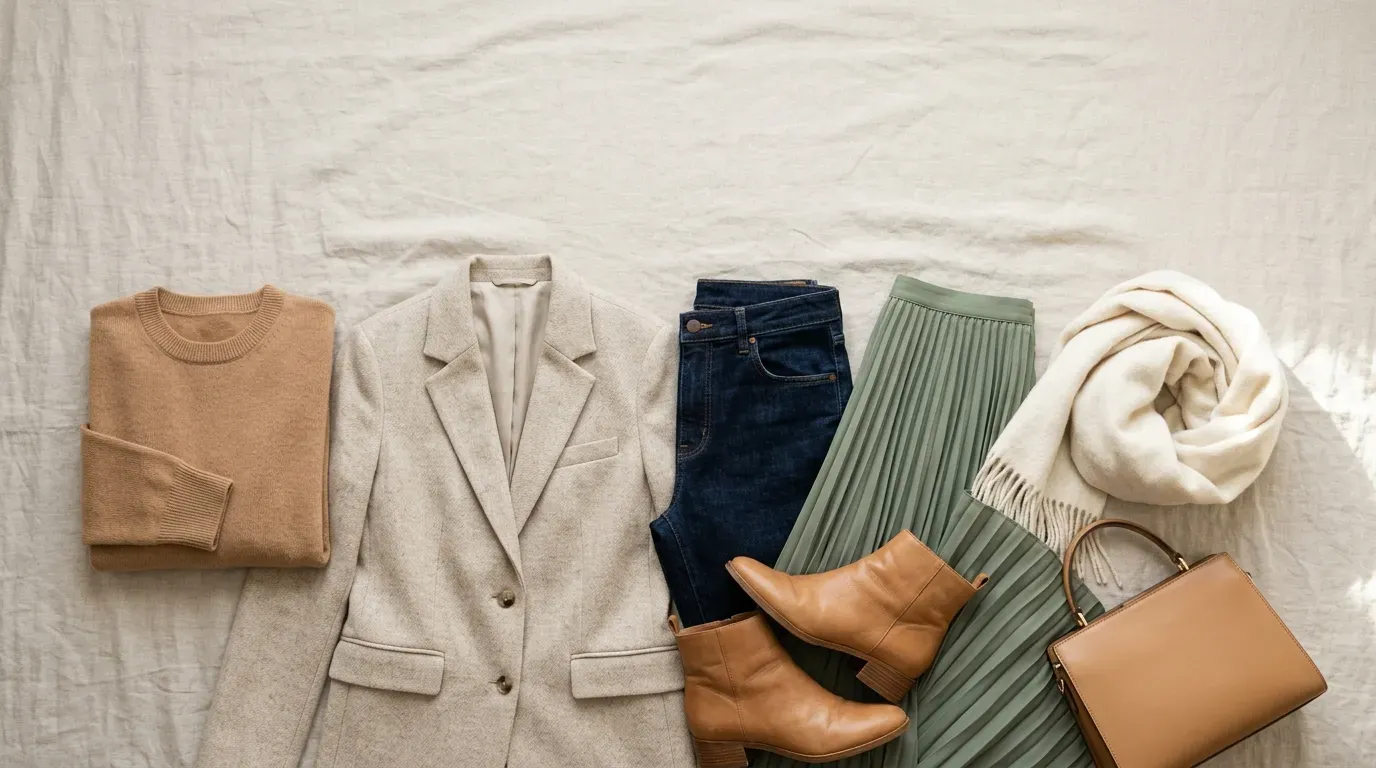
Hold the piece up with the outfit you'd wear it in. Look for one clear point of definition: a waist, a hem, a shoulder, or a narrow leg. If the whole outfit is the same width, the trend needs a second piece.
Look at Fabric and Comfort
A trend lives or dies on how it feels at hour six. Look for fabric with some give, a waistband that stays put, and shoes with cushioning and a stable heel. If you can't sit, reach, and walk in it, it's not for you right now.
Count How Often You'd Really Wear It
Picture three real days you'd put it on. If you can only name one, it's a skip. A piece worn once a season is the most expensive piece in your closet, whatever the price.
Test It Against Your Current Closet
Try to build three outfits from pieces you already own. If the trend needs a new bag, new shoes, and a new base layer to work, it's more of a project than a purchase.
Trends That Are Easy to Get Wrong
Even good trends go sideways in a few predictable ways. These are the ones I see most often.
Buying the Trend Instead of the Piece
A trend is a mood, not a shopping list. Ask what you actually like about it, such as the texture, the volume, or the color, and look for a piece that gives you that in a wearable version.
Skipping the Fit Check
A trend piece that almost fits rarely improves with wear. Sit down, lift your arms, and walk around the fitting room before you commit. If you adjust it more than twice in five minutes, it's the wrong cut.
Copying a Whole Look at Once
A full runway-style outfit is a lot to wear on a normal Wednesday. Borrow one element, such as the color or the shoe, and let the rest of the outfit stay familiar.
Final Tips for Success
Make Your Own Fall Trends to Skip After 40 List
Before shopping, scan your closet and note which pieces you reach for and which stay on the hanger. Your personal skip list will be shorter and more useful than any roundup, and it takes the pressure out of every new trend.
Keep One Trend Piece Per Outfit
Let one piece carry the trend and give it a quiet outfit around it. A bold shoe with simple trousers reads as a choice. Three bold pieces at once reads as a costume.
Wardrobe Basics Worth Owning
- Mid-rise straight-leg jeans in a dark wash
- Knee-length or midi skirt in a soft twill or ponte
- Fine-gauge knit in a neutral color
- Silky blouse with a subtle sheen
- Low block-heel loafers or cushioned ankle boots
- Medium structured crossbody or tote
- Tailored blazer or long coat
Trust Comfort as Part of Style
If a piece makes you tug, adjust, or count the hours until you can change, it isn't working. Comfort isn't a compromise. It's what lets a good outfit look relaxed and confident all day.
Conclusion
Skipping a trend doesn't mean you've stopped caring about style. It means you know your days, your closet, and what you want to feel like in your clothes.
None of the fall trends to skip after 40 on this list are wrong for everyone. They're simply high-effort for most routines, and each one has an easier swap that keeps the mood you liked in the first place.
Start with one swap this week. A mid-rise straight-leg jean, a structured crossbody, or a cushioned loafer is enough to change how your fall outfits feel.
Save this guide for the next time a trend roundup sends you to the closet door, and come back to it before you buy.

Comments
✎ Write a commentCommunity Guidelines
We love hearing what you think. Please keep comments about the article itself, stay kind and helpful to other readers, and leave out personal details or links. Every comment is checked before it appears.