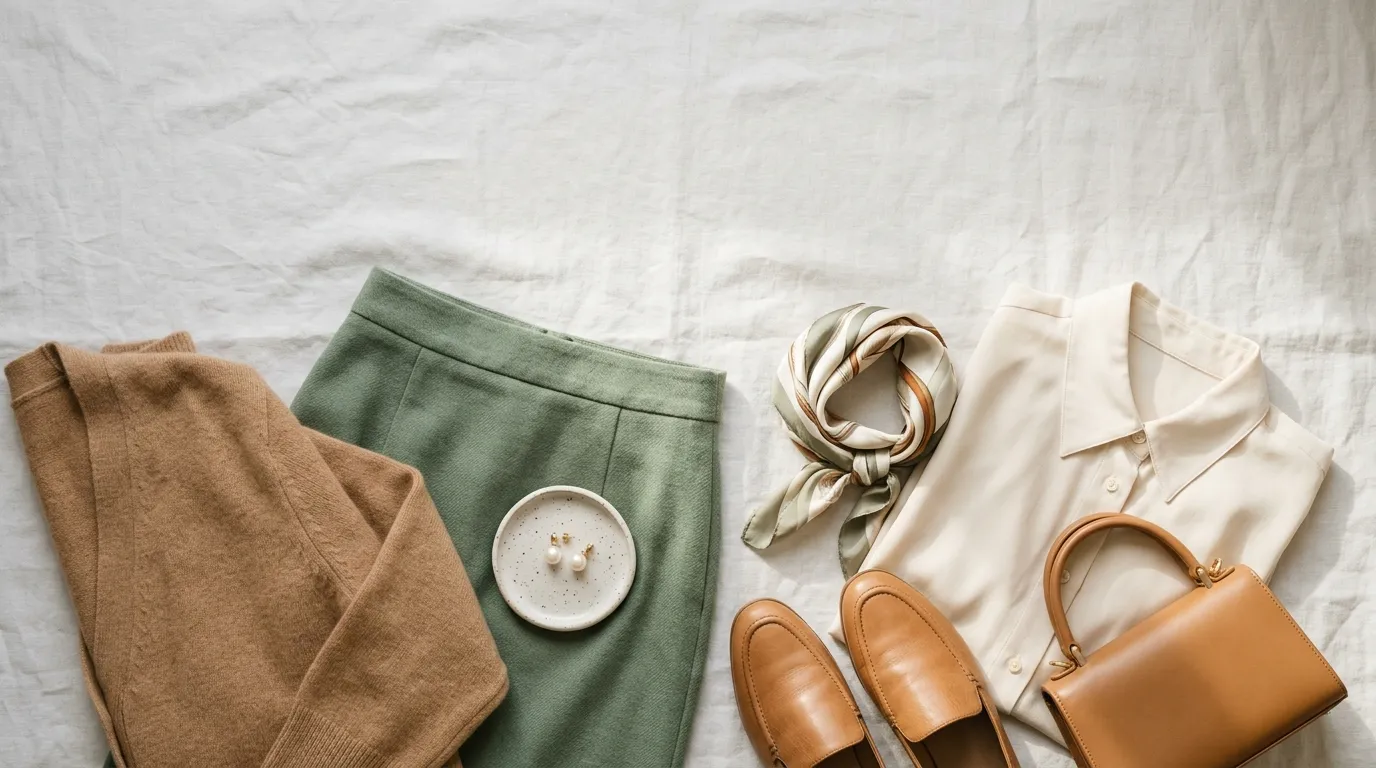

What to Wear to Church Ideas for Women Over 40 — It's 40 minutes before the service, and you're standing in front of a closet full of pieces that are almost right. The dress is a little too casual, the skirt is a little too short when you sit, and the cardigan has seen better days. Figuring out what to wear to church shouldn't take longer than the drive there.
What you actually need is an outfit that feels respectful, stays comfortable through an hour of sitting, standing, and greeting people, and still looks like you. That doesn't call for a new wardrobe, just a few clear rules you can reuse every Sunday.
Here are the seven rules I come back to again and again. Each one explains why it works and what to check before you walk out the door.
1. Start With Your Church's Dress Code
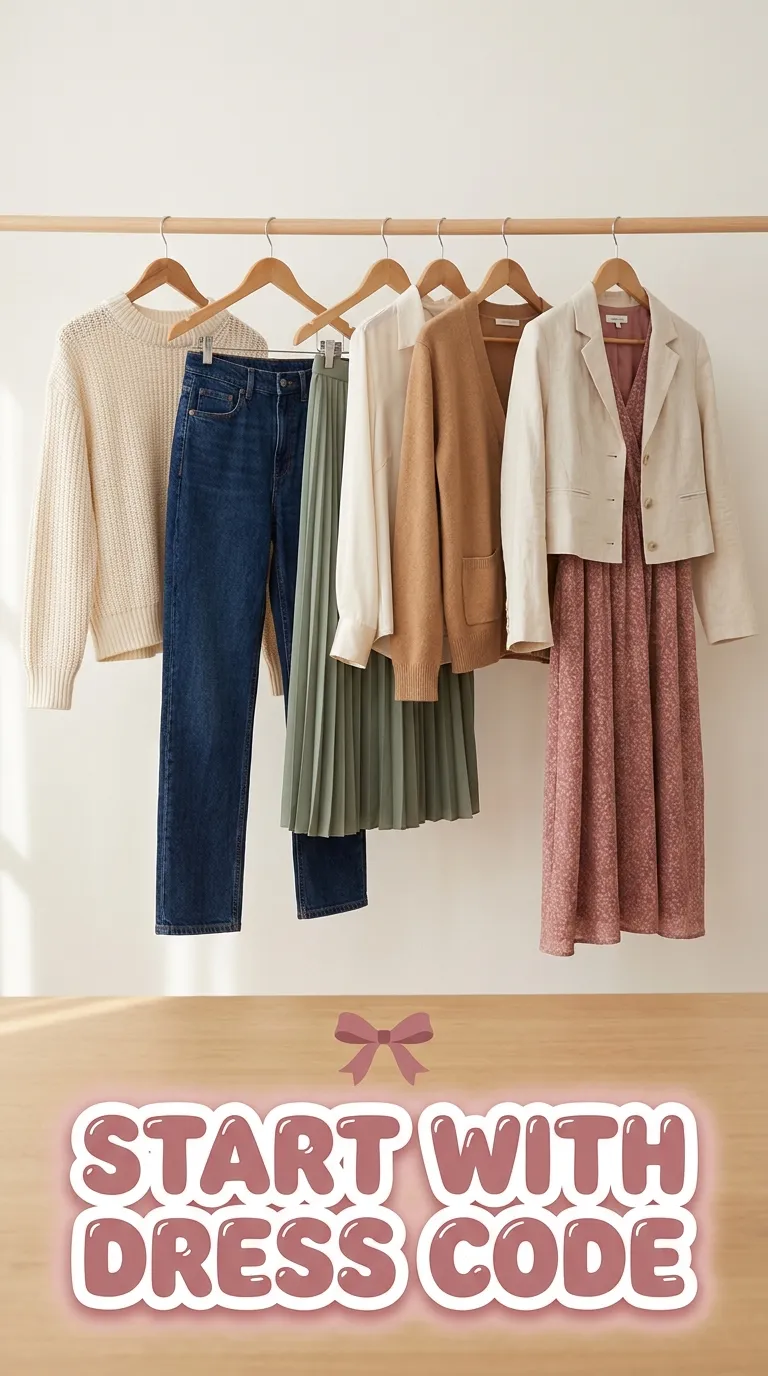
Dress codes at church run from jeans and sneakers to suits and dressy dresses, and the range can be wide even within one congregation. Before you pick a single piece, find out where yours sits.
Match the room first, then add your own style. It's the quickest way to stop second-guessing every outfit.
How to Do It
- Look at the church's website or social pages for photos of a typical Sunday
- Notice what regulars wear on an ordinary week, not just on holidays
- Ask a friend, a greeter, or the church office whether the dress is formal, casual, or in between
- Pick the middle of what you see, then go one step dressier if you're still unsure
Why It Works
When your outfit fits the room, you stop thinking about it. Dressing one notch up is also easier to adjust than dressing down: you can take off a blazer, but you can't add one you left at home.
If your church has a written dress code, follow that over what others happen to wear.
What to Look For
Use this as a starting point, then adjust to what you see in person.
| Setting | What People Often Wear | Safe Bet |
|---|---|---|
| Casual | Jeans, knit tops, sneakers | Dark jeans, tidy top, clean flats |
| Business casual | Slacks, blouses, midi skirts | Straight trousers, blouse, cardigan |
| Traditional | Dresses, suits, dressy shoes | Midi dress, light jacket, low heel |
Best For
- A first visit to a new church
- Visiting a relative's congregation
- Returning after time away
- Baptisms, weddings, and other services in the sanctuary
2. Check Your Hem and Neckline Before You Sit Down
Church asks more of an outfit than most places do. You sit in a pew, stand for hymns, bend to pick up a bulletin, reach to hug someone, and sometimes kneel. An outfit that looks perfect standing in front of the mirror can behave very differently by the second hour.
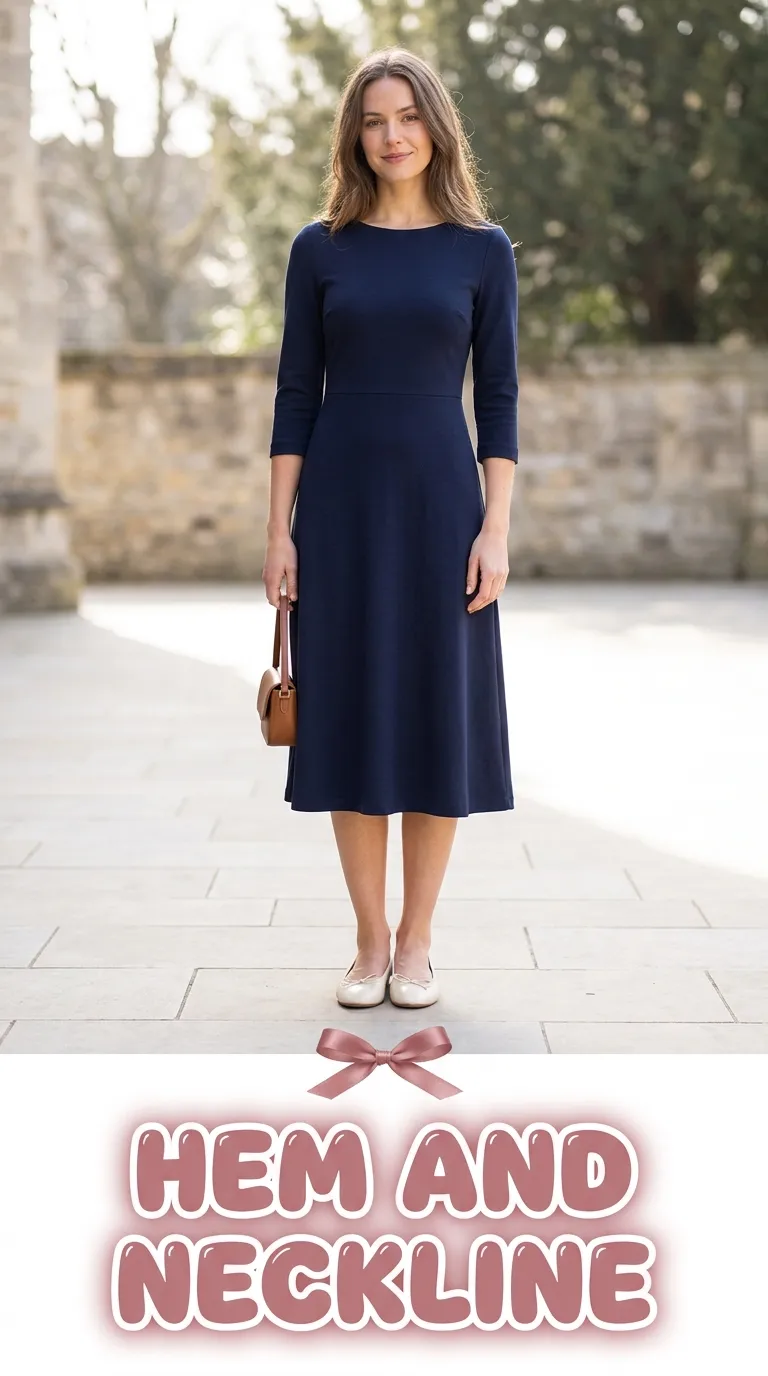
A navy midi dress with three-quarter sleeves and a modest neckline passes all of these without a single adjustment.
How to Do It
- Put the whole outfit on, shoes included
- Sit on a chair and note where the hem lands
- Bend forward as if picking something up and check the neckline in the mirror
- Raise both arms overhead and watch the waistband and sleeves
- Turn and reach forward to see what the back does
Why It Works
Hems ride up and necklines shift as you move, so a standing check only tells half the story. Running through these motions at home means no tugging, no pulling, and no fidgeting once the service starts.
What to Look For
Here is what to check on each part of the outfit.
| Area | What Works | Quick Test |
|---|---|---|
| Hem | At or below the knee | Sit and check where it lands |
| Neckline | Crew, boat, or modest V | Bend forward in the mirror |
| Sleeves | Elbow or three-quarter length | Raise both arms overhead |
| Back | Shoulder blades stay covered | Reach forward and turn |
Common Mistakes to Avoid
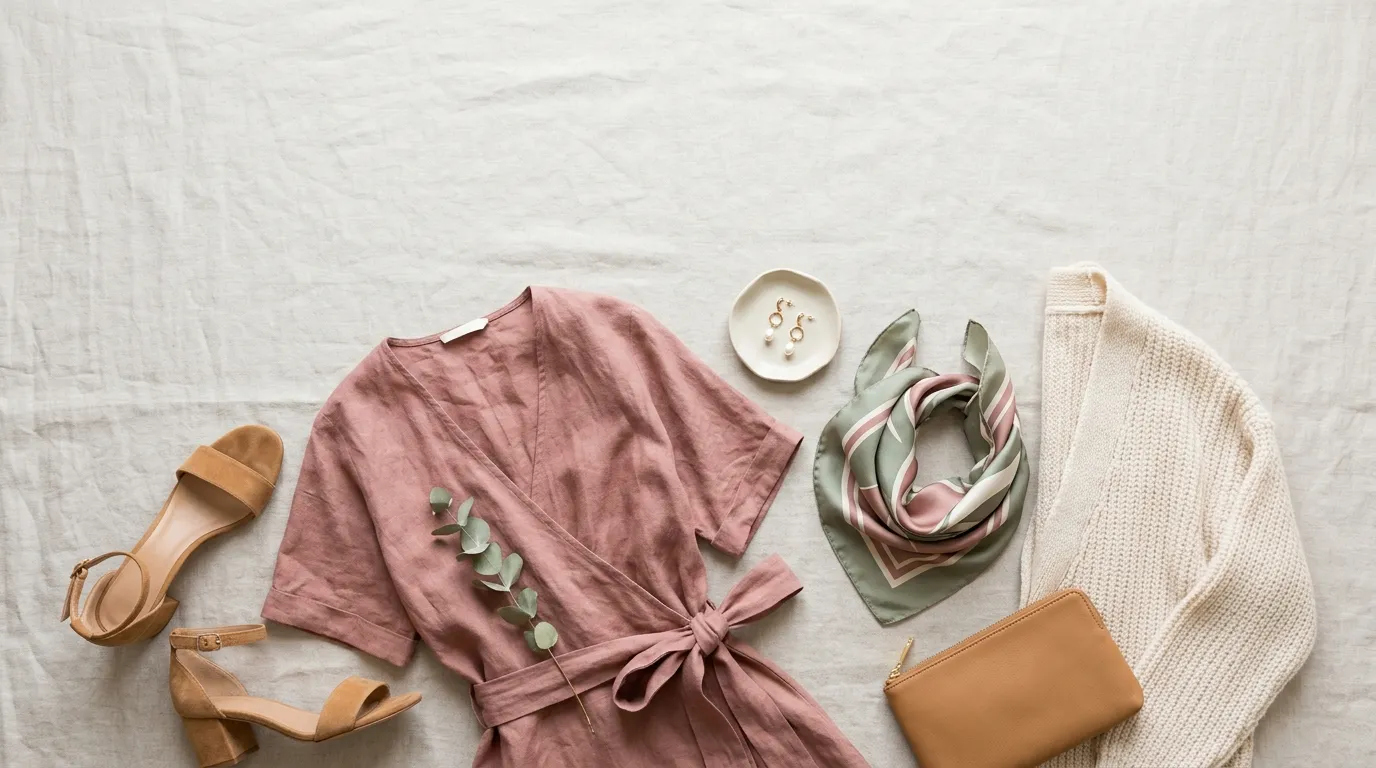
- Wrap dresses that gape when seated (a snap or a camisole underneath fixes this)
- Front slits that open wide in the pew
- Sheer or unlined fabric under bright sanctuary lights
- Tight pencil skirts that ride up when you sit
A Simple Rule to Remember
If you adjust it more than twice during the service, change it before next Sunday.
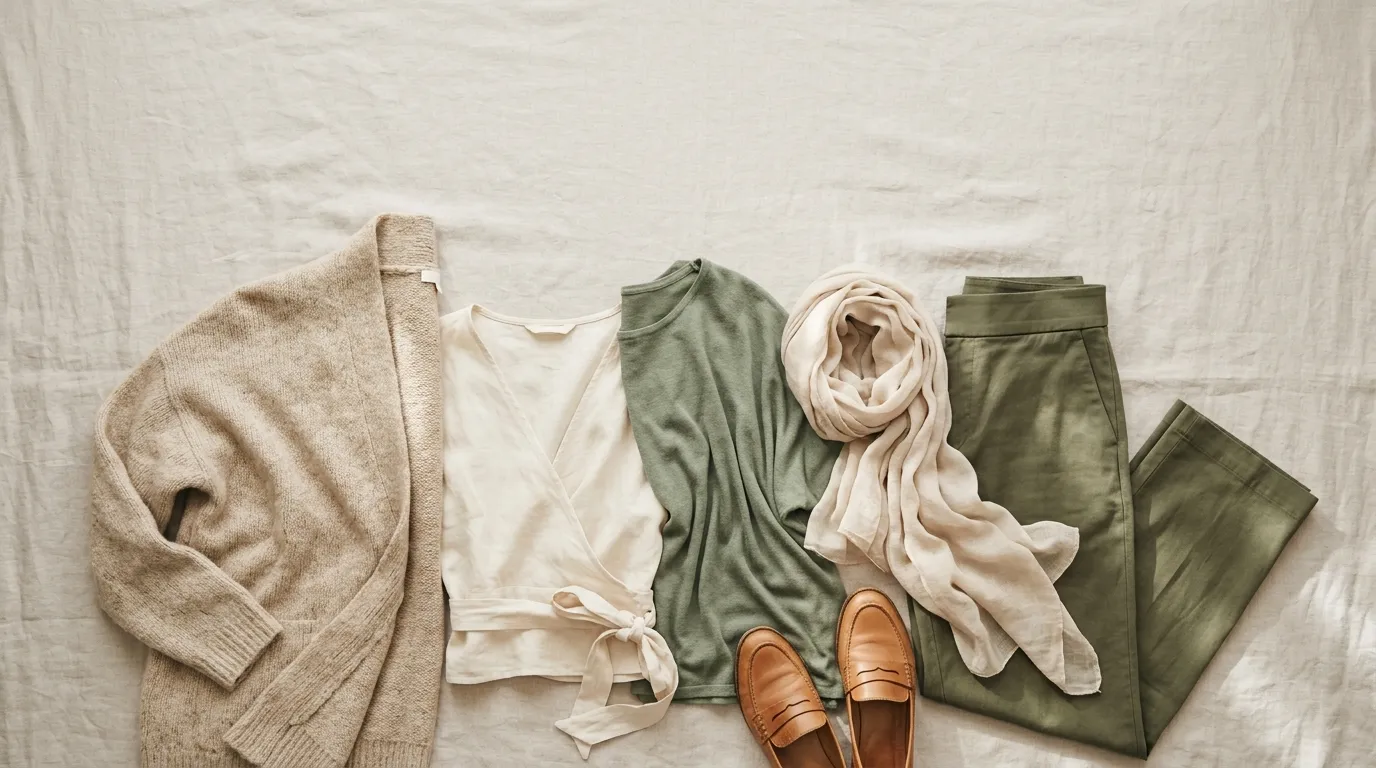
3. Build the Outfit Around a Midi Dress or Skirt
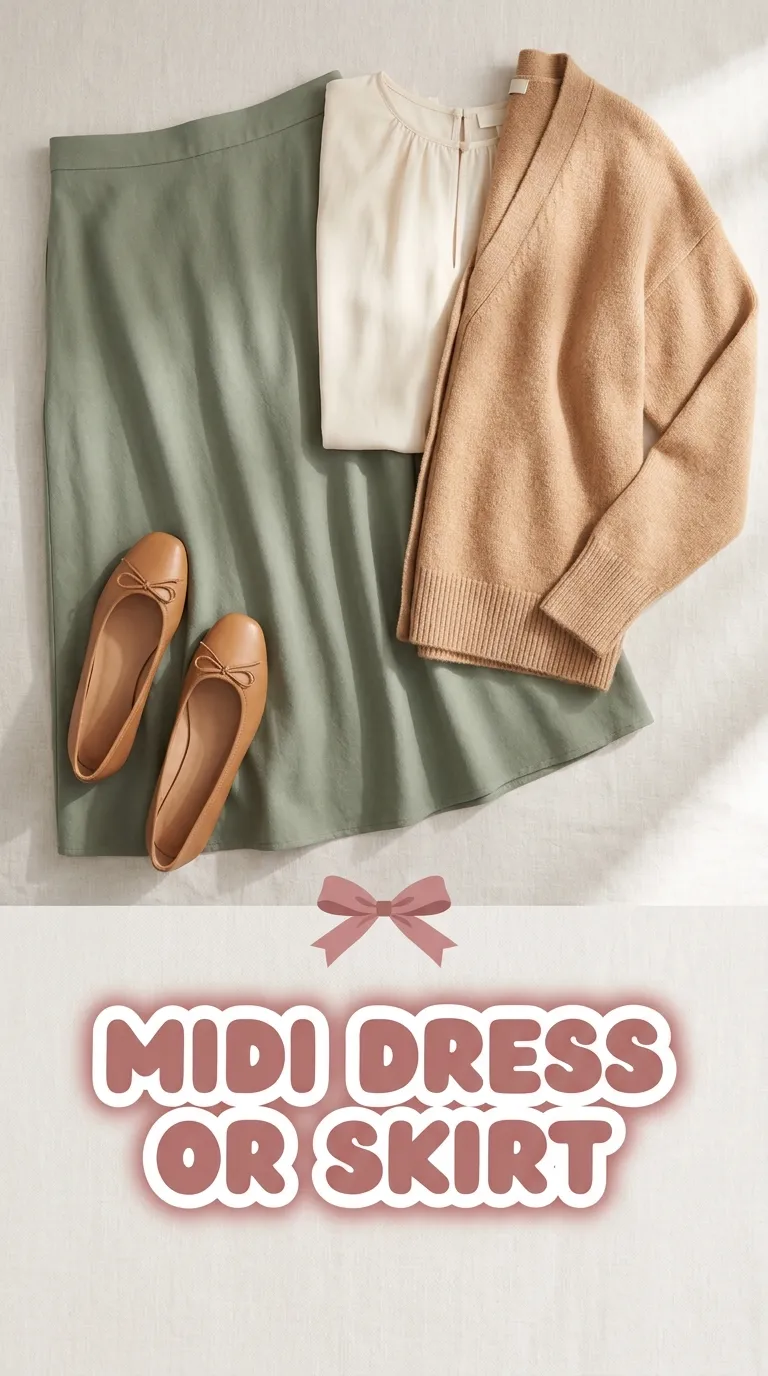
If you want one piece that does most of the work, make it a midi dress or skirt. The length sits below the knee, moves well when you walk, and reads as dressed up without trying hard.
A dress gives you a finished look in one step. A skirt gives you options, because the same one can go with a blouse today and a knit tomorrow.
How to Do It
- Choose a midi dress or skirt in a solid color or a small, quiet print
- Add a soft blouse or fitted knit tucked in or half-tucked at the waist
- Layer a cardigan or lightweight jacket on top
- Finish with flats or a low block heel
Why It Works
A midi length creates a long, continuous line from waist to calf, and a defined waist keeps the shape of the outfit clear. Because the hem already sits below the knee, you skip the sit-down worry from rule 2.
The trade-off is fabric. Very thin skirts can cling or show a slip line, so check the lining and the drape before you commit.
What to Look For
- Hem length between the knee and the mid-calf
- A comfortable waistband that doesn't dig in when you sit
- A lining or a slip underneath when the fabric is light
- Fabric that moves without clinging
Best For
- Regular Sunday services
- Easter and holiday services
- Church lunches and gatherings afterward
- Weddings held in the sanctuary
4. Pick Colors That Feel Polished and Calm
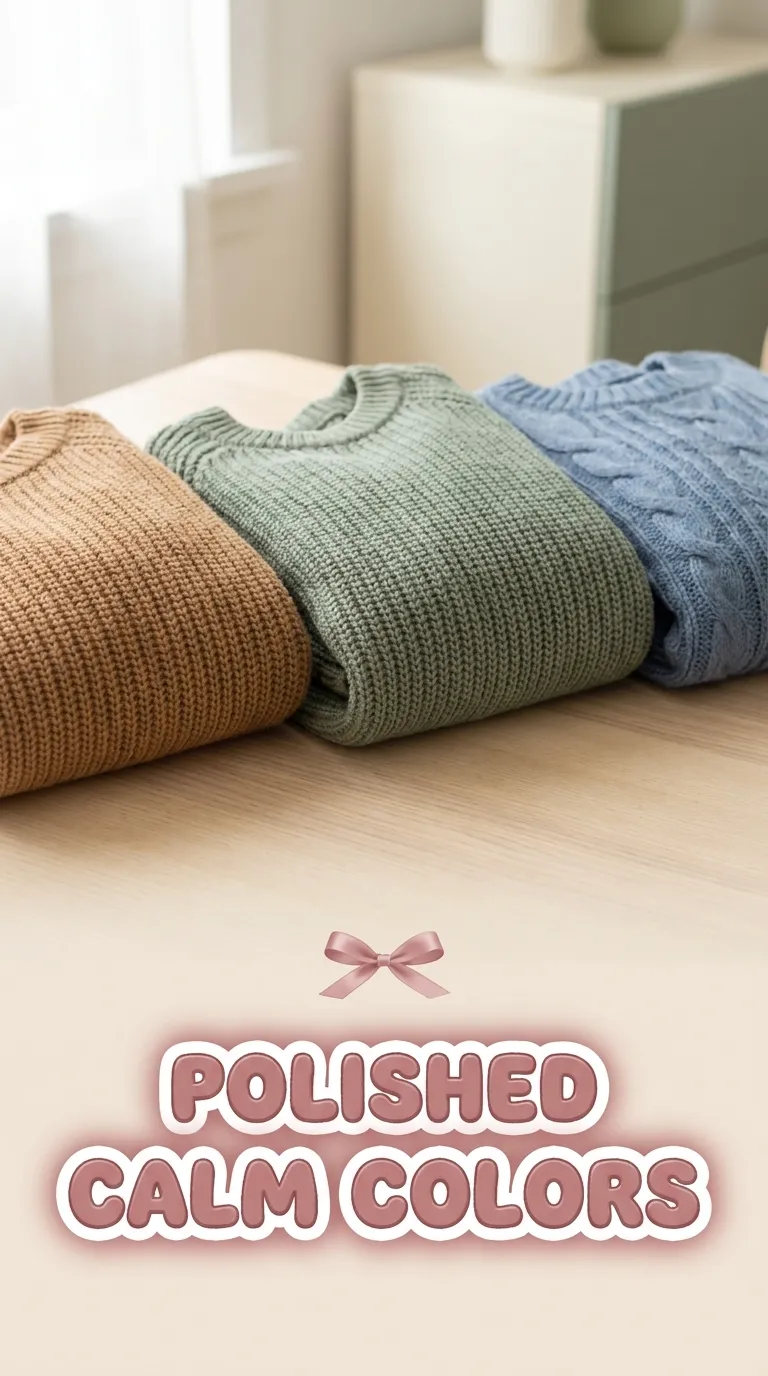
Church outfits tend to look best in colors that feel settled rather than loud. That doesn't mean beige from head to toe. It means choosing shades with a bit of depth and keeping the palette small.
Stick to three colors at most: one main color, one softer neutral, and one accent.
How to Do It
- Pick your main color for the dress, skirt, or trousers
- Add a softer neutral, such as cream, taupe, or soft gray, for the layer
- Bring in one accent through a scarf, a bag, or a blouse
- Hold the top next to your face in daylight before you commit
Why It Works
A small palette makes pieces look intentional and easy to mix. Colors near your face matter most, so testing the top in daylight tells you more than a store mirror does.
What to Look For
Treat these as places to start, then trust what you see in the mirror.
| Undertone | Colors That Work | Colors to Test First |
|---|---|---|
| Warm | Camel, olive, terracotta, cream | Rust, warm plum |
| Cool | Navy, dusty blue, soft gray | Rose, cool lavender |
| Neutral | Sage, taupe, dusty rose | Soft teal, mauve |
Common Mistakes to Avoid
- Three or more competing colors in one outfit
- Large, high-contrast prints that pull attention from the service
- Neon or very glossy shades that feel out of place in a quiet room
- A color you love in the store but never wear again
Best For
- Building a Sunday palette from what you already own
- Shopping for one new piece that goes with everything
- Mixing and matching a small church wardrobe
5. Choose Fabrics That Drape and Resist Wrinkles
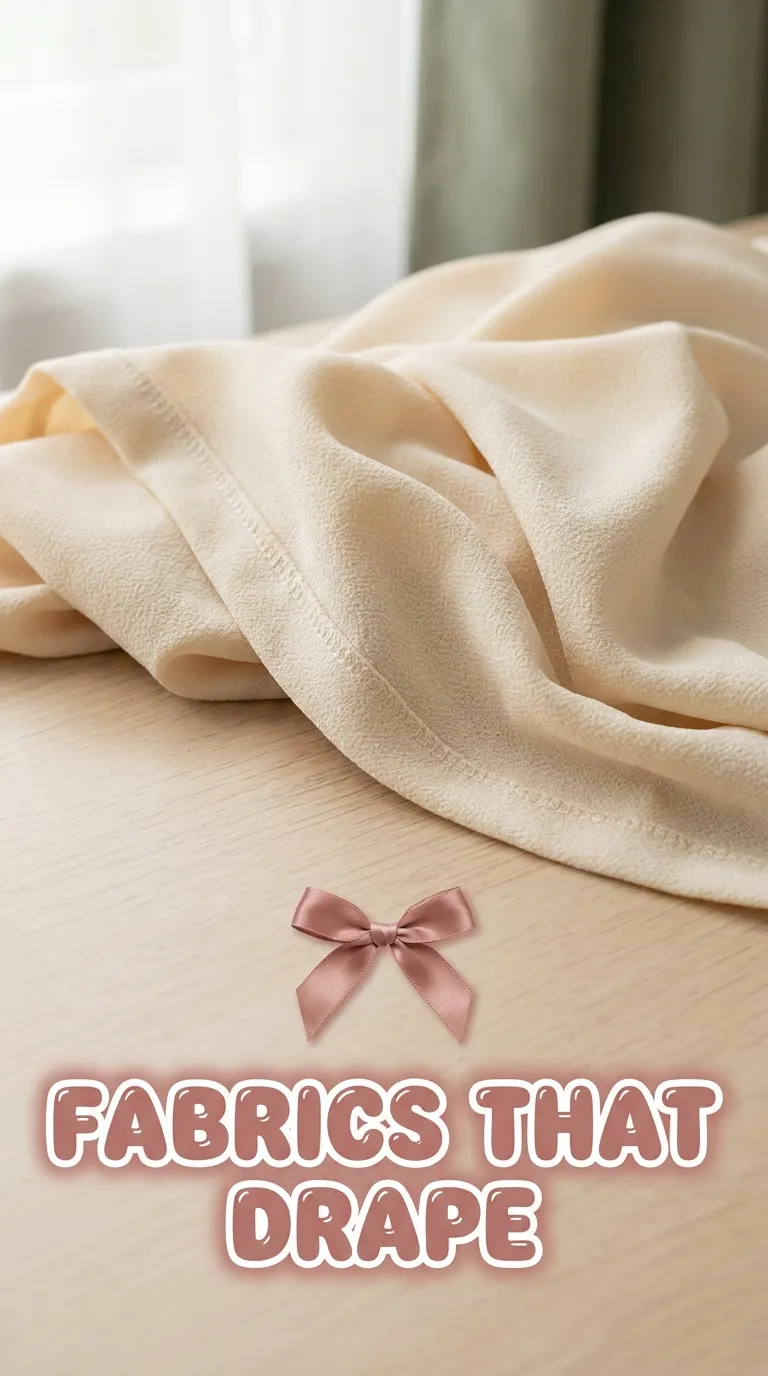
You can have the right length and the right color and still feel off if the fabric fights you. A stiff top bunches in the pew. A thin knit clings. A crisp cotton looks creased after the drive.
Fabric is what separates an outfit that looks fresh at 9 a.m. from one that looks tired at 10.
How to Do It
- Check the care label first, so you know what upkeep it asks for
- Scrunch a corner of the fabric in your hand for a few seconds and let go
- If creases stay, expect them by the end of the service
- Hold it up to the light to see whether it's sheer
- Look for a blend with a little stretch for ease of movement
Why It Works
Fabrics with some weight and drape, such as crepe, ponte knit, jersey, and soft wool blends, fall away from the body instead of clinging. They also recover from sitting, which keeps the outfit looking the same at the end of the morning as at the start.
What to Look For
- A medium weight that isn't see-through
- A lining in skirts and dresses
- A small amount of stretch for sitting and reaching
- A care label you'll actually follow
Common Mistakes to Avoid
- Crisp cotton and linen on a morning when you need to look pressed (they're lovely in summer, but they crease fast)
- Shiny, thin synthetics that cling or build static
- Scratchy knits worn directly against the skin
- Dry-clean-only pieces you won't keep up with
6. Layer for Chilly Sanctuaries and Warm Mornings
Sanctuaries are rarely the same temperature as the parking lot. Air conditioning runs cold, old buildings run drafty, and some services happen outdoors. Layers let you adjust without leaving your seat.

The goal is an outfit that looks complete with the layer on and with it off.

How to Do It
- Start with a base, such as a blouse or dress, that looks finished on its own
- Add a lightweight layer, such as a cardigan, an unstructured blazer, or a wrap
- Wear the layer open, so it frames the outfit instead of covering it
- Keep a scarf or a light wrap in your bag for the coldest rooms
Why It Works
A layer you can remove lets you handle a chilly start and a warm finish without redoing the outfit. A scarf adds warmth around the neck and doubles as an accessory.
The trade-off is bulk: a heavy layer over a fitted sleeve can bunch at the elbow, so choose something lighter than you think you need.
What to Look For
- A layer that looks good both open and closed
- Sleeves that push up without bunching
- A length at the hip or just below it
- A fabric that matches the weight of your base
Best For
- Cold, air-conditioned sanctuaries
- Early morning services
- Outdoor and tent services
- Seasons when the weather changes between home and the pew
A Simple Rule to Remember
If the outfit only works with the layer on, it isn't finished.
7. Finish With Comfortable Shoes and a Quiet Bag
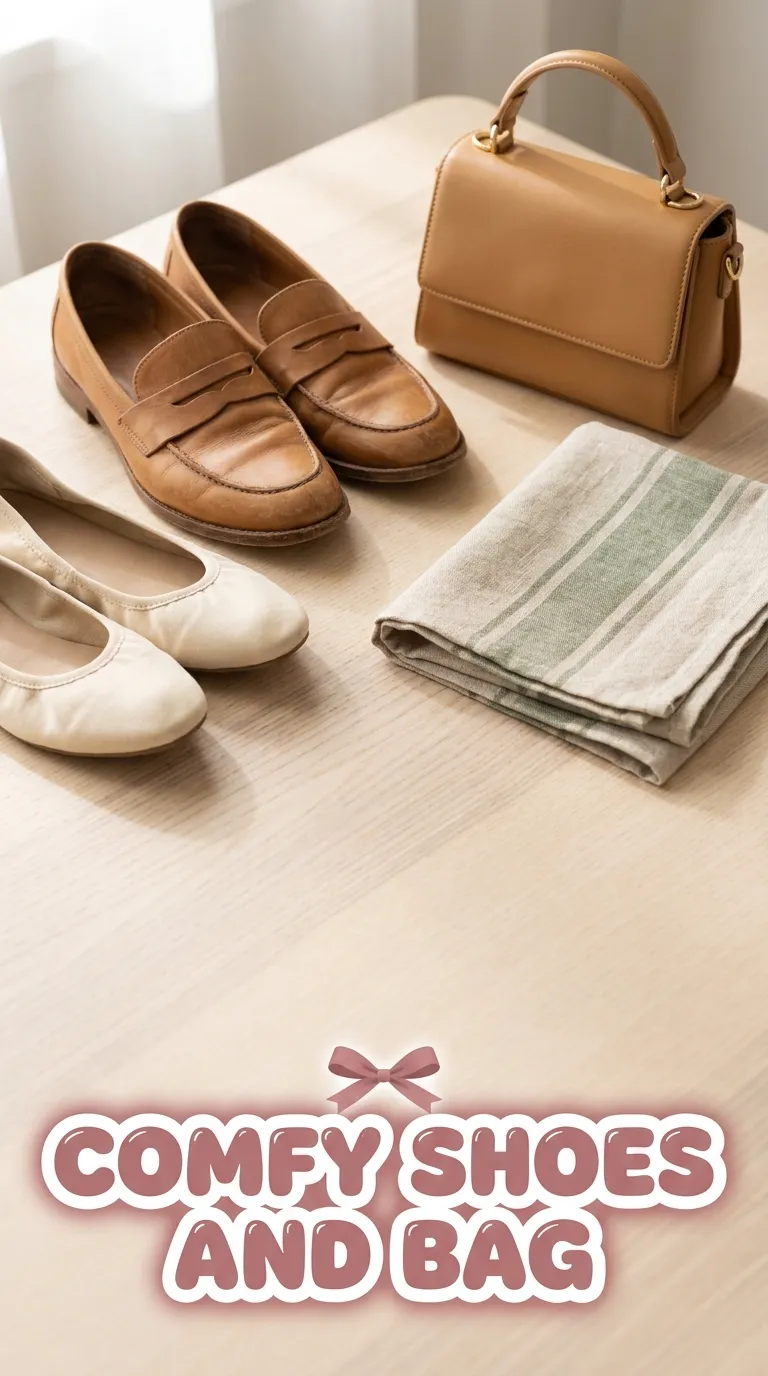
You'll likely spend a good part of the morning on your feet: greeting people at the door, standing for hymns, walking from the parking lot, and maybe lingering over coffee afterward. Shoes decide whether the outfit still feels good at the end.
The bag matters too. A small, closed bag keeps your hands free for a handshake or a hymnal.
How to Do It
- Choose shoes that match the dressiness of the outfit, such as loafers with trousers or flats with a midi dress
- Walk around the house in them for ten minutes before Sunday
- Pick a small structured bag or a slim crossbody that closes securely
- Keep to one simple accessory, such as a scarf or a pair of small earrings
Why It Works
Comfortable shoes let you stay present for the whole service instead of counting the minutes. A quiet bag and a single accessory keep the focus on the outfit as a whole rather than on any one detail.
The trade-off is that very high heels and bulky tote bags both ask for attention. Save them for another occasion.
What to Look For
Look for cushioning, a stable heel, and room in the toe box. Check with your doctor or a podiatrist if you have foot pain.
| Shoe | Best For | Heel or Sole Notes |
|---|---|---|
| Loafer | Trousers and midi skirts | Cushioned sole, secure heel |
| Ballet flat | Dresses and soft skirts | Look for arch support |
| Block heel | Dressier services | 1½ to 2 inches, wide base |
| Ankle boot | Cool-weather services | Low heel, easy to walk in |
Common Mistakes to Avoid
- Wearing brand-new shoes for the first time on Sunday
- Choosing a heel you can't stand in for an hour
- Carrying a large tote that swings and bumps in the pew
- Stacking several accessories on top of a busy outfit
Best For
- Long services with a lot of standing
- Church events that follow the service, such as lunches or choir practice
- Outfits where one finishing touch is all you need
Quick Church Outfit Cheat Sheet
| Rule | Why It Works | Quick Fix |
|---|---|---|
| Start with the dress code | Matches the room | Check photos or ask the office |
| Check hem and neckline | No tugging in the pew | Sit, bend, and reach at home |
| Build around a midi | Covers the knee, moves well | Add a slip if it's thin |
| Pick calm colors | Looks intentional | Limit to three colors |
| Choose drapey fabrics | Resists clinging and creases | Scrunch test before buying |
| Layer smart | Handles temperature swings | Keep a light wrap in your bag |
| Finish with comfort | Stays comfortable all morning | Break in shoes before Sunday |
The Principles Behind These Rules
Respect Comes From Care, Not Strictness
Dressing well for church isn't about being formal for its own sake. It's about showing you put thought into the morning, and that can look like a soft cardigan and clean flats as much as a suit.
Comfort Lets You Focus on the Service
Every rule above comes back to the same goal: an outfit you don't have to think about. When nothing pulls, slips, or pinches, your attention goes where you want it.

One Polished Piece Anchors the Outfit
A well-cut midi skirt, a structured bag, or a crisp blazer can make a simple outfit look finished. Choose one anchor and keep the rest quiet.
Repeat Formulas Save Sunday Mornings
A reliable formula, such as midi skirt + blouse + cardigan + flats, means you're never starting from scratch. Swap the colors and the layer, and the same outfit shape works for weeks.
Common Mistakes Worth Skipping
Choosing Looks You Can't Sit Down In
An outfit that works for a photo may not work for a pew. Plan for the whole morning, not just the walk through the door.
Skipping the Mirror Test
Trying something on once, standing still, doesn't show how it moves. Give any new piece a full sit, bend, and reach check before the day you wear it.
Overdoing Accessories
Bracelets that clink and strong perfume can distract the people around you in a quiet room. Keep one finishing touch and let the outfit speak for itself.
Final Tips for Success
Decide What to Wear to Church the Night Before
Lay out the outfit, shoes, and bag the evening before, and do the sit and bend check then. If something needs a quick press, a lint roll, or a missing button, you'll have time to fix it.
Plan Around the Weather and the Season
What works depends on where you live. In hot climates, reach for a lightweight dress with a wrap for the air conditioning. In cold ones, choose a wool blend layer and closed shoes you can walk in safely.
Wardrobe Basics Worth Owning
- A midi dress in a solid, calm color
- A midi skirt in a drapey fabric
- Two soft blouses in neutral shades
- A cardigan or unstructured blazer
- Straight-leg trousers
- Loafers or ballet flats
- A small structured bag
- A scarf that works as a layer and an accessory
Dress for the Occasion, Not Just the Calendar
Easter, Christmas Eve, baptisms, weddings, and funerals each have their own tone. For weddings, avoid white and bold statement colors. For funerals, choose quiet, darker shades. When in doubt, ask the family or the church office.
Conclusion
Knowing what to wear to church doesn't mean buying anything new. It means choosing pieces that fit the room, stay comfortable, and look like you.
Start with the dress code, run the sit and bend test, and build around a midi length in calm colors and drapey fabric. Add a layer for the temperature swings, finish with shoes you can stand in, and keep the accessories quiet.
Do that once, and you'll have a formula you can repeat for years.
Save this guide for the next time you're standing in front of your closet on a Sunday morning.
Comments
✎ Write a commentCommunity Guidelines
We love hearing what you think. Please keep comments about the article itself, stay kind and helpful to other readers, and leave out personal details or links. Every comment is checked before it appears.